
Guide
Knowing When Repair Stops Making Sense
A look at when a repair stops making sense for Arlington Heights homes, most built between the late 1930s and 2009, and how cold-climate wear changes the math.
Local detail
How Local Conditions Play In
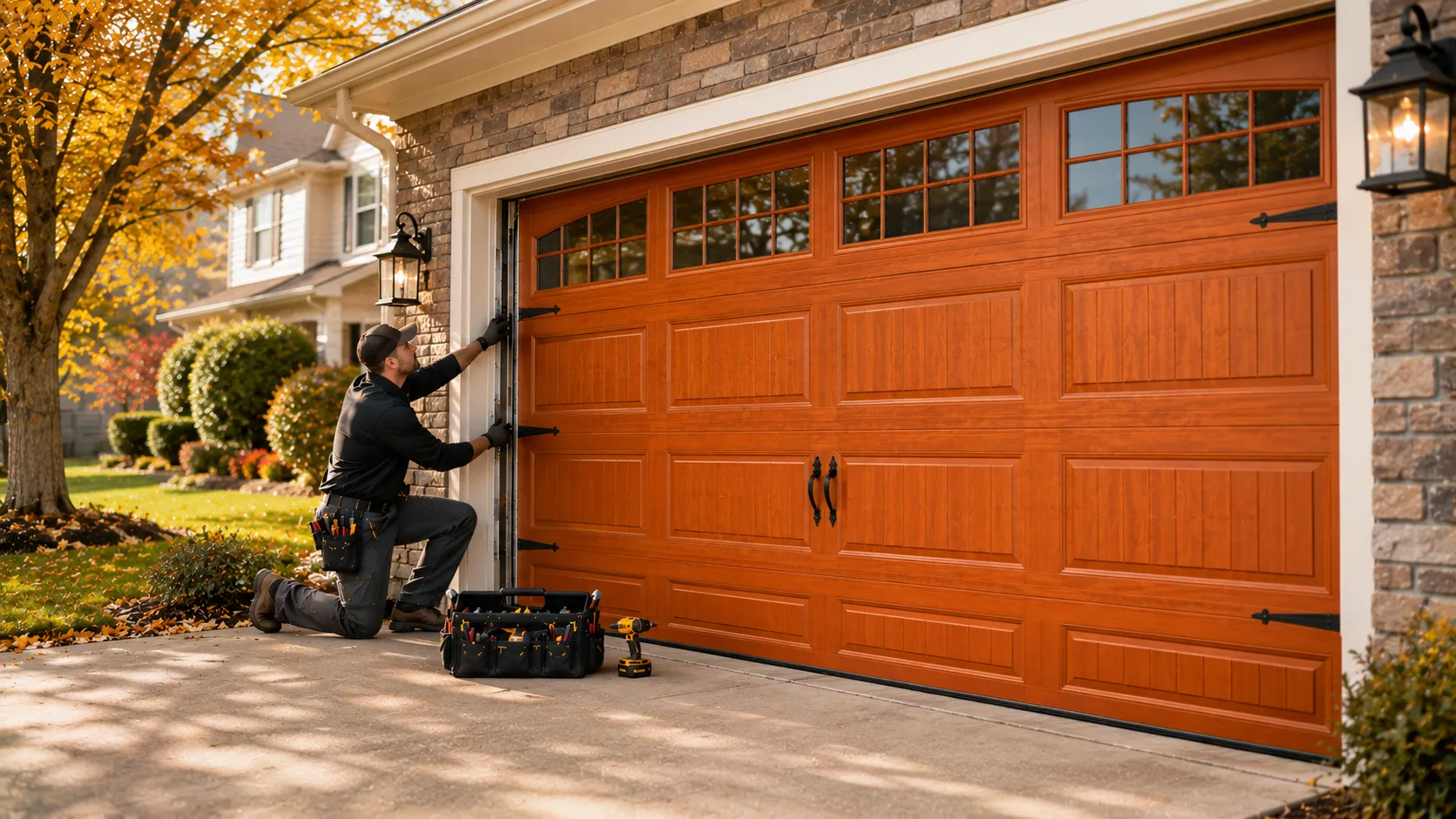
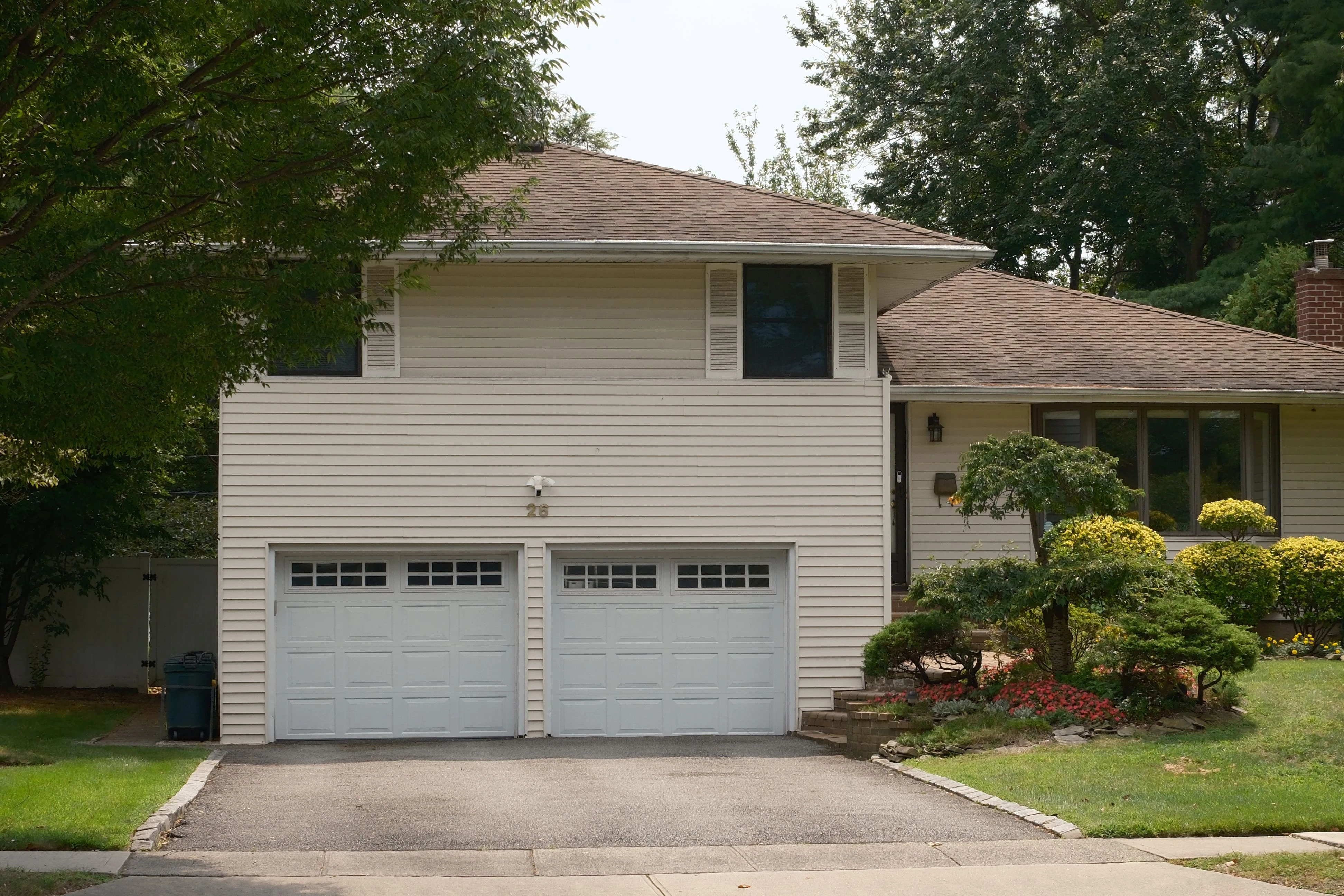
Arlington Heights sits in a cold-severe climate band, and that matters more to a garage door than most homeowners realize. Steel contracts in deep cold, torsion springs lose a little tension every freeze-thaw cycle, and nylon rollers that were fine in August start binding in January. Houses here were built anywhere from 1938 to 2009, with the median landing around 1977, which means a lot of doors and openers are running on hardware sized for a different era of springs and cables.
A door installed when the house was new in the 1960s or 70s wasn't engineered with today's insulation standards or opener torque in mind. When a repair call comes in during a cold stretch, we're not just fixing what broke - we're usually looking at a system that was already working harder than it should, and the cold just found the weak point first. That's the backdrop for every repair-or-replace call in this town: not just what's broken today, but what era of door you're dealing with and how many more winters it has left in it.
The area
When It Stops Being a DIY Job
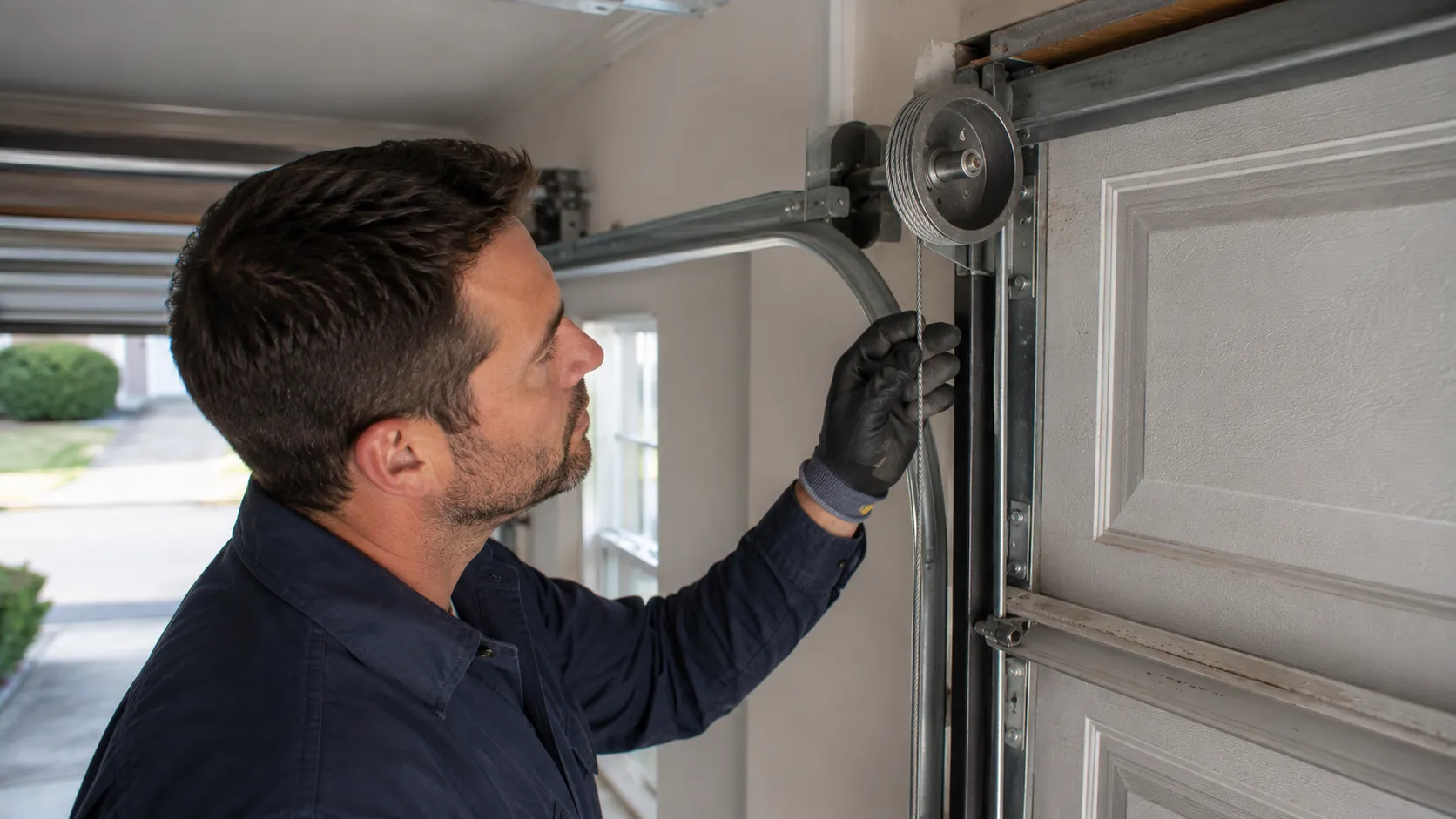
A frayed cable or a spring that's lost its wind on a door installed decades ago isn't a job for a Saturday with a socket wrench. Torsion springs on older Arlington Heights doors were often sized to hardware that's since been discontinued, and pulling the wrong replacement spring onto an old shaft can crack it or leave the door unbalanced in a way that strains the opener motor. If your door is stiff, slow, or making a grinding sound when it's cold outside, that's usually a sign the spring or rollers are already compensating for wear - not a sign to grab a ladder.
We draw a hard line at springs, cables, and anything involving the torsion bar under tension; that part of the job stays with a trained tech regardless of how simple it looks. Anything held under that kind of load can put someone in the ER in a fraction of a second, and a door that's 40-plus years old rarely fails cleanly. If you're not sure whether what you're looking at is a spring problem or an opener problem, that uncertainty itself is the signal to call rather than guess.
What we find
Doing Nothing For Now
Waiting out a bad spring or a worn cable through an Illinois winter is the option that costs the most in the end. Cold makes steel brittle and lubricant thick, so a spring that's already stressed is more likely to snap on a sub-zero morning than in July - usually right when you're trying to leave for work. A door left unbalanced also puts extra load on the opener, and openers matched to houses built in the 1960s and 70s often weren't sized for today's heavier insulated panels if a previous owner upgraded the door without upgrading the drive. We won't tell you every squeak needs an immediate call.
A door that opens a little slower than it used to, or has a minor rattle on one track, can often wait for a scheduled visit rather than an emergency one. But a door that's stopped moving evenly, or where you can see a gap or twist in the spring coil, isn't something to leave for spring. That's not urgency for its own sake - it's just how cold-climate hardware fails.
How we work
What Is Going On
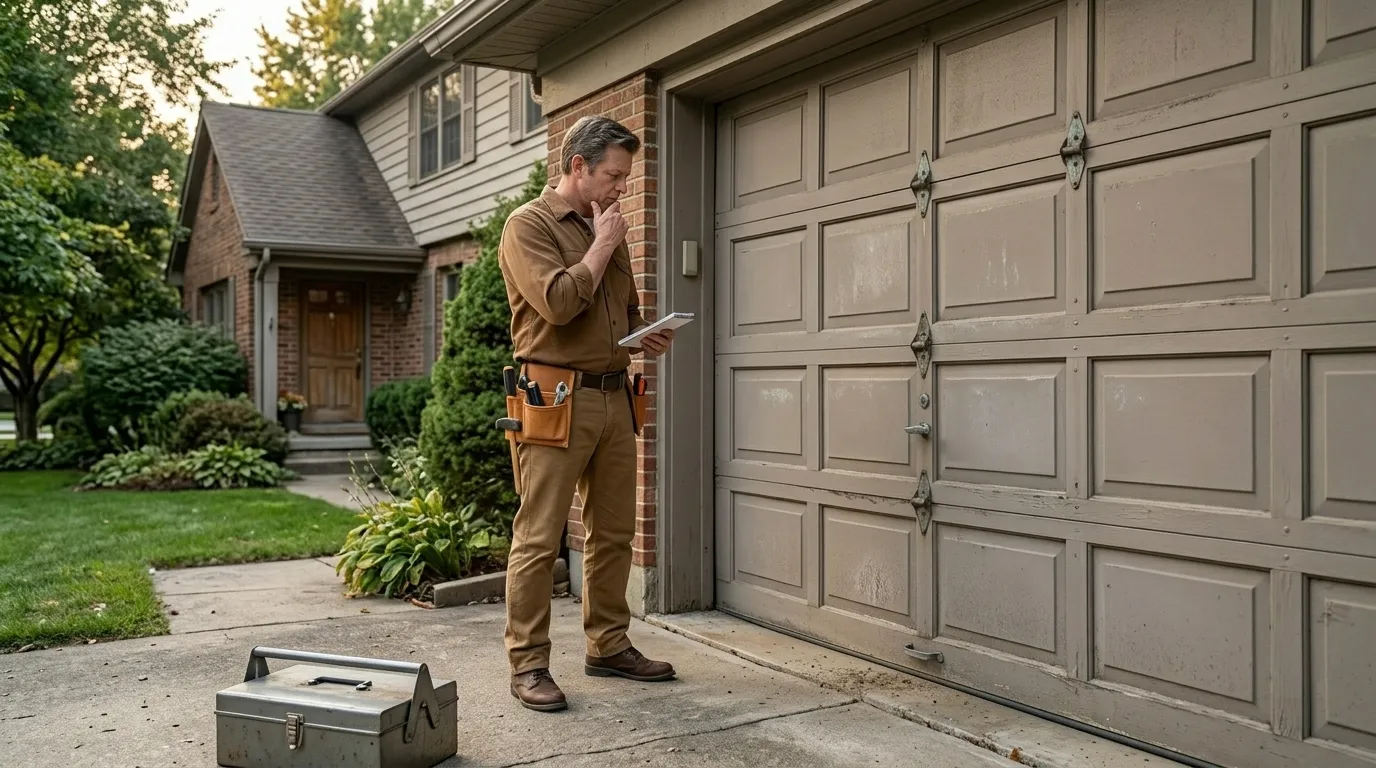
Most of the repair calls we see in Arlington Heights trace back to age catching up with hardware, not a single dramatic failure. With housing here built between 1938 and 2009 and a lot of it dating to the 1960s and 70s stock common across this part of the region, plenty of doors are on their second or third opener but still running original tracks or a spring system replaced once, years ago, with whatever matched at the time. That mismatch is often the real story behind a noisy door or one that reverses on its own.
We're honest about the limit here: if a torsion spring has failed on a door old enough that the track and drum are also worn, patching just the spring is a short-term fix, and we'll tell you that instead of quoting a spring-only repair we don't believe will hold. Given household incomes in the area, a lot of owners choose to replace rather than keep chasing individual parts once two or more systems are failing at once - but that's a call we make with you, not for you, after we've actually looked at the door.
Questions
Common questions
How does cold weather affect an older garage door in Arlington Heights?
Steel and old lubricant both stiffen in the cold, so a torsion spring that's already lost tension is more likely to fail on a freezing morning than in warm weather. On houses built decades ago, that stress lands on hardware that's had more years to wear, which is why winter is when a lot of long-deferred repairs finally show themselves.
My door is from the 1970s - is it worth repairing?
It depends on what's actually wearing out. A single failed spring on an otherwise sound track and drum is usually worth fixing. If the spring, rollers, and track are all showing age together, we'll tell you honestly if a repair is just delaying a bigger job rather than solving it.
Can I replace a torsion spring myself to save money?
We don't recommend it, especially on older hardware. A wound torsion spring holds enough force to cause serious injury if it releases wrong, and older shafts and drums aren't always sized to match new off-the-shelf springs. This is one job we always keep in a tech's hands.
How do I know if it's the opener or the door itself?
If the door feels heavy or uneven when you lift it by hand with the opener disconnected, the problem is in the door's springs or track, not the opener. If it lifts smoothly by hand but the opener struggles, the motor or gearing is more likely the issue.
Ready when you are
Need a garage door sorted in Arlington Heights?
Arlington Heights Garage Door Pros repairs and installs garage doors, springs and openers in Arlington Heights, IL and the surrounding area.