Algonquin, Arlington Heights IL
Garage Door Service for Algonquin Homes
Serving Algonquin homes built mostly around 1994, our crew from Arlington Heights knows the openers and torsion springs that come with this era of construction.
Local detail
This Area's Housing
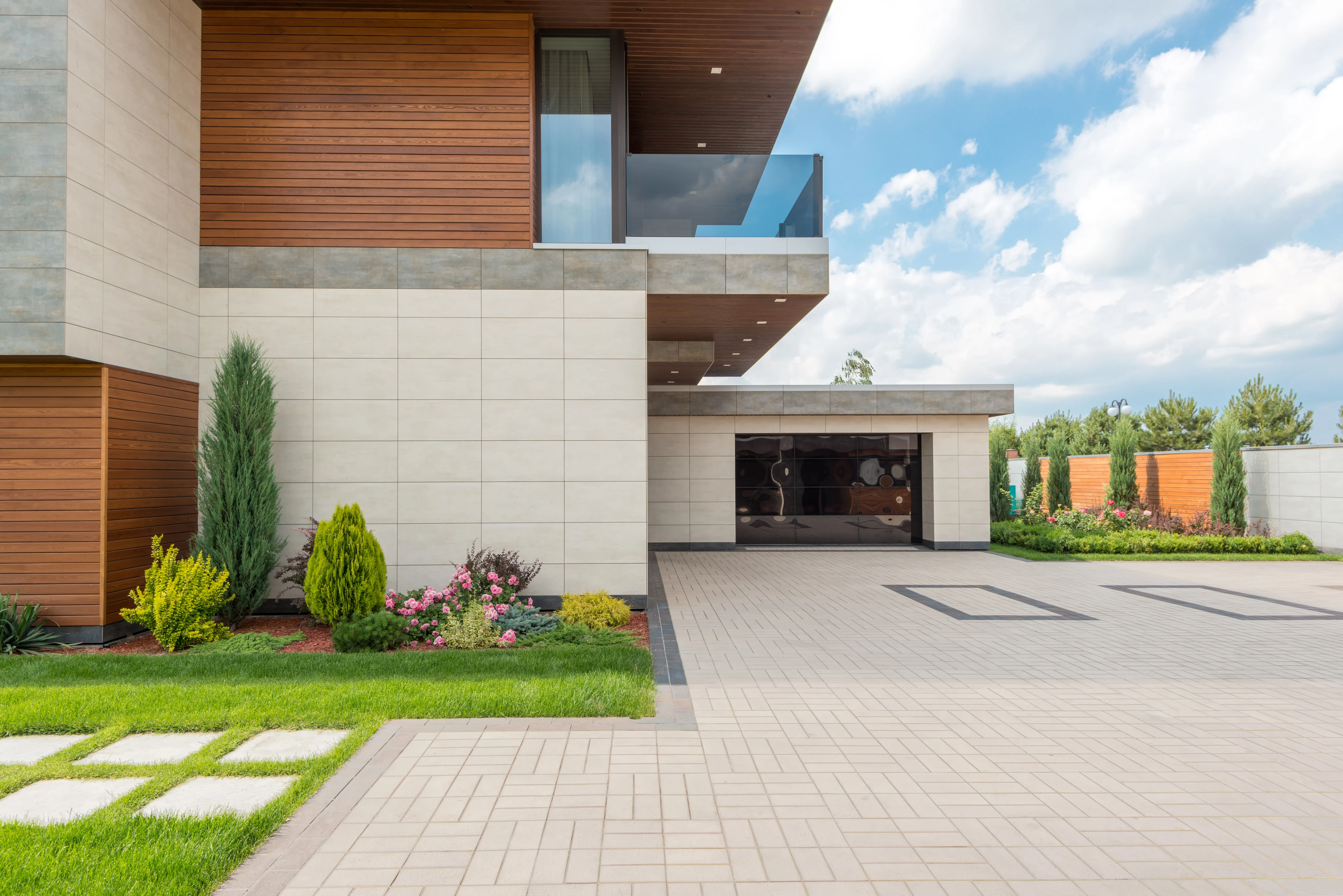
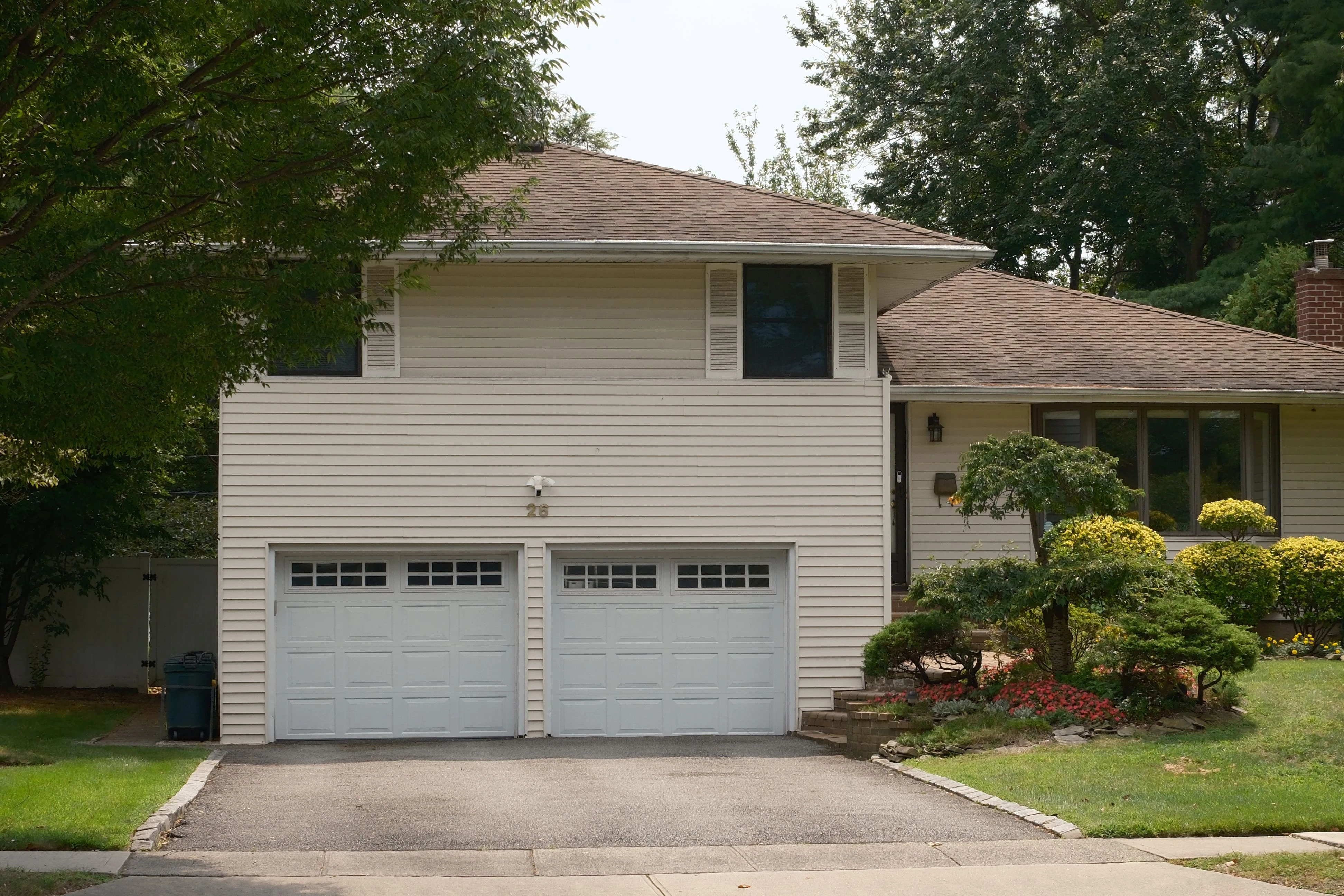
Algonquin's housing stock centers on 1994, which puts it a couple decades newer than a lot of the rest of the territory we cover out of Arlington Heights, where plenty of houses still date to the 1960s and 70s. With roughly 10,914 households here, this is a newer-build pocket, and it shows in the garage doors: steel sectional doors with foam insulation, torsion springs sized for wider two-car openings, and openers that came standard with keypads instead of being bolted on later. Median household income here runs $131,753, well above the $109,454 median across our wider service area, and that tends to track with more insulated doors and heavier-duty openers going in from the start rather than being added on.
None of that means these doors don't fail. It means when they do, the failure usually isn't 'this door is fifty years old' - it's a specific part reaching the end of its rated cycle count at roughly the same time across a lot of houses built in the same few years.
The area
Common Jobs Here
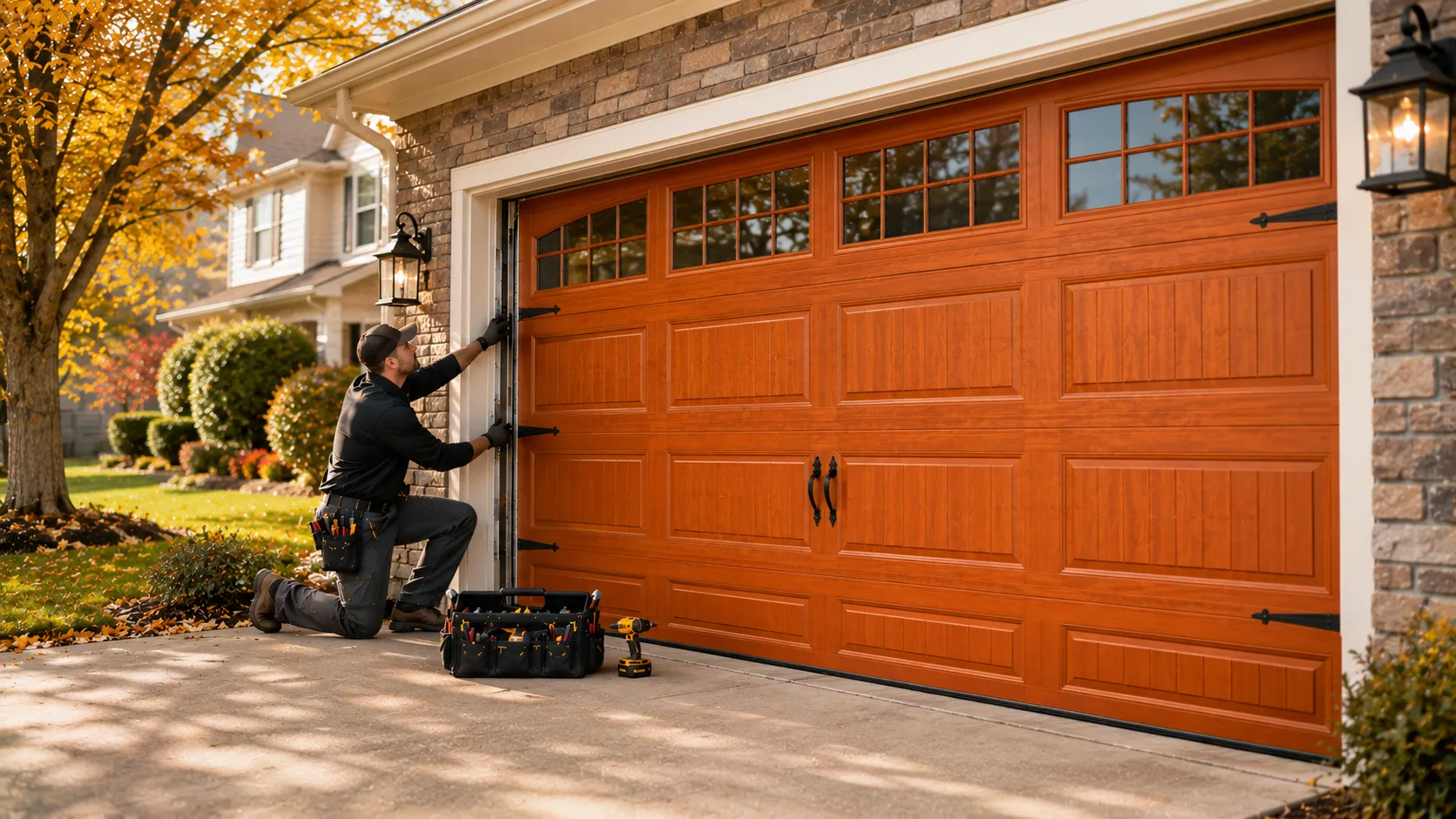
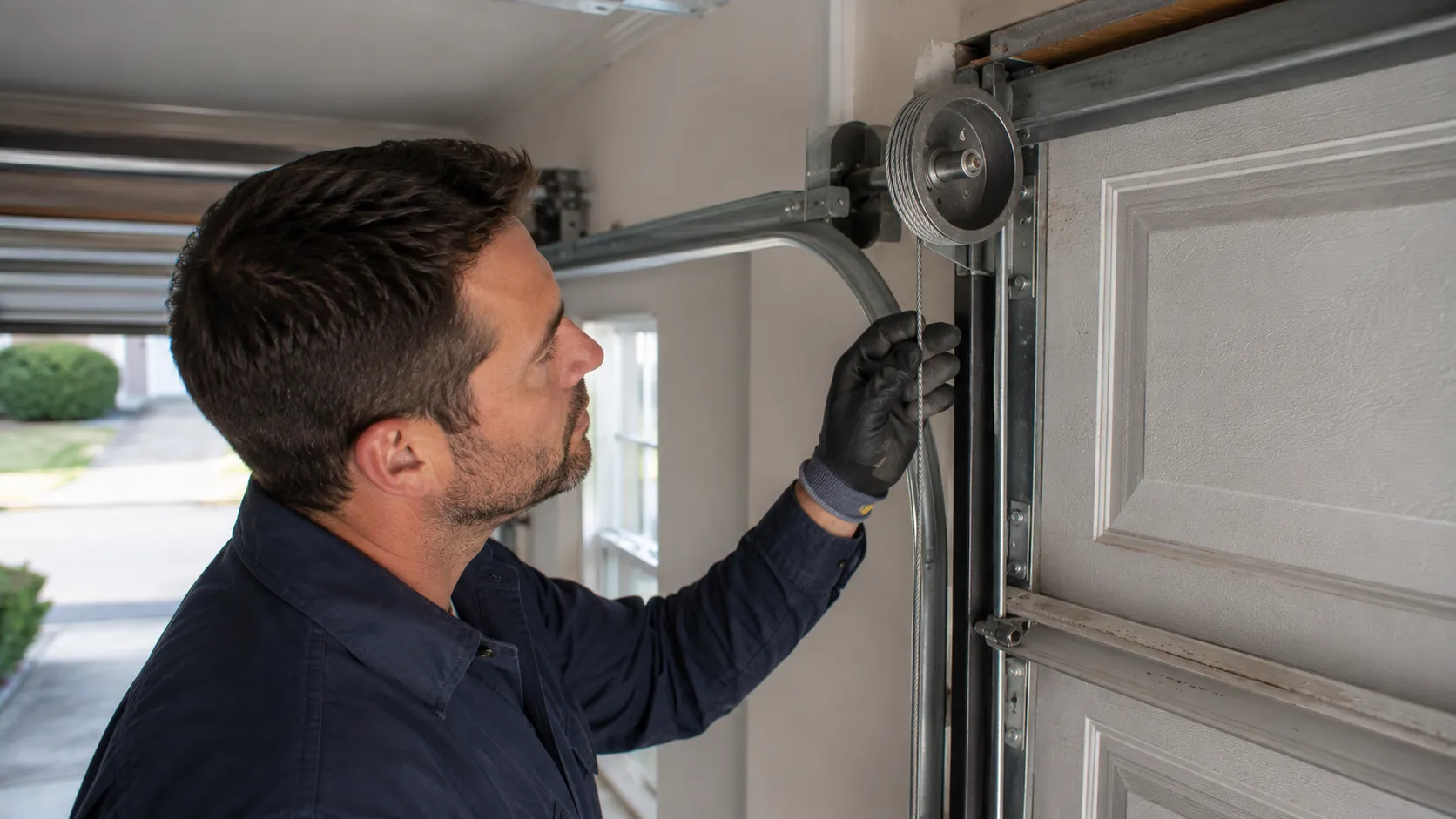
Openers installed when these houses went up in the early-to-mid 1990s are now past 25-30 years old, and that's squarely into circuit board failure and drive gear wear territory. We see a lot of calls for openers that run the motor but the door doesn't move, or that respond to the wall button but not the remote - usually a logic board or a stripped gear, not the whole unit. Torsion springs on doors from this build era are also reaching the far end of their cycle life, especially on the double-wide openings common in newer subdivisions.
Rollers on the original steel tracks tend to go next, since a 1990s door running on its factory rollers has usually put a lot of open-close cycles through worn steel before anyone notices the noise. We also get called for keypads and remotes that stopped syncing - a fifteen-dollar part fix, not a new opener, in most cases.
What we find
What Neighbours Usually Call About
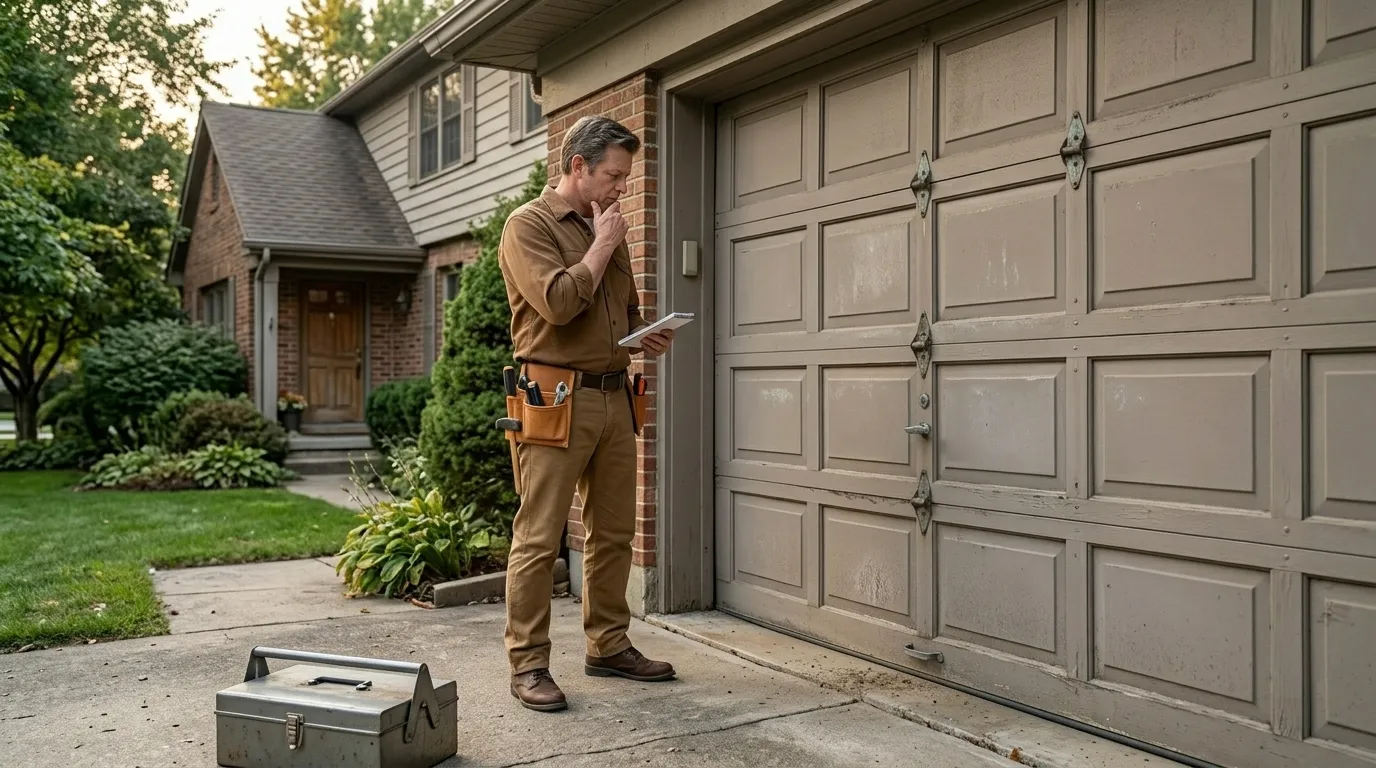
The most common call is a remote or keypad that quit working while the wall button still opens the door fine - that's almost always the opener's receiver or the remote's battery, not the whole unit. Second most common: a door that reverses partway up or down, which on a house this age is often a sensor knocked out of alignment rather than a real safety fault. We also hear from people whose insulated steel door has a dent or a cracked panel seam near the bottom section, which is normal wear on doors that have been through a couple decades of Midwest winters.
Less often, but regularly enough to mention: a torsion spring finally letting go, usually announced by a loud bang and a door that won't budge. None of these are dramatic, and most get fixed in one visit.
How we work
What the Housing Means for Your Door
Building an insulated steel door with a foam core was standard by the time most of Algonquin went up, which matters here because the region sits in a severe cold climate band - uninsulated doors from an older era struggle more with condensation and warping than the doors typical of this build year. That's a point in this area's favor. The tradeoff is that a 1990s-era opener chain-drive unit, even a good one, is well into the range where the motor capacitor or logic board is the likely next failure, not something to keep patching indefinitely.
Being honest about that: if your opener is original to the house, a repair might buy a year or two, but at some point replacing it costs less than a string of service calls. We don't stock every discontinued circuit board for openers from this era, so on some jobs we'll tell you straight that replacement is the faster and cheaper path.
 86 areas covered
Service areas
Other areas we cover near Algonquin
Questions
Common questions
Do you have a location in Algonquin?
No - we run out of Arlington Heights, about 18 miles away, and travel to Algonquin for jobs. We don't claim a local depot or promise a specific response window here; we just tell you honestly when we can get out.
My garage door opener is original to the house - is it worth fixing?
Depends on the fault. If it's a remote, keypad, or sensor issue, that's usually a cheap fix. If the logic board or motor is going on an opener installed when the house was built in the 1990s, replacement is often cheaper than chasing discontinued parts.
Why did my spring break with no warning?
Torsion springs fail by cycle count, not age alone, so a spring sized for a house built in this era can run fine for years and then go all at once. The bang you hear is the spring, not the door itself failing.
Do you carry parts for older opener models?
Not always. Some circuit boards and gear kits for openers from the 1990s are out of production, and in those cases we'll say so directly rather than stall a job looking for a discontinued part.
Ready when you are
Need a garage door sorted in Arlington Heights?
Arlington Heights Garage Door Pros repairs and installs garage doors, springs and openers in Arlington Heights, IL and the surrounding area.