
Elmwood Park, Arlington Heights IL
Garage Door Service for Elmwood Park's 1950s Housing Stock
Arlington Heights Garage Door Pros services Elmwood Park's 1950s and 60s homes with spring, opener, and panel repair, traveling 15 miles from our shop.
Local detail
This Area's Housing
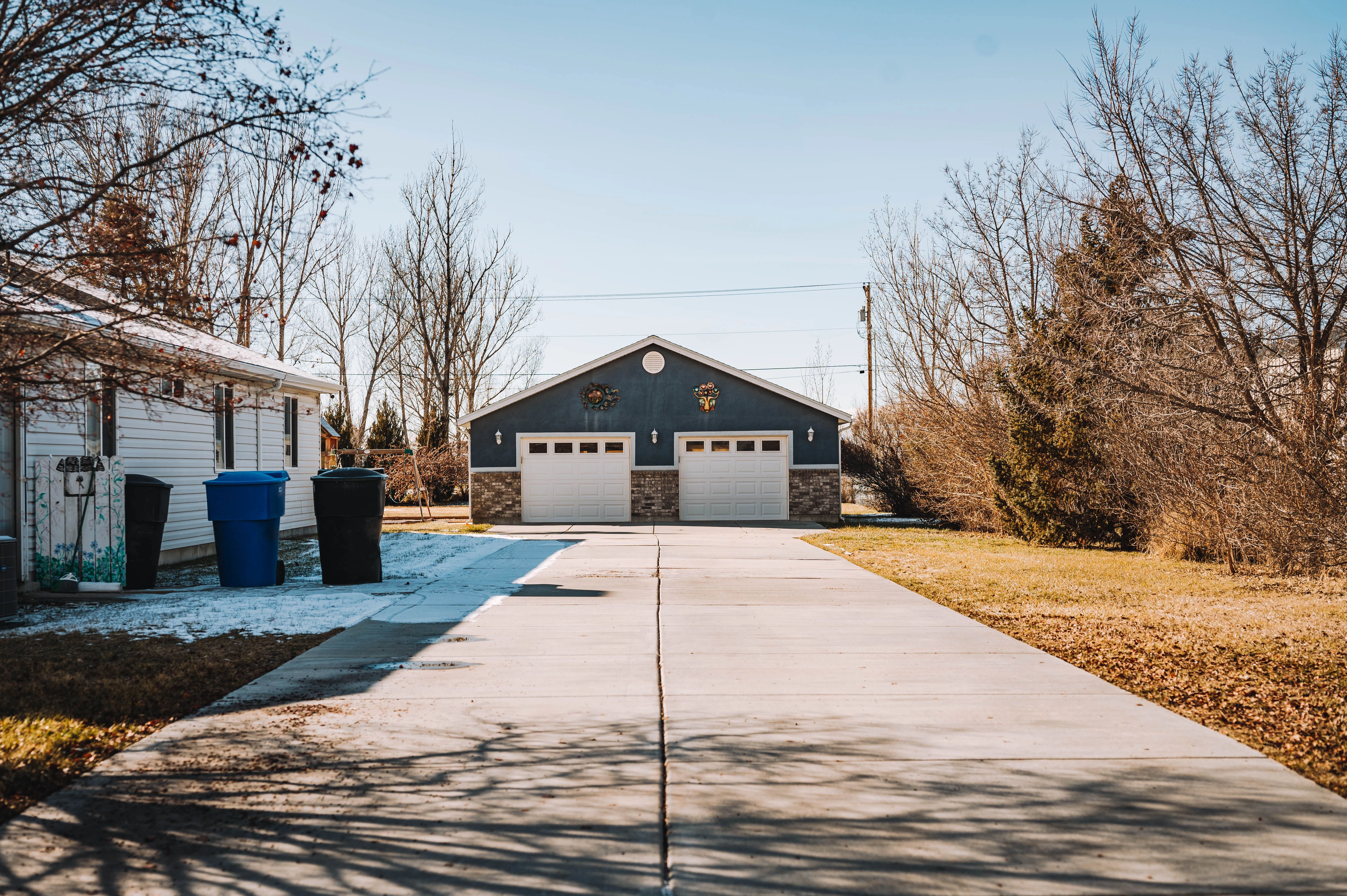
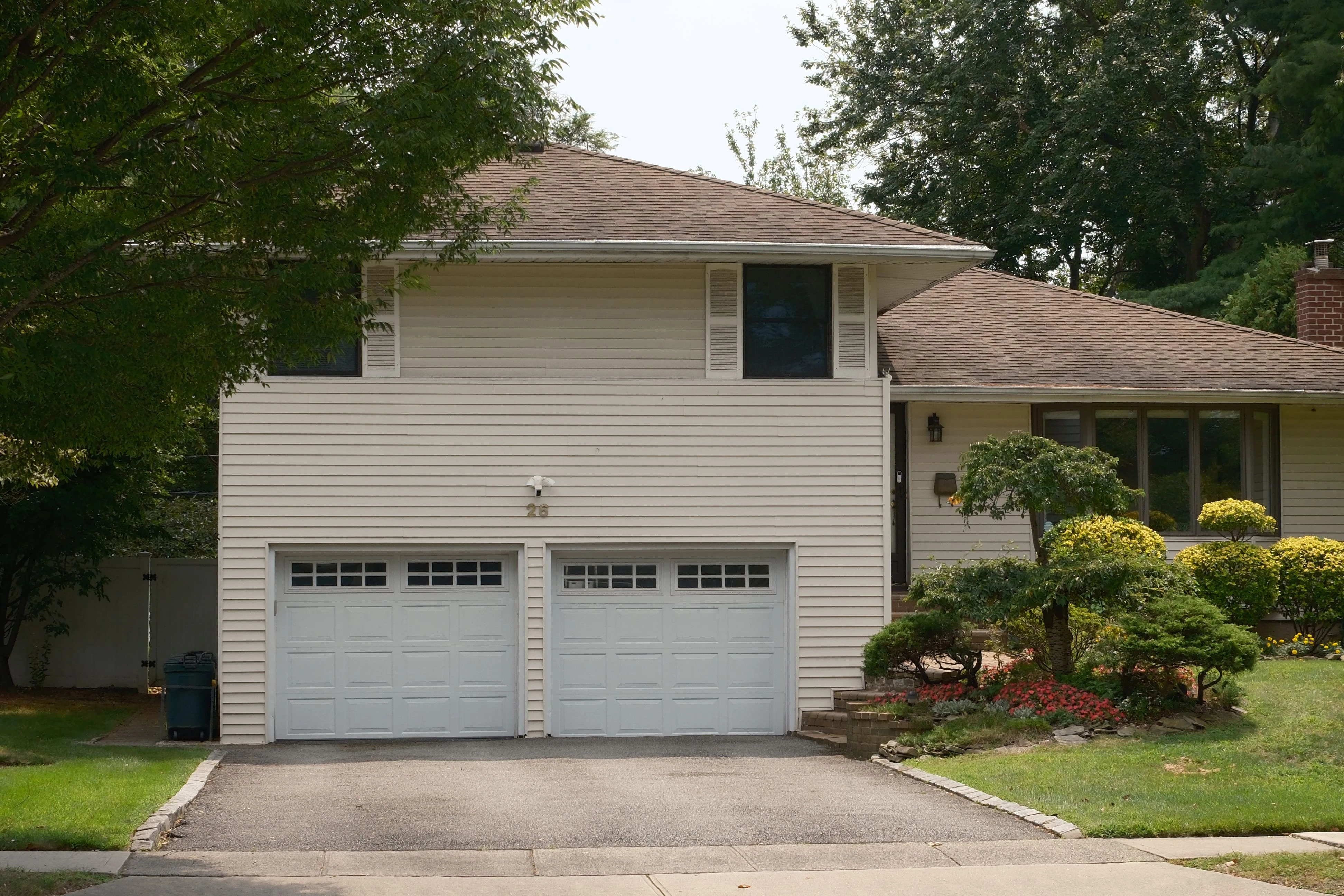
Elmwood Park's homes have a median build year of 1956, which puts most of the neighborhood a good two decades ahead of the broader service area's median of 1977. Across the wider region, housing spans 1938 to 2009 and mostly clusters in 1960s and 70s construction. Elmwood Park sits on the older end of that range, and it shows in the garages: narrower openings, lower headroom, and original hardware that's outlasted a few owners.
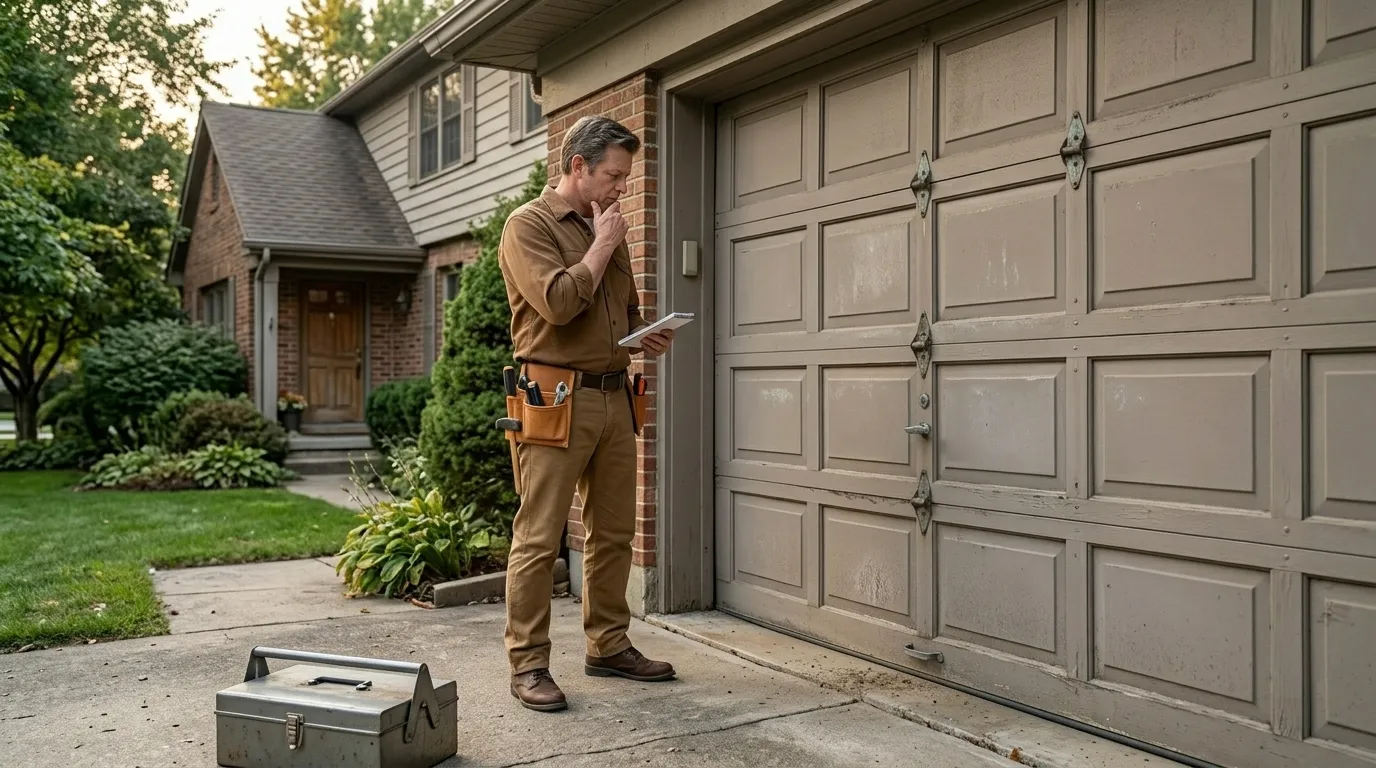
With 9,094 households in the area and a median income of $84,121, this is a denser, more modest pocket than the region overall, where the median household income runs $109,454 across 454,992 households. That difference matters for garage doors too - fewer of these homes have had a full door replacement, and more are running repaired or patched-up originals from decades back. When we get a call from this area, we expect older steel or wood panel doors, not the newer insulated models you'd find in a subdivision built in the 2000s.
The area
Common Jobs Here
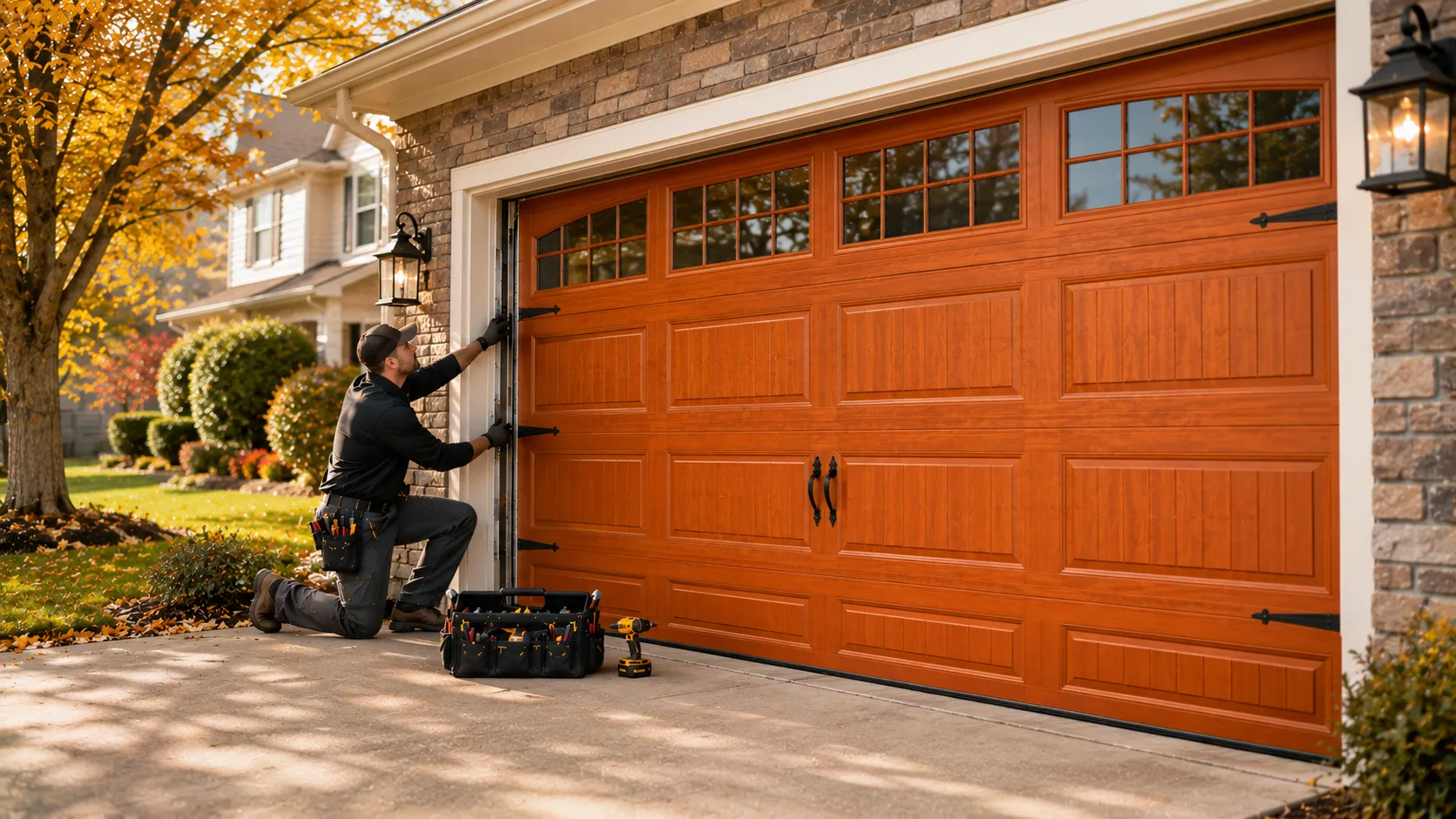
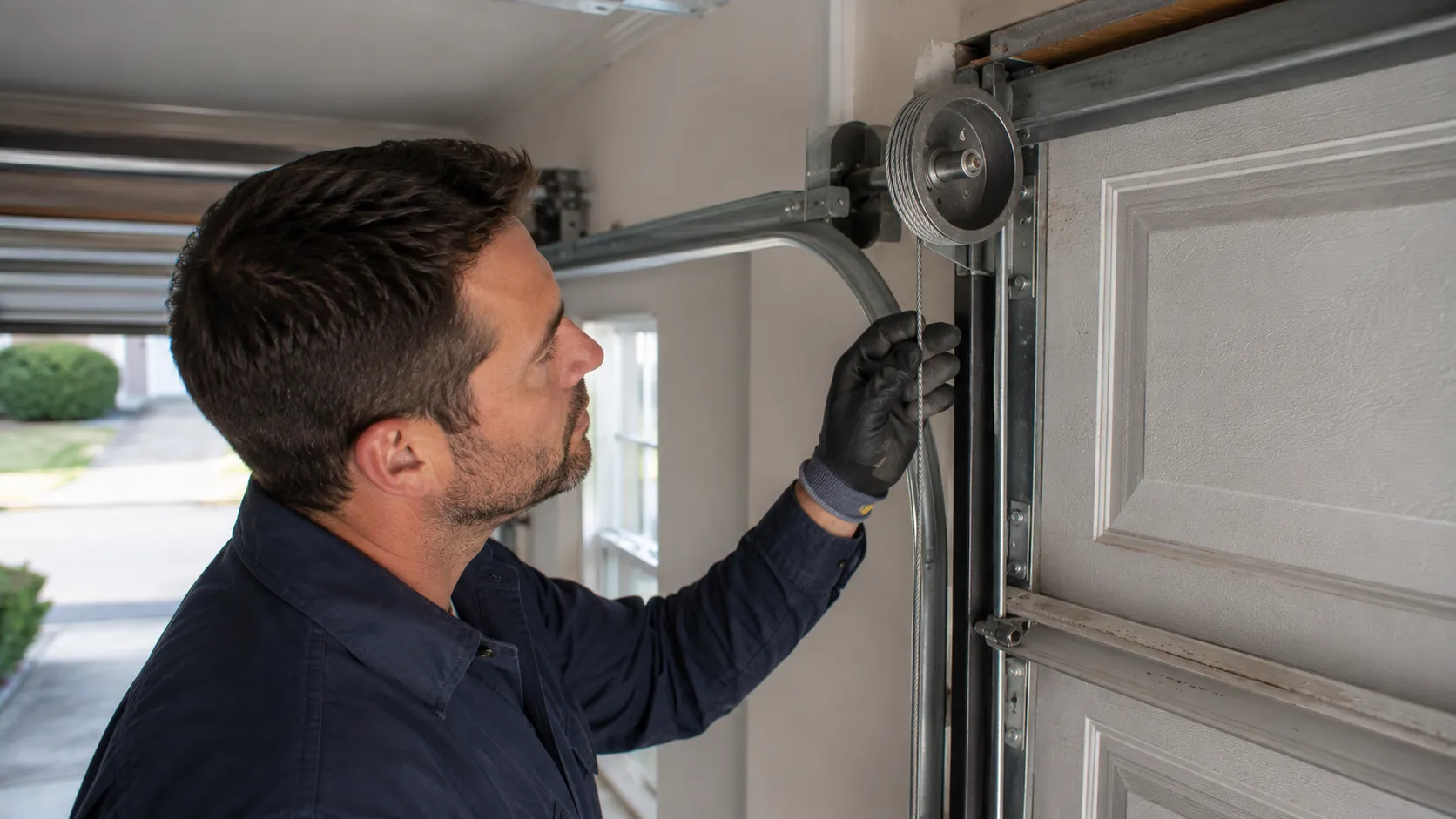
On a street built in 1956, the garage was usually an afterthought attached to a small footprint house, and the door hardware reflects that. We see a lot of extension springs mounted along the horizontal track rather than torsion springs on a shaft above the header - that was common practice before torsion setups became standard. Extension springs wear out on a different schedule and fail in a different way, usually with a loud bang rather than a slow sag.
Opener retrofits are common too. A lot of these doors got a chain-drive opener added sometime after the house was built, bolted onto framing that wasn't necessarily sized for it. When the bracket pulls loose or the rail sags, it's often the mounting, not the opener itself, that needs attention.
Panel rust and rot show up more here than in newer construction, especially on steel doors from the 60s and 70s that never got a primer touch-up. We can usually patch a small rust spot, but once it's eaten through the panel skin, replacement is the honest answer - patching won't hold past another season or two.
What we find
What Neighbours Usually Call About
The most common call from this area is a broken spring on a single-car door - the extension-spring setup common to 1950s construction doesn't last as long as a properly sized torsion system, and when it goes, it goes without warning. Second most common: a track that's pulled away from the jamb. Older framing settles, and on a house pushing 70 years old, a quarter-inch of shift is enough to bind a roller.
We also hear from owners whose opener has started reversing or refusing to close all the way. On houses this age, that's frequently a safety sensor added years after the original install, wired in a way that's finally failing, or a limit switch that's drifted out of adjustment from age rather than any recent damage.
What we don't get many calls about here is insulation upgrades - most of these owners are dealing with a door that still works but is showing its age, not shopping for a smart opener. That's a fair way to spend a repair budget, and we won't push you toward a full replacement if a spring and a track adjustment will get you another decade.
How we work
What the Housing Means for Your Door
Put the age of the housing stock together with the region's cold, severe winter climate and you get a specific failure pattern. A door installed in 1956 has been through more than sixty winters of expansion and contraction on steel track brackets, and cold makes steel springs more likely to snap rather than stretch when they finally give out. That's different from a door in a newer part of the region built to current cold-climate spec, where springs and seals are sized for the weather from day one.
The other factor is simply wear cycles. A door original to a 1956 house has opened and closed tens of thousands of times on the same rollers and hinges, most of which were never upgraded from steel to nylon. Those parts are cheap to replace before they fail, and expensive after - a seized roller can bend a track in one hard use.
One honest limit here: original hardware from this era sometimes isn't a stocked part anymore. When we can't match it, the fix is a compatible modern replacement, not an exact original, and that's worth knowing before we're standing in your driveway.
 86 areas covered
Service areas
Other areas we cover near Elmwood Park
Questions
Common questions
Are the garage doors in Elmwood Park older than what you see elsewhere in the area?
Generally yes. The median home here was built in 1956, well before the surrounding area's median of 1977, so a lot of the original doors and hardware are still in place. That means more extension-spring setups and retrofit openers, and fewer factory-installed insulated doors than you'd find in newer construction nearby.
Do you have a shop in Elmwood Park?
No. We run out of Arlington Heights and drive to Elmwood Park for jobs, about 15 miles each way. We don't keep a local depot here, so we schedule the trip rather than dropping by on short notice.
Why did my spring snap without warning?
A lot of homes built in this era, including many in Elmwood Park, use extension springs rather than torsion springs. Extension springs tend to fail suddenly rather than sagging gradually, and decades of cold-weather expansion and contraction make that more likely as the hardware ages.
Is it worth repairing an old wood panel door instead of replacing it?
Sometimes. If the rot or rust is limited to a small area, a patch can hold. Once it's through the panel skin or the frame is compromised, patching won't last another season and replacement is the more honest answer - we'll tell you which situation you're in before doing the work.
Ready when you are
Need a garage door sorted in Arlington Heights?
Arlington Heights Garage Door Pros repairs and installs garage doors, springs and openers in Arlington Heights, IL and the surrounding area.