
Harwood Heights, Arlington Heights IL
Garage Door Service for Harwood Heights Homes
Serving Harwood Heights homes built mostly in the late 1960s. We travel from Arlington Heights for spring, opener, and track repairs suited to this area's older hardware.
Local detail
This Area's Housing
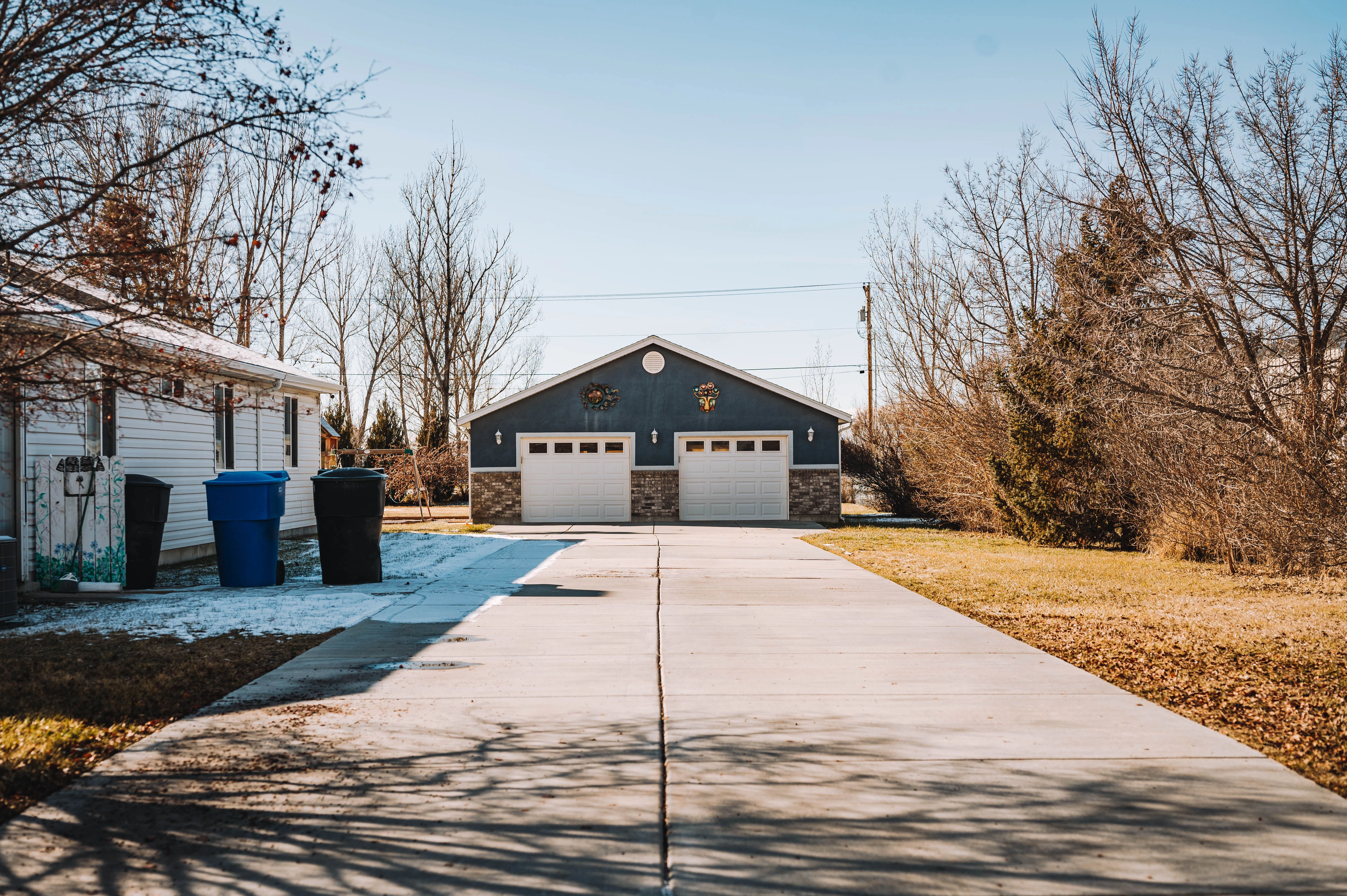
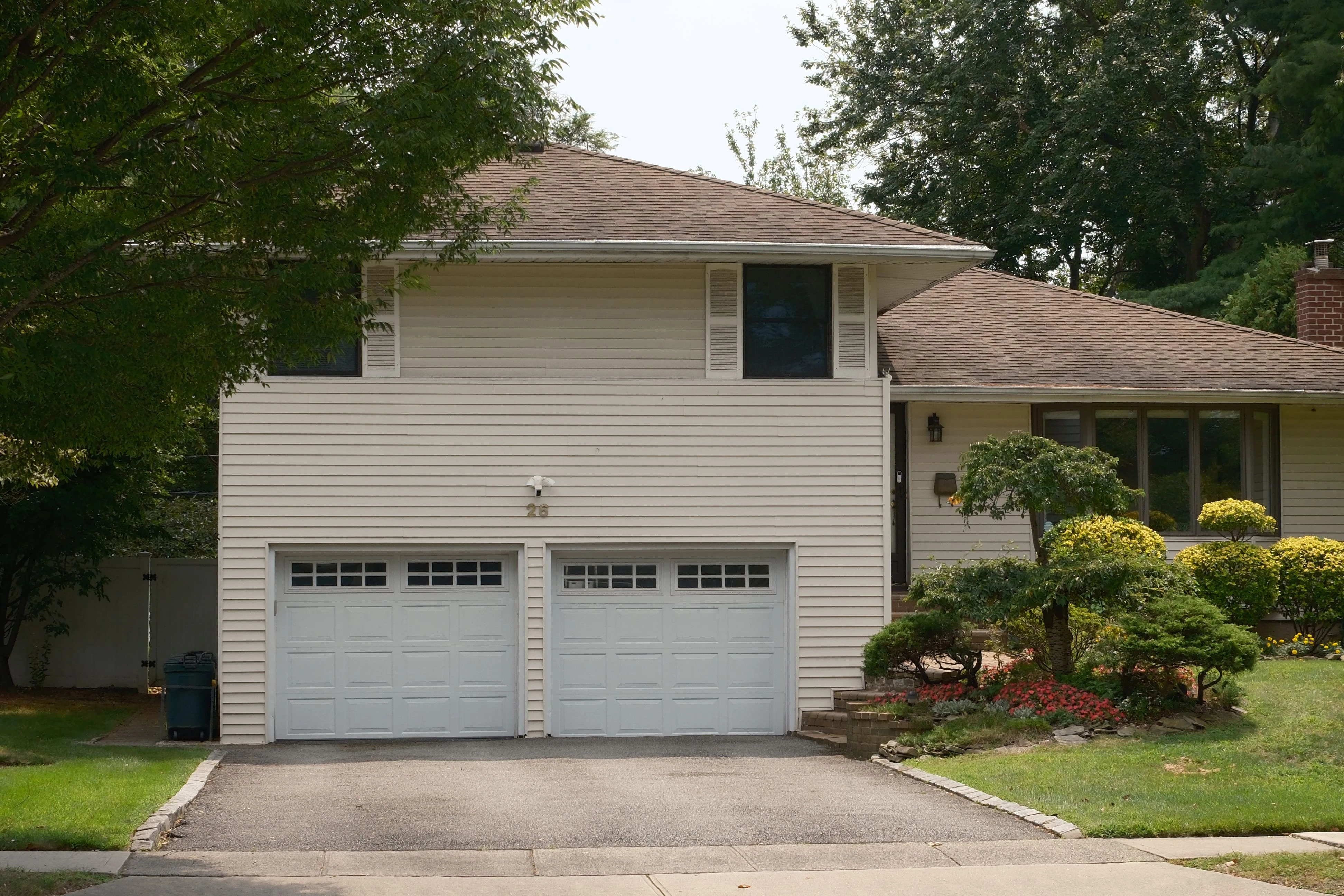
Harwood Heights homes cluster around a median build year of 1967, which puts most garages here about a decade ahead of the 1977 median across our wider service area. That gap matters more than it sounds. A door installed in 1967 came with a lighter torsion or extension spring setup, narrower track, and hardware sized for a shorter, lighter door than what gets sold today. When we get a call from this area, we're usually looking at original or first-replacement hardware that's outlived its rated cycle count, not a five-year-old opener with a bad sensor.
With about 3,582 households in this area, it's a tight, mostly single-family stretch - attached and detached garages, mostly two-car, built close together in that same wave. That consistency helps us: when one door on a block needs a jamb bracket or a specific drum size, the next three usually need the same part. It also means when parts for that era are genuinely obsolete, we tell you straight rather than jury-rig something that won't hold. Some of the oldest torsion drums from this build era simply aren't stocked new anymore, and that's a case where replacement beats chasing a part.
The area
Common Jobs Here
The jobs we run in Harwood Heights lean toward repair over replacement, and the area's median household income of about $79,651 - lower than the $109,454 median across the wider service area - tracks with that. Homeowners here more often ask for a fix that gets another five to ten years out of a working door rather than a full teardown.
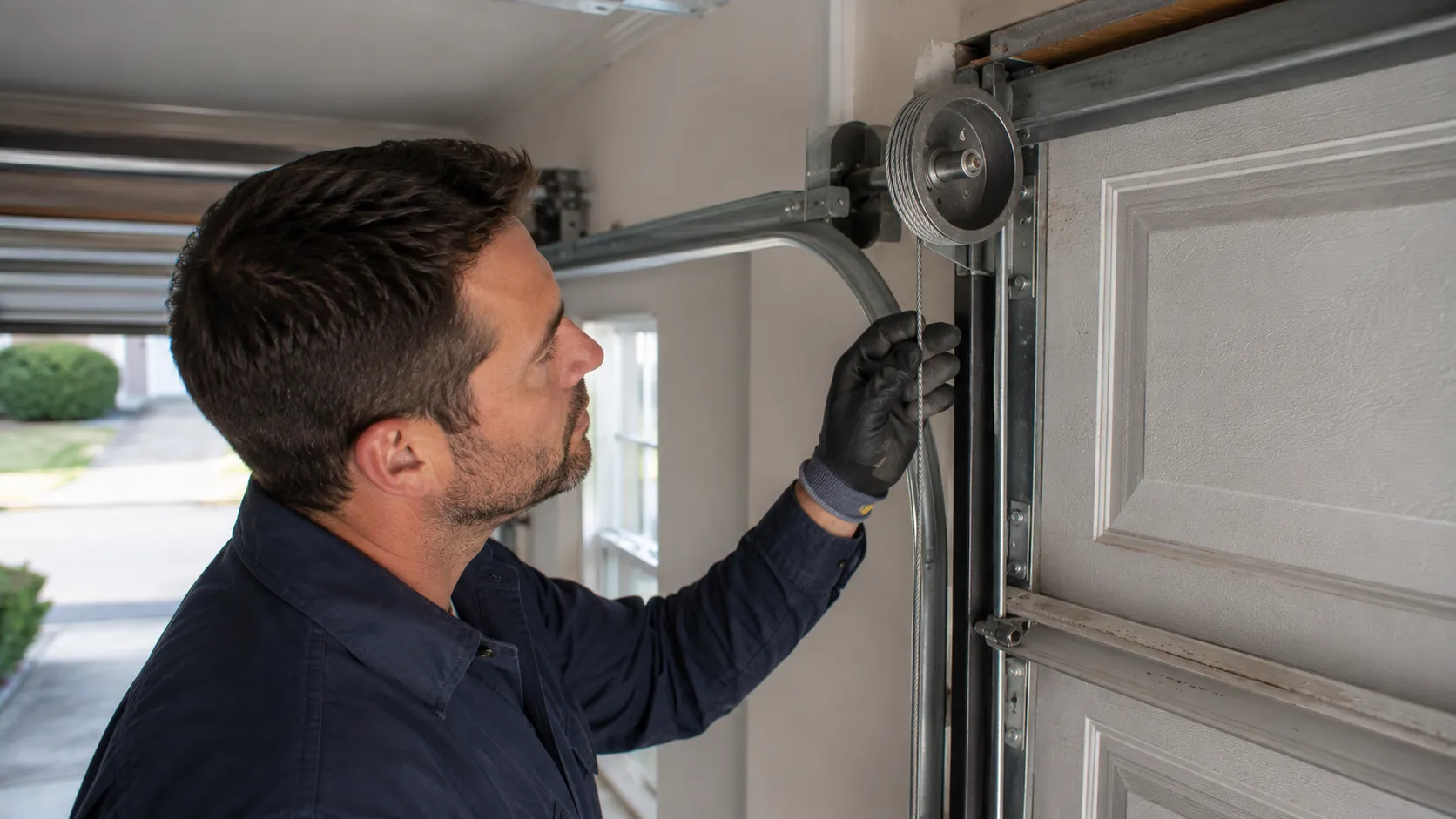
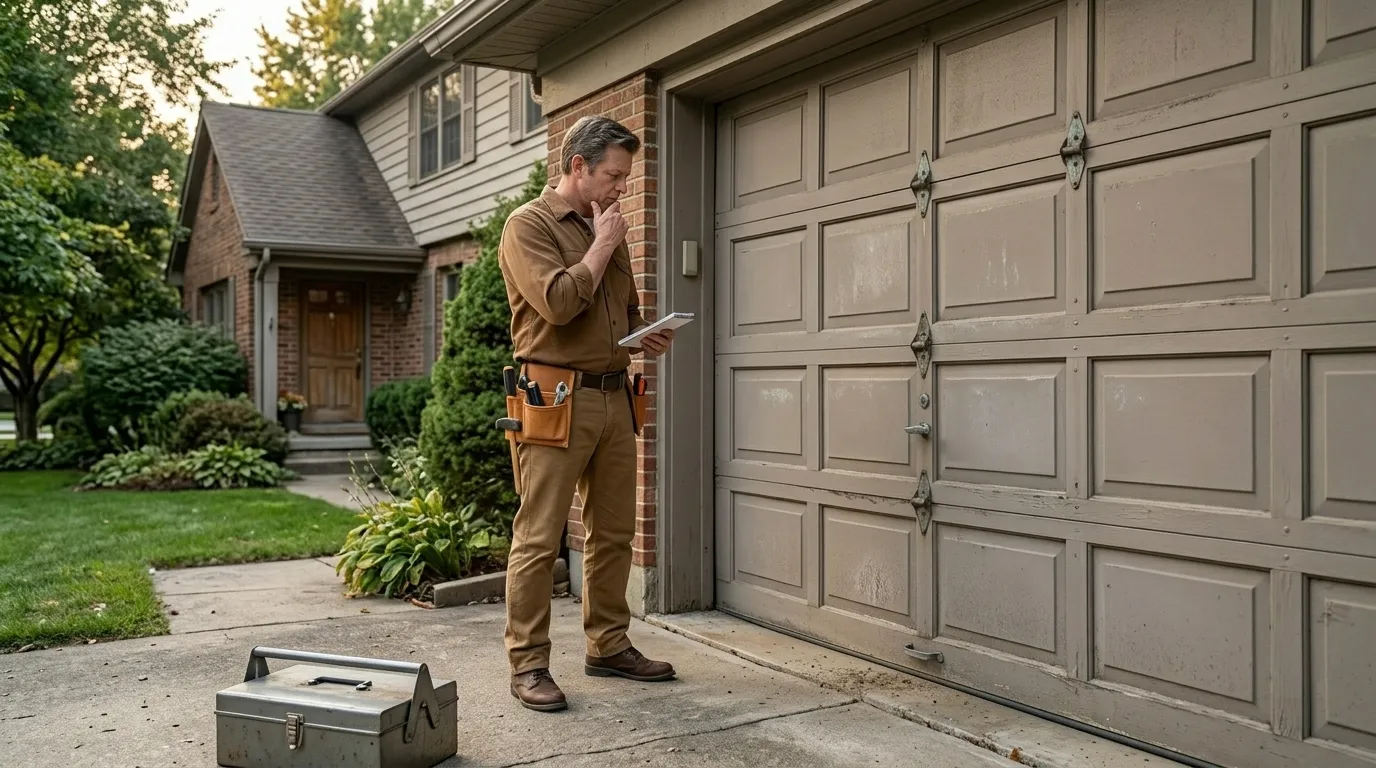
Given the 1967-era build stock, the calls we get most are broken torsion springs on doors that have never been rebalanced, worn rollers on steel track that's shifted slightly out of true over fifty-plus years of freeze and thaw, and openers original to a 1980s or 1990s retrofit that finally quit. Cable fraying on older drums shows up more here than in newer subdivisions, because the drums themselves are a different diameter than what current cable is cut for. We stock common replacement sizes, but on some of the oldest configurations we may need a day or two to source the exact part - that's the one honest limitation worth stating up front.
What we find
What Neighbours Usually Call About
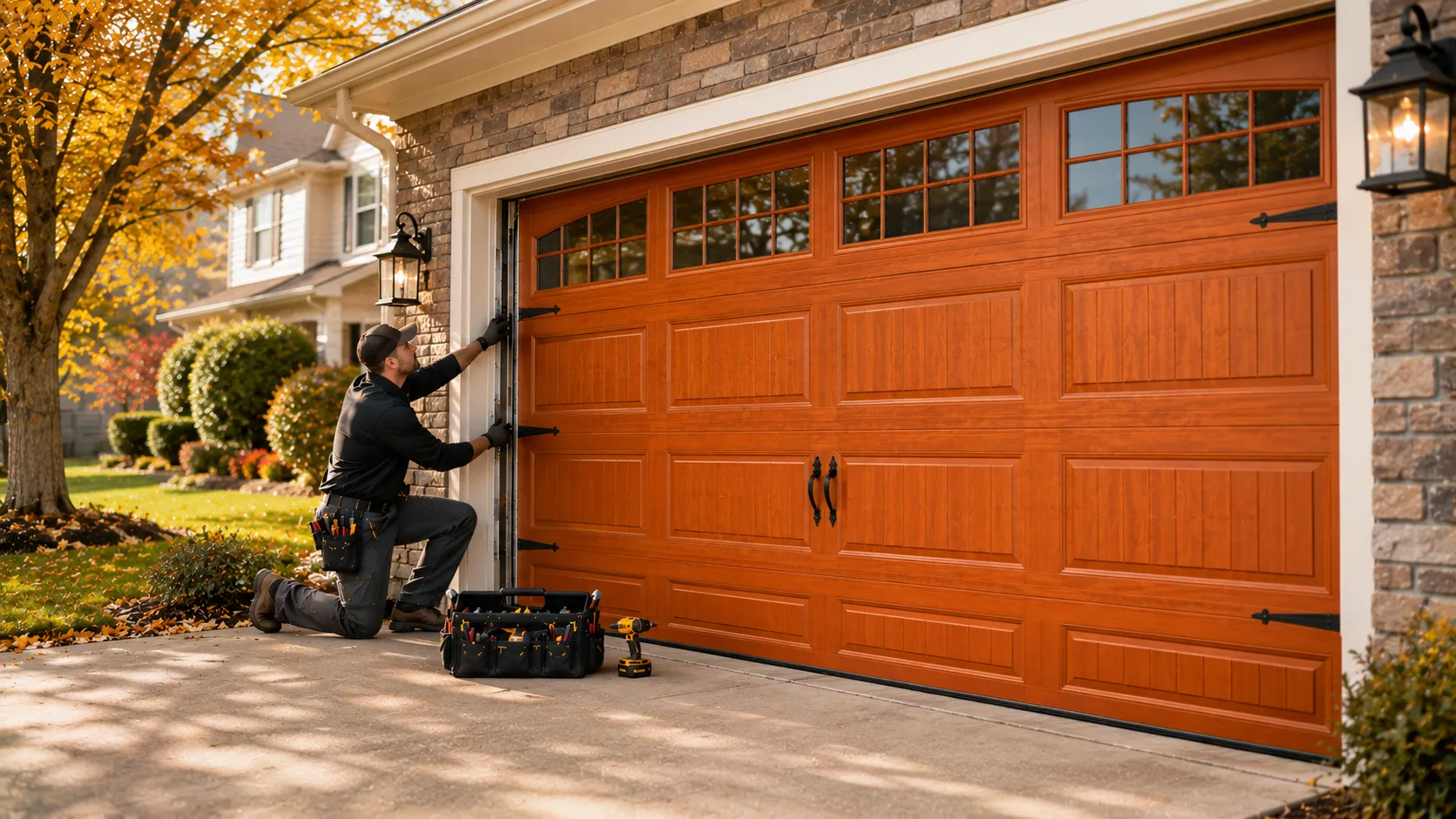
Most calls start the same way: the door won't open, or it opens partway and stops. On homes from this 1967 build era, that's almost always a spring that's lost tension gradually rather than snapped outright, which means the door still moves but the opener is straining to lift dead weight it wasn't built to carry. A few calls a year come in as an actual snapped spring with a loud bang, usually on a door that's had the same springs since the original install.
The second most common call is a track that's racked slightly - not broken, just pulled a few degrees out of parallel from decades of settling in an older slab. That shows up as a door that binds on one side or a roller that pops out of the track intermittently. Opener issues come third, usually a keypad or remote that's stopped syncing, which on hardware this age is often a dying circuit board rather than a battery.
How we work
What the Housing Means for Your Door
Because Harwood Heights sits at a median build year of 1967, a decade earlier than the broader service area, the fixes that make sense here skew toward matching old hardware rather than swapping in whatever's newest. A heavier insulated steel door dropped onto 1967 track and brackets without adjustment puts more load on hinges and jambs than they were built for - we've seen that mismatch cause callbacks within a year on other older-stock jobs.
Winters here still bring the same cold-climate strain the whole region deals with: metal contracts, grease stiffens, and springs that were already tired from age lose what tension they had left faster in January than in July. On a fifty-plus-year-old door, that's often the push that turns a slow, sticky door into one that won't move at all. We're about 13 miles out from our Arlington Heights base, so when you call, we factor that drive into scheduling rather than promising something we can't back up.
 86 areas covered
Service areas
Other areas we cover near Harwood Heights
Questions
Common questions
Do you carry parts for older torsion springs from the 1960s?
We stock common sizes, but some drum and spring configurations from that era aren't made new anymore. On those jobs we sometimes need a day or two to source the right part rather than force a fit that won't last. We'll tell you upfront if that's the case.
Is it worth replacing a fifty-year-old door instead of repairing it?
Depends on the door. If the panels are solid and it's a spring, cable, or roller issue, repair usually makes sense and costs less. If the track or frame has racked significantly or the door's been patched more than once, replacement often ends up cheaper over time.
How far out is Harwood Heights from your base?
About 13 miles from our Arlington Heights location. We factor that into scheduling when we book a job, so ask when you call and we'll give you a realistic window rather than a guess.
Why does my opener keep failing to sync with the remote?
On hardware this age, that's usually a dying circuit board rather than a battery or programming issue. If the board is original to a 1980s or 1990s opener retrofit, replacing the opener is often more reliable than repeatedly resetting it.
Ready when you are
Need a garage door sorted in Arlington Heights?
Arlington Heights Garage Door Pros repairs and installs garage doors, springs and openers in Arlington Heights, IL and the surrounding area.