
Arlington Heights, IL
Garage Door Installation for Arlington Heights Homes
New garage door installation for Arlington Heights homes built 1938-2009, sized for older tracks, cold-climate seals, and openers that match the original header height.
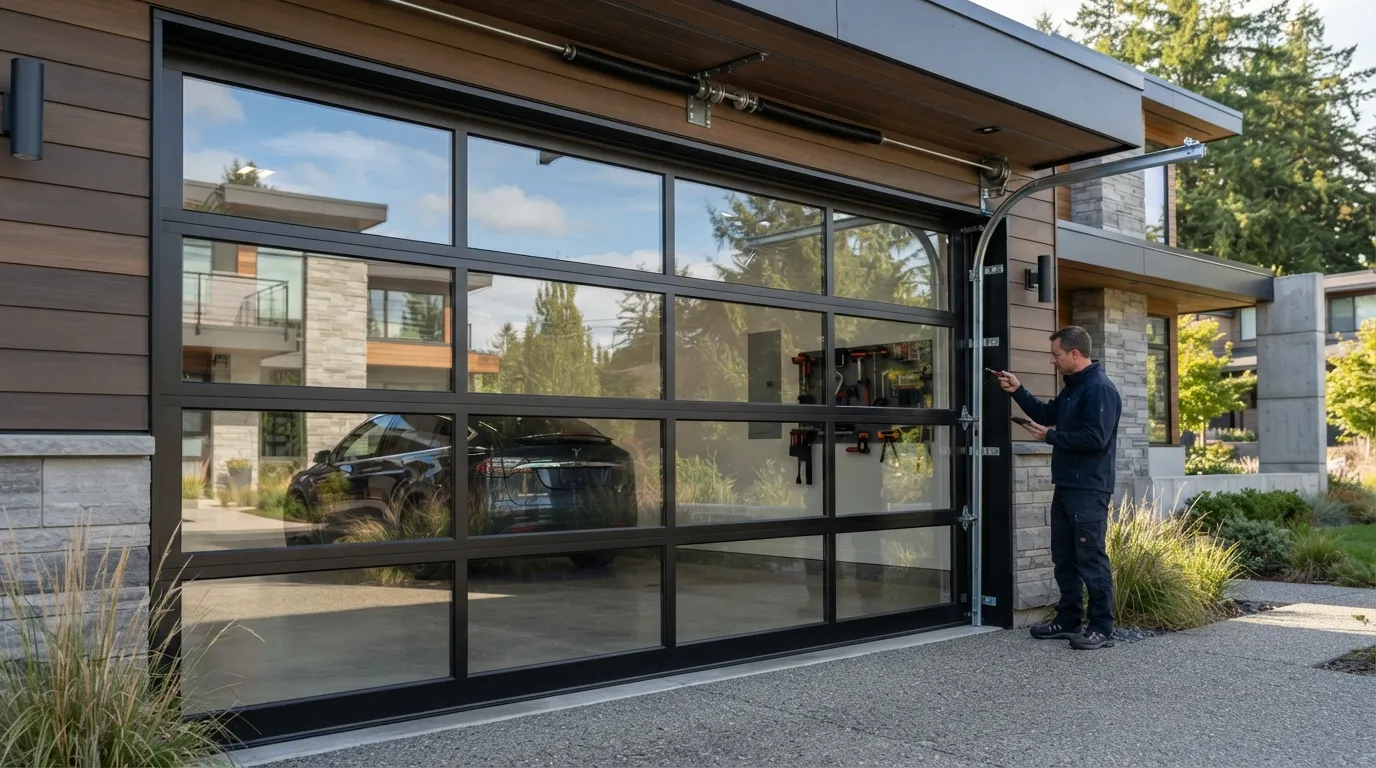
What we do
Garage door work in Arlington Heights
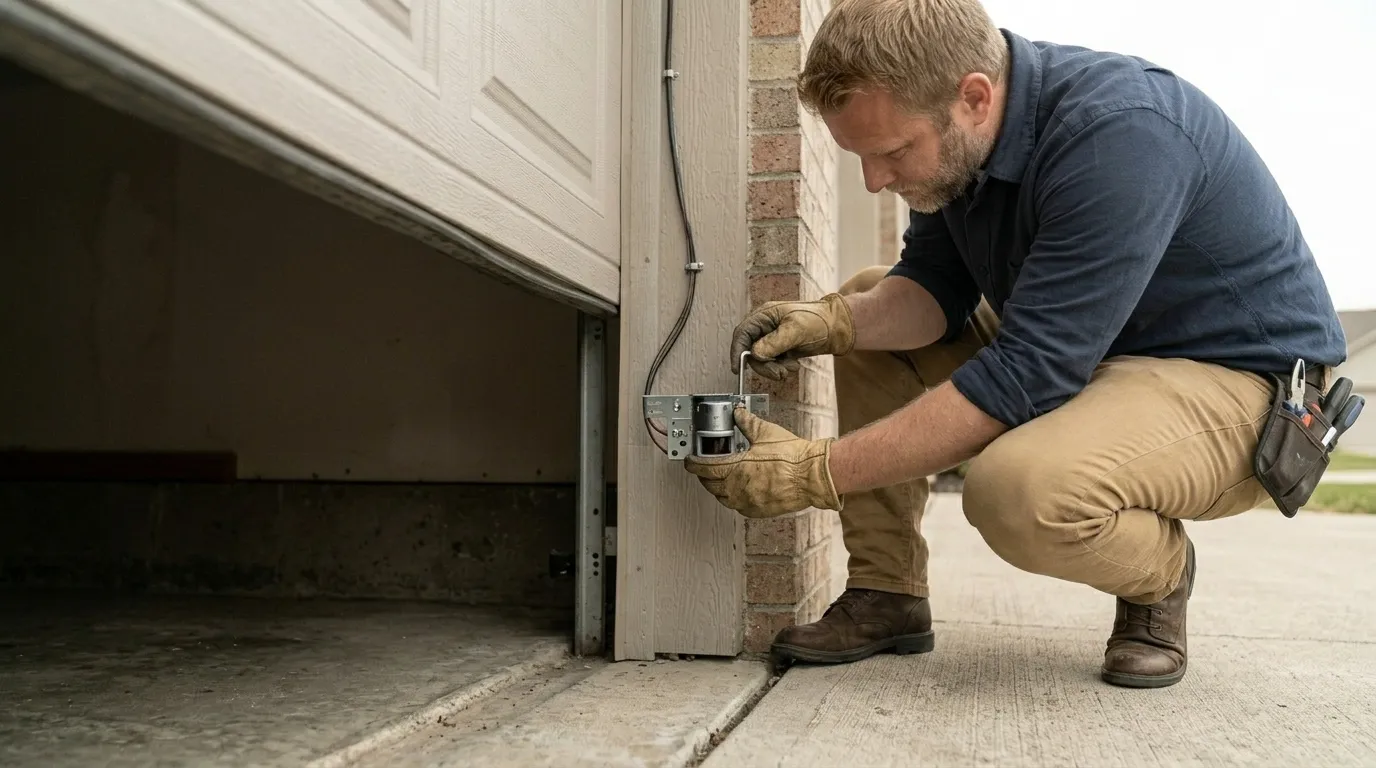
Garage Door Repair Built Around Arlington Heights Houses
Torsion springs, openers, and tracks fail differently on Arlington Heights homes built 1938-2009. Learn more →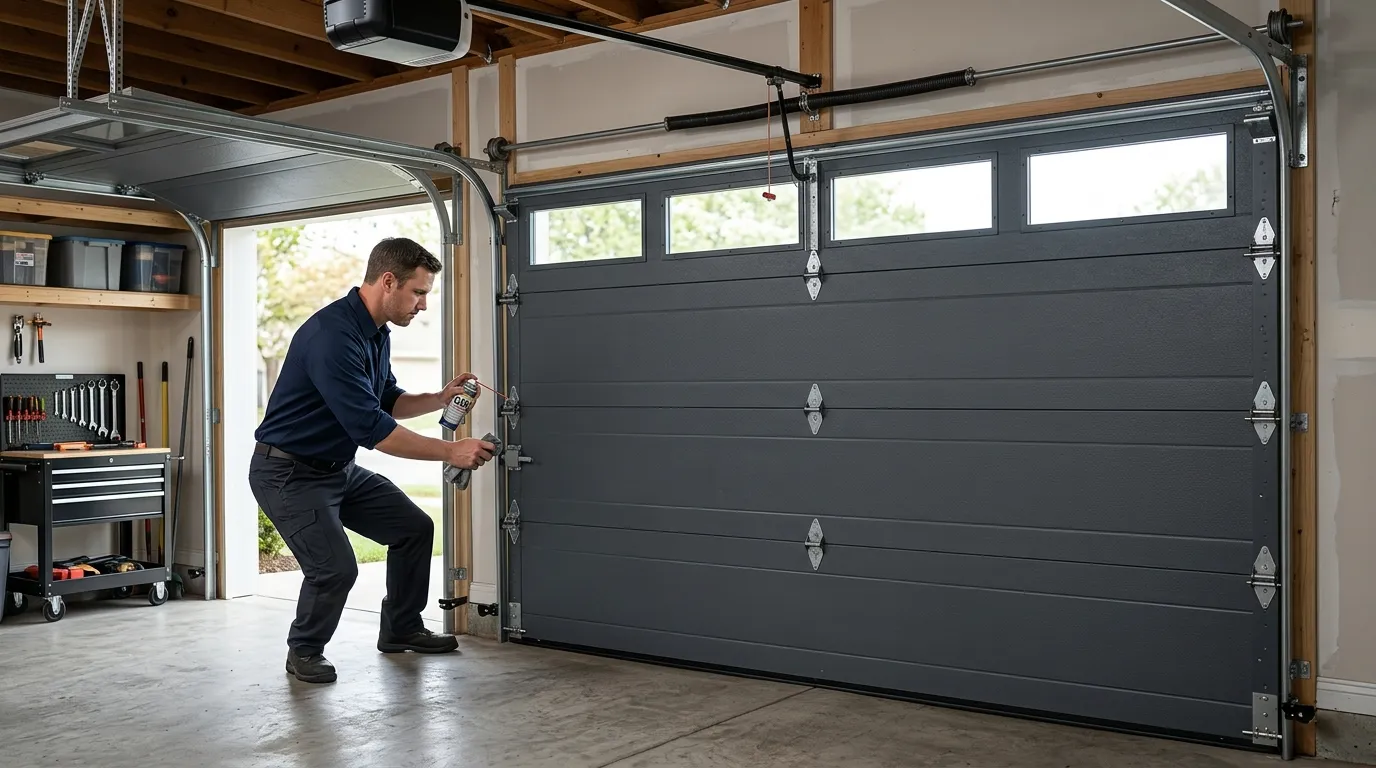
Garage Door Service for Arlington Heights Homes
Torsion spring and opener service for Arlington Heights homes built mostly in the 1960s and 70s, where cold winters put extra load on original garage door hardware. Learn more →Local detail
The Complications
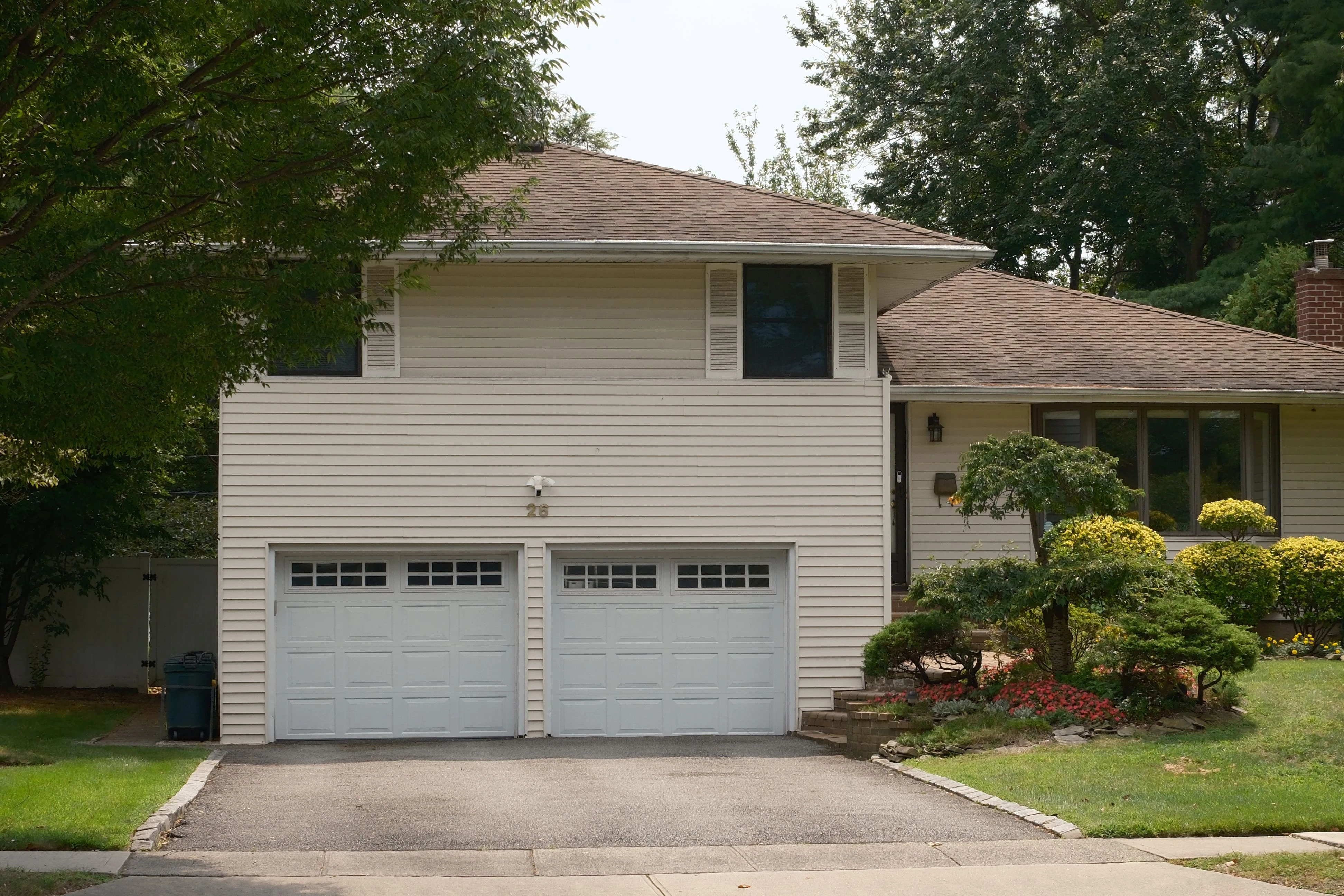
Arlington Heights houses were mostly put up between 1938 and 2009, with the median build year landing around 1977. That spread matters more than most homeowners think when it comes time to replace a door. A house from the late 1970s has a rough opening, header clearance, and track spacing that don't match what a big box store's "standard" 16x7 kit assumes. If your garage was built to code in 1977 and never touched since, the frame has settled, the header may be an inch or two off level, and the old track brackets are lag-bolted into wood that's shrunk over four decades.
We run into this across the wider service area - 223,811 owner-occupied houses sit inside a region that's still dominated by 1960s and '70s construction. That means most installs aren't drop-in replacements. They involve shimming a header, swapping out bent or undersized track, or moving a light switch that was never meant to share a wall with a modern opener bracket. A straightforward swap can turn into a half-day job once the old jamb comes off and you see what's actually behind the trim.
We won't pretend every job is simple. If the framing needs real carpentry beyond squaring a header, that's outside what a garage door install covers, and we'll tell you before we start, not after.
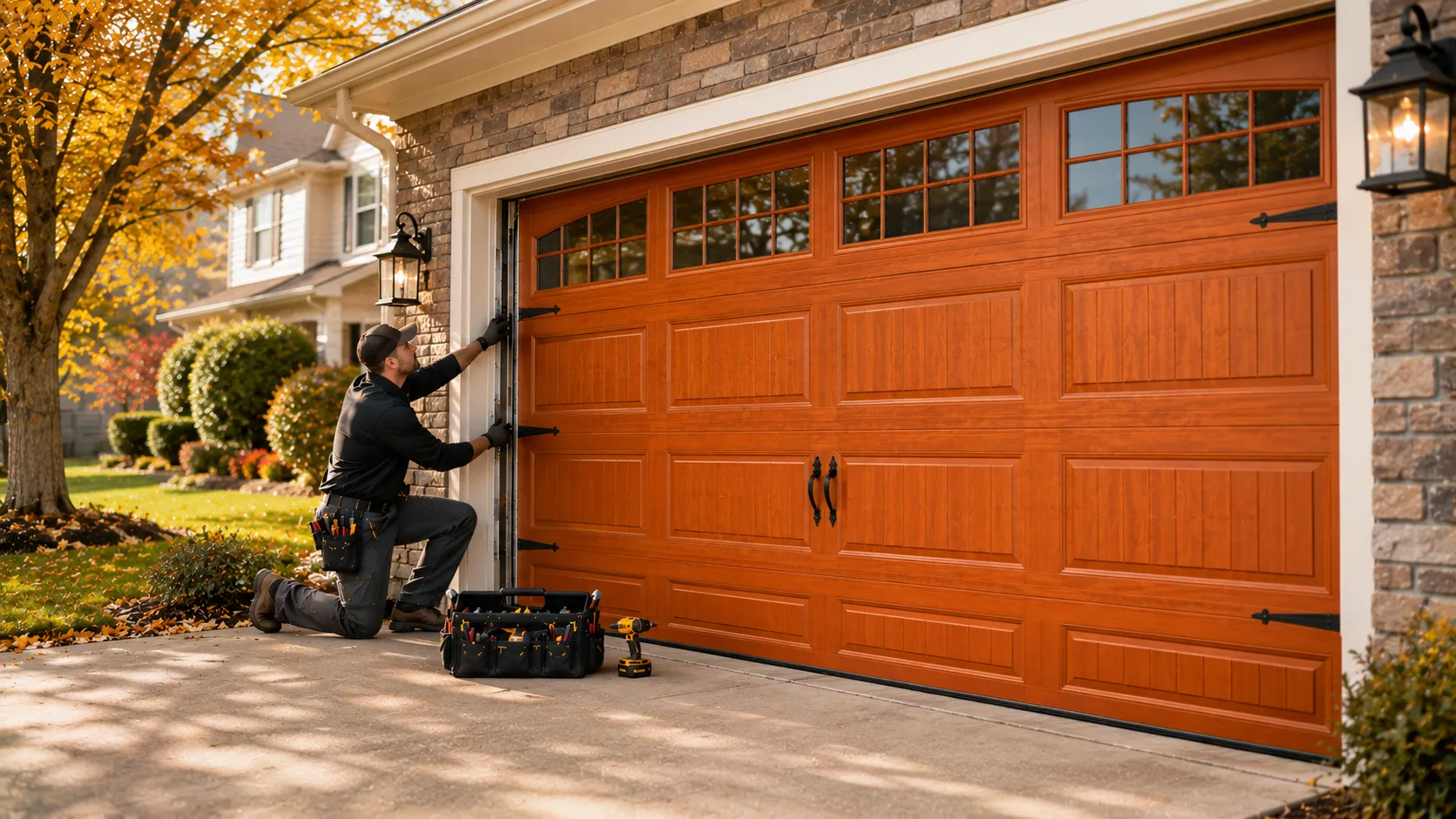
The area
How It Shows Up
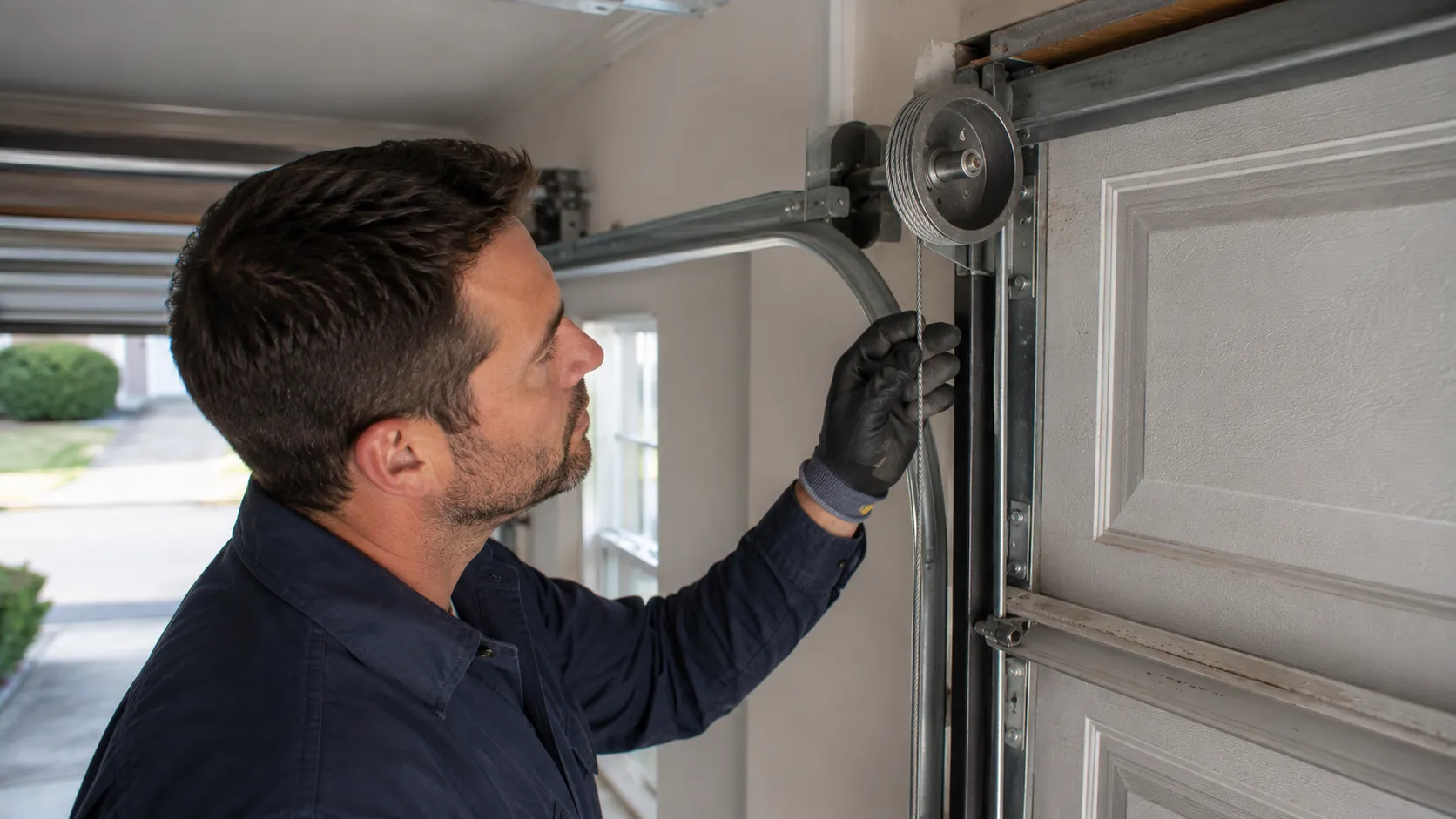
The most common sign we see on estimate calls is a door that's technically working but binding - it shudders partway up, the opener strains, or one side lifts a beat before the other. On a house from the 1960s or '70s stock that's common here, that's usually the original track geometry fighting a newer door panel that's a different weight or thickness than what the hardware was sized for.
Another version: homeowners call about drafts along the bottom seal or ice forming on the inside of the door panel in January. That's not a defective door - it's an older single-layer door doing exactly what it was built to do, which is not hold heat. Given how cold this region gets in winter, that gap between old hardware and current expectations shows up as a heating bill problem as much as a garage door problem.
We also see torsion springs sized for a lighter, older wood door struggling once someone's replaced the panel with a heavier insulated steel one without re-rating the spring. The door looks fine standing still and then won't open past waist height. None of this is dramatic. It's slow mismatch, one repair at a time, until installation is the only thing left that makes sense.
What we find
Why It Happens Here
Two things push installation issues here in a specific direction: the age of the housing stock and the winter climate. With homes built anywhere from 1938 up through 2009 and a median around 1977, there's no single "standard" opening size across the area - a door sized right for a 1980s split-level won't necessarily fit a 1950s ranch three streets over. That means measuring twice matters more here than it would in a subdivision built in one pass in a single decade.
The cold is the other driver. This area sits in a severe cold climate band, and an older door with a thin panel and a worn bottom seal loses its grip on that seal every time the concrete slab contracts in a hard freeze. Once the seal compresses unevenly, cold air finds the gap, and the door starts working harder to close square - which speeds up wear on rollers and hinges that were already original to the house.
Household income in the service area runs a median of $109,454, and we mention that only because it shapes the range of doors we're asked to spec - a fair number of jobs here are full insulated replacements, not the cheapest panel on the lot, specifically because owners want the door to actually hold heat through the winter.
How we work
What the Fix Involves
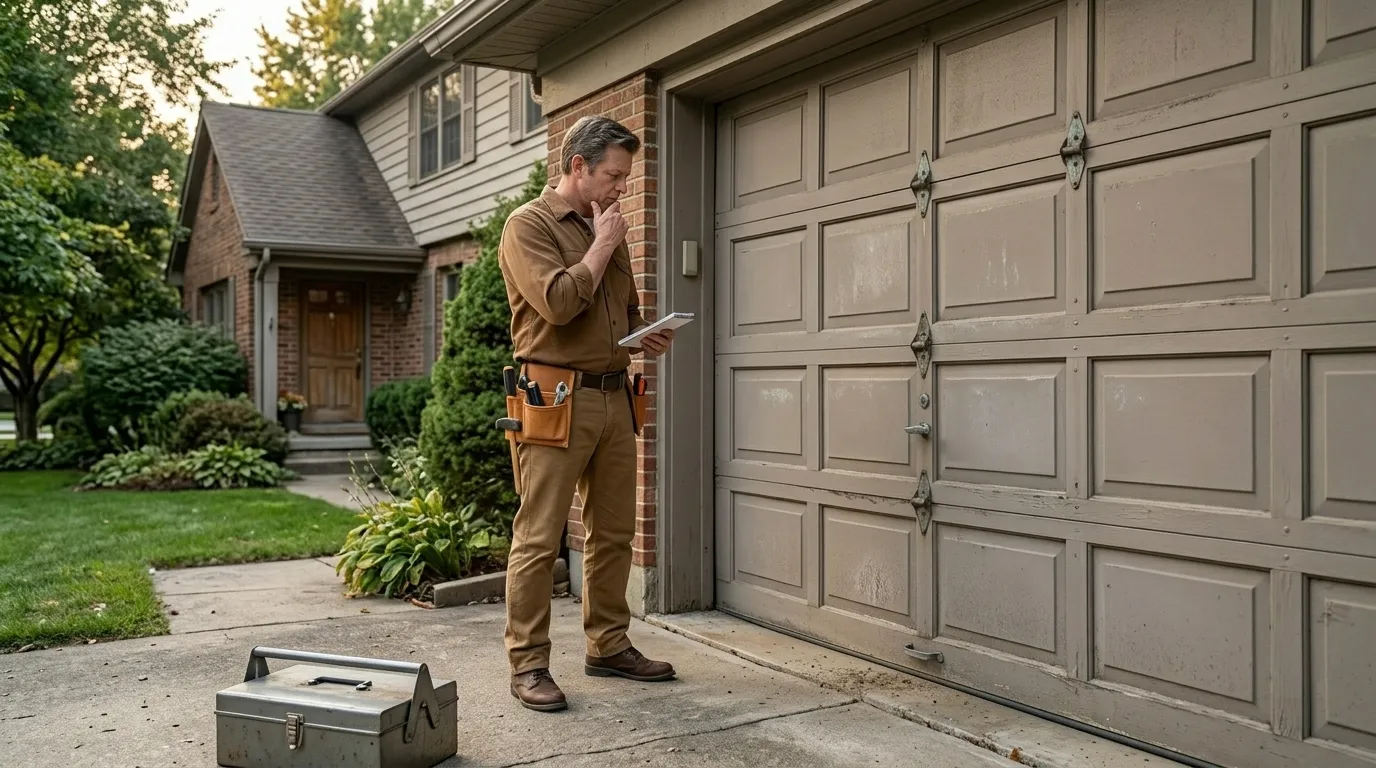
A proper installation starts with the header and jamb, not the door. We check plumb and level against the actual rough opening - not an assumed one - because on a house from this area's typical 1960s-70s build era, that opening has usually shifted slightly over the decades. If the header needs shimming to take new track brackets square, that happens before anything else goes up.
From there it's track alignment, spring sizing to match the actual door weight (insulated steel doors run heavier than the wood or thin steel doors many of these houses started with), and a bottom seal rated for the cold this area sees each winter. We size the opener to the door, not the other way around, since an opener built for a lighter panel will burn out fast trying to lift one it wasn't rated for.
We serve homeowners here and in the nearby communities - Prospect Heights, Mount Prospect, and Wheeling among them - and the same header-and-climate logic applies across that stock. One thing we're upfront about: if your garage framing needs structural work beyond squaring a header, that's a carpenter's job first, ours second.
Questions
Common questions
Will a standard-size garage door fit my house?
Not always. Because homes in this area were built anywhere from the late 1930s through the 2000s, rough openings vary more than a big-box "standard" kit assumes. We measure the actual header and jamb before quoting a size, especially on houses from the 1960s and '70s that make up most of the stock here.
Do I need an insulated door in this area?
Given how cold winters get here, most homeowners choose an insulated panel over a single-layer one, mainly to stop the draft and ice buildup that thin doors let through. It's not required, but it's the upgrade we get asked about most on replacement jobs.
How long does a full installation take?
A straightforward swap on a modern opening can be done in a few hours. Older houses often need header shimming or track bracket work first, which can push a job to a half day. We'll tell you which situation you're in before we start, not after.
Ready when you are
Need a garage door sorted in Arlington Heights?
Arlington Heights Garage Door Pros repairs and installs garage doors, springs and openers in Arlington Heights, IL and the surrounding area.