
Libertyville, Arlington Heights IL
Garage Door Service for Libertyville Homes
Garage door repair and installation for Libertyville, IL homes built around 1976, served from Arlington Heights. Springs, openers, panels, and cold-weather fixes.
Local detail
This Area's Housing
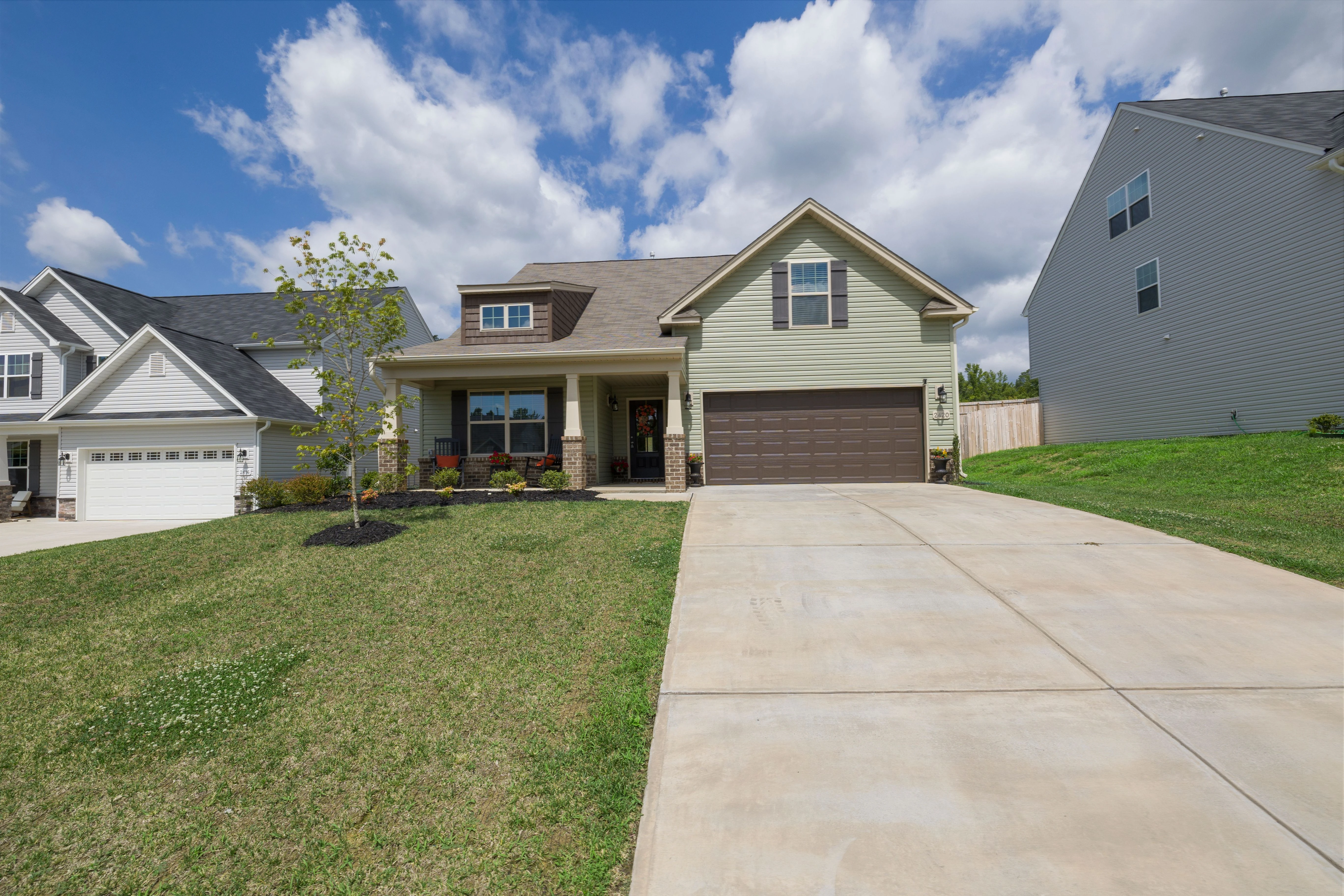
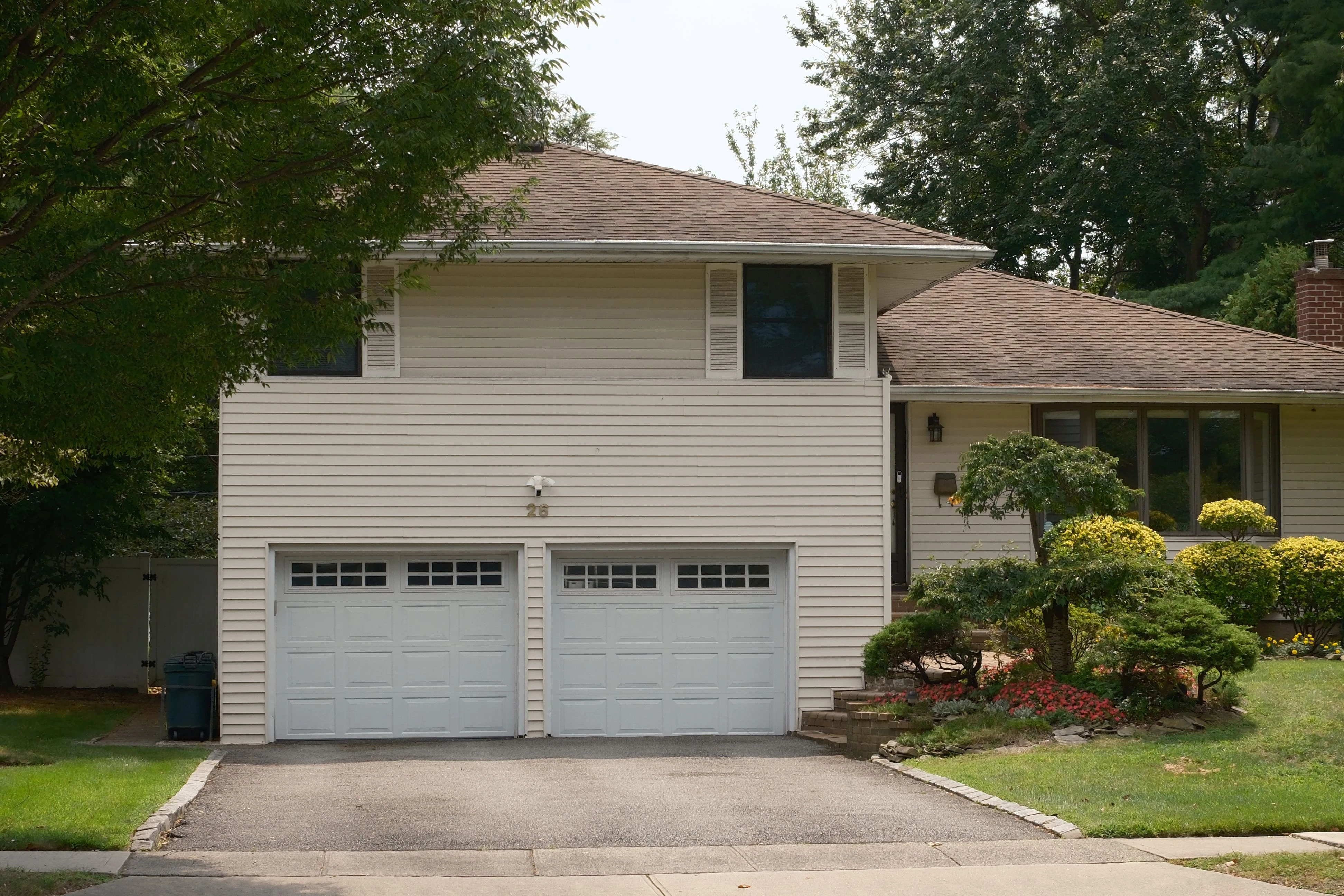
Libertyville's houses mostly went up around 1976, which puts the neighborhood squarely in the second wave of building that shaped a lot of this part of the region - later than the postwar blocks closer to Arlington Heights, and built to different standards. With about 7,573 households here, it's a small slice of the roughly 454,992 households spread across the whole service area, but it's a distinct one. Median household income in Libertyville runs $162,270, well above the $109,454 median across the wider area, and that shows up in the doors we see: more insulated steel sections, more openers with battery backup, fewer of the bare single-panel doors you find on older stock.
We drive out 13 miles from Arlington Heights to get here, farther than most of the towns on our route, so when we quote a job we build the trip into the schedule rather than pretend we're around the corner. A house built in 1976 is old enough now that its original hardware is due for a look, but young enough that most parts are still standard sizes, not obsolete ones.
The area
Common Jobs Here
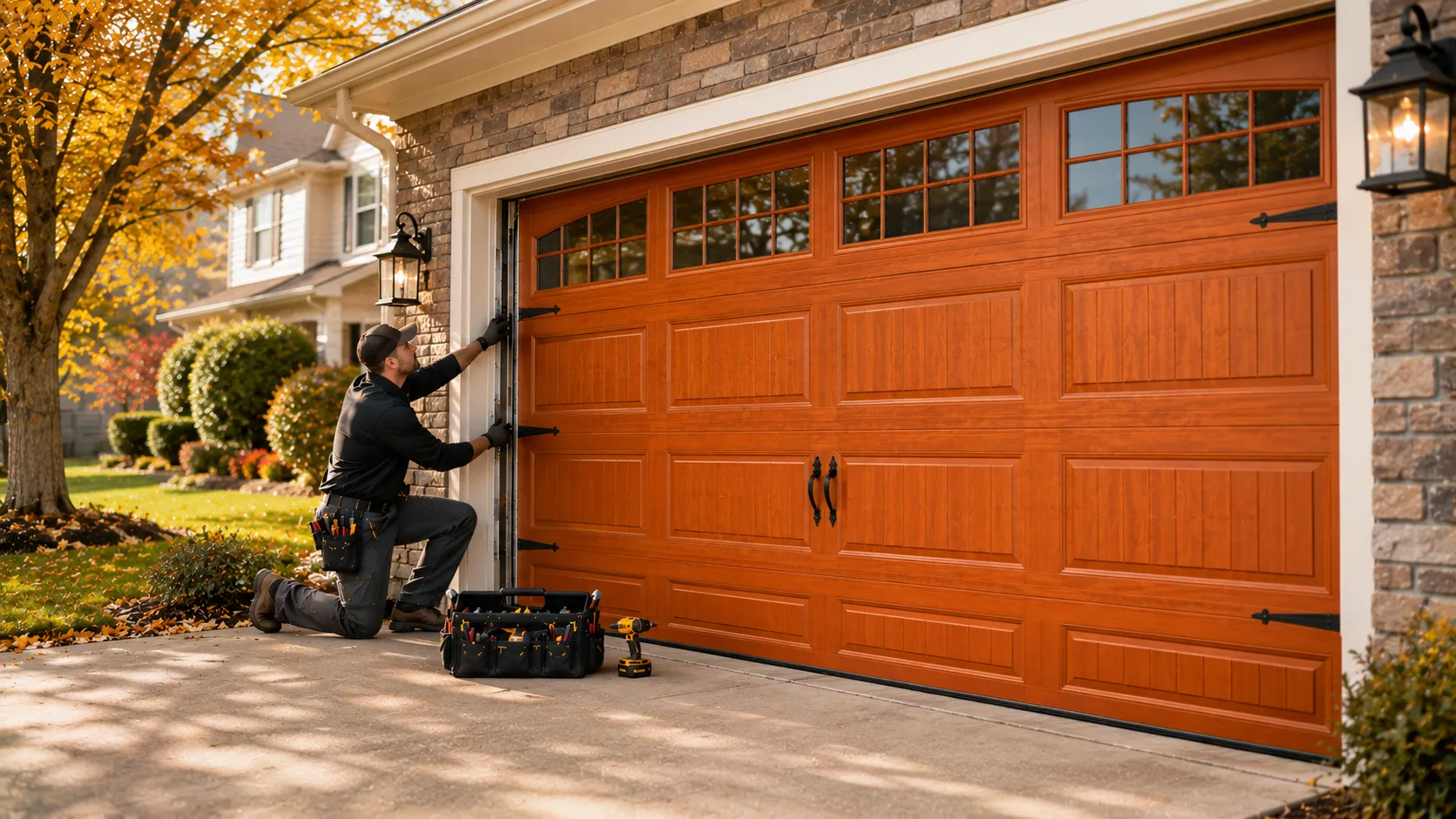
On houses from this era, the jobs cluster around wear rather than the exotic problems you get with much older or much newer construction. Torsion springs installed in the mid-to-late 1970s have usually been replaced once already, sometimes twice, and if a homeowner doesn't know the cycle count on the current set, that's normal - nobody logs it. Openers from that build era are long gone by now, so most of what we touch is a second- or third-generation opener with worn drive gears or a logic board that's stopped talking to the wall button.
Rollers on steel doors this age tend to be the original nylon ones, cracked and noisy by the time anyone calls. Track alignment issues show up more in homes that added insulation or finished the garage later, since that work sometimes bumps the jamb brackets out of square without anyone noticing until the door starts binding. We also see a fair number of bottom seals that have hardened and let cold air through, which matters more here given the winters.
What we find
What Neighbours Usually Call About
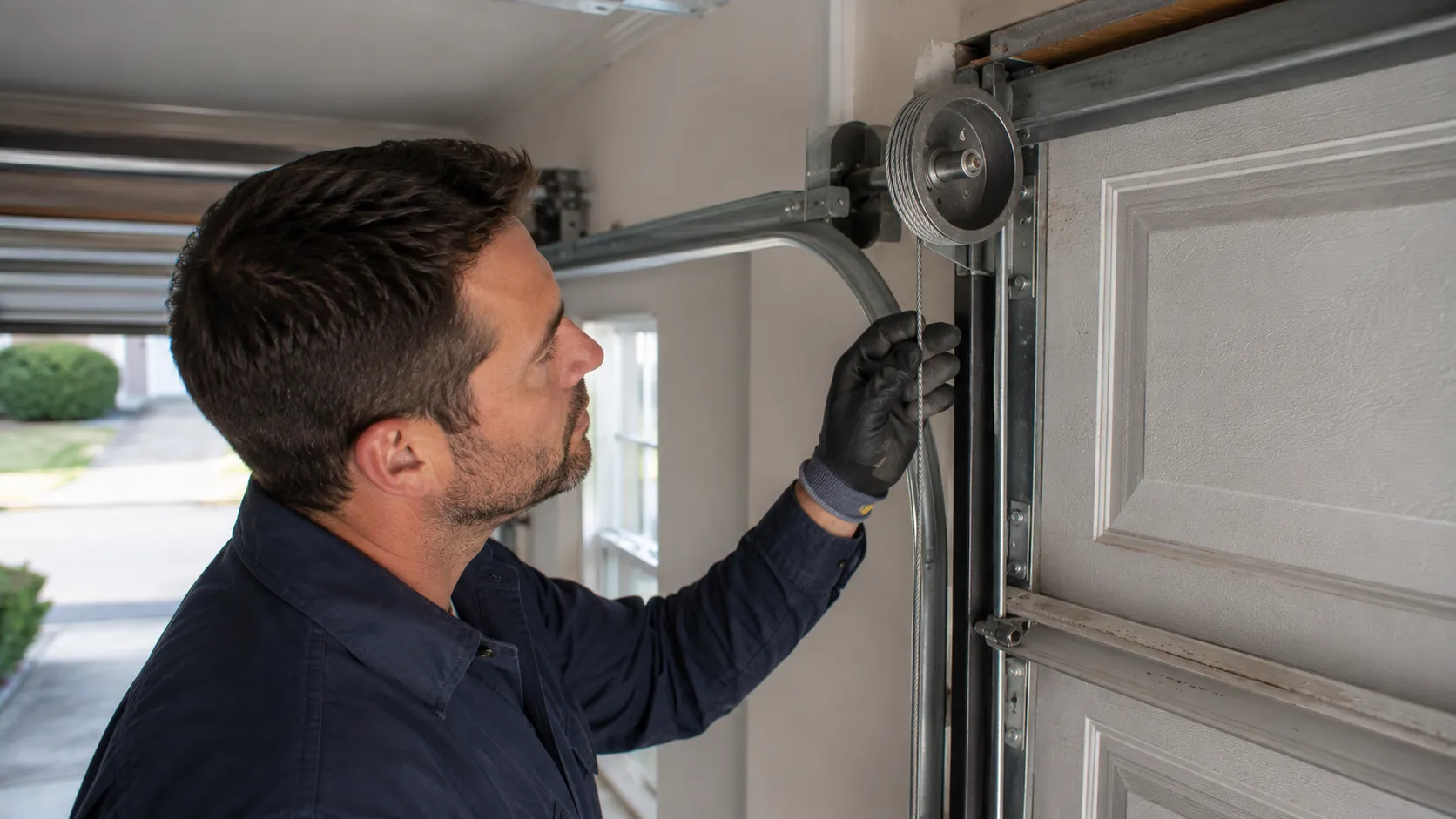
The call we get most from this area is a door that's suddenly heavy to lift by hand, which almost always means a spring has lost tension or snapped outright - expected on a house pushing fifty years old, not a sign anything else is wrong. Right behind that is an opener that runs but doesn't fully close, usually a safety-sensor alignment problem that's easy to fix but unnerving for whoever noticed the door reversing on its own. We hear from people whose remote works from the driveway but not from the street, which is usually a battery or antenna issue rather than anything wrong with the door itself.
A smaller number of calls come in about a door that's noticeably slower or louder in January than it was in July - the cold band this region sits in stiffens grease and tightens metal, and older extension springs feel it more than newer torsion setups. We're honest when a call turns out to be a five-minute lubrication job instead of a repair; not every noise means a part is failing.
How we work
What the Housing Means for Your Door
Because most of Libertyville was built around 1976, the doors we replace here tend to be steel sectional doors on extension or early torsion spring systems, not the single-piece slab doors you'd find in a neighborhood built before 1960. That matters for parts: extension spring kits and the pulleys that go with them are a different order than what a 1990s-built house needs, and we carry stock for both because this area still has plenty of the older hardware in service. The cold-severe climate this region sits in means insulation value isn't cosmetic - a door with a low R-value on an attached garage here will show it on the thermostat, and homeowners with income to spend on an upgrade often choose to move up a tier when they replace rather than match the old door.
One honest limit: if a spring or opener is original to a 1970s install and still running, we won't talk anyone into replacing it early just because of its age. We fix what's broken and tell you plainly when a part still has life left.
 86 areas covered
Service areas
Other areas we cover near Libertyville
Questions
Common questions
Are you based in Libertyville?
No, the crew works out of Arlington Heights and drives out to Libertyville, about 13 miles away. We build the drive into scheduling, so it doesn't change how a job is quoted or handled once we're on site.
My house was built in the 1970s - does that affect what parts you bring?
Yes. Most Libertyville homes date to around 1976, so we expect steel sectional doors on extension or early torsion springs and stock the pulleys and cable sizes that go with that era, rather than only newer hardware.
Why is my door heavier to lift in winter?
This region sits in a cold-severe climate band, and cold stiffens the grease in rollers and hinges while metal springs lose a bit of flex. On an older extension-spring door, that shows up as a noticeably heavier lift until things warm up.
Is it worth replacing an old opener instead of repairing it?
Depends on the failure. If the motor and gears are sound and it's a sensor or logic issue, repair usually makes sense. If the drive system is worn out on an opener that's decades old, replacement is often the better value, but we'll say so plainly rather than push it by default.
Ready when you are
Need a garage door sorted in Arlington Heights?
Arlington Heights Garage Door Pros repairs and installs garage doors, springs and openers in Arlington Heights, IL and the surrounding area.