
Lake in the Hills, Arlington Heights IL
Garage Door Service for Lake in the Hills
Garage door repair and install for Lake in the Hills, IL homes built mostly after 1995 - newer steel doors, factory openers, and safety sensors need different parts than older stock.
Local detail
This Area's Housing
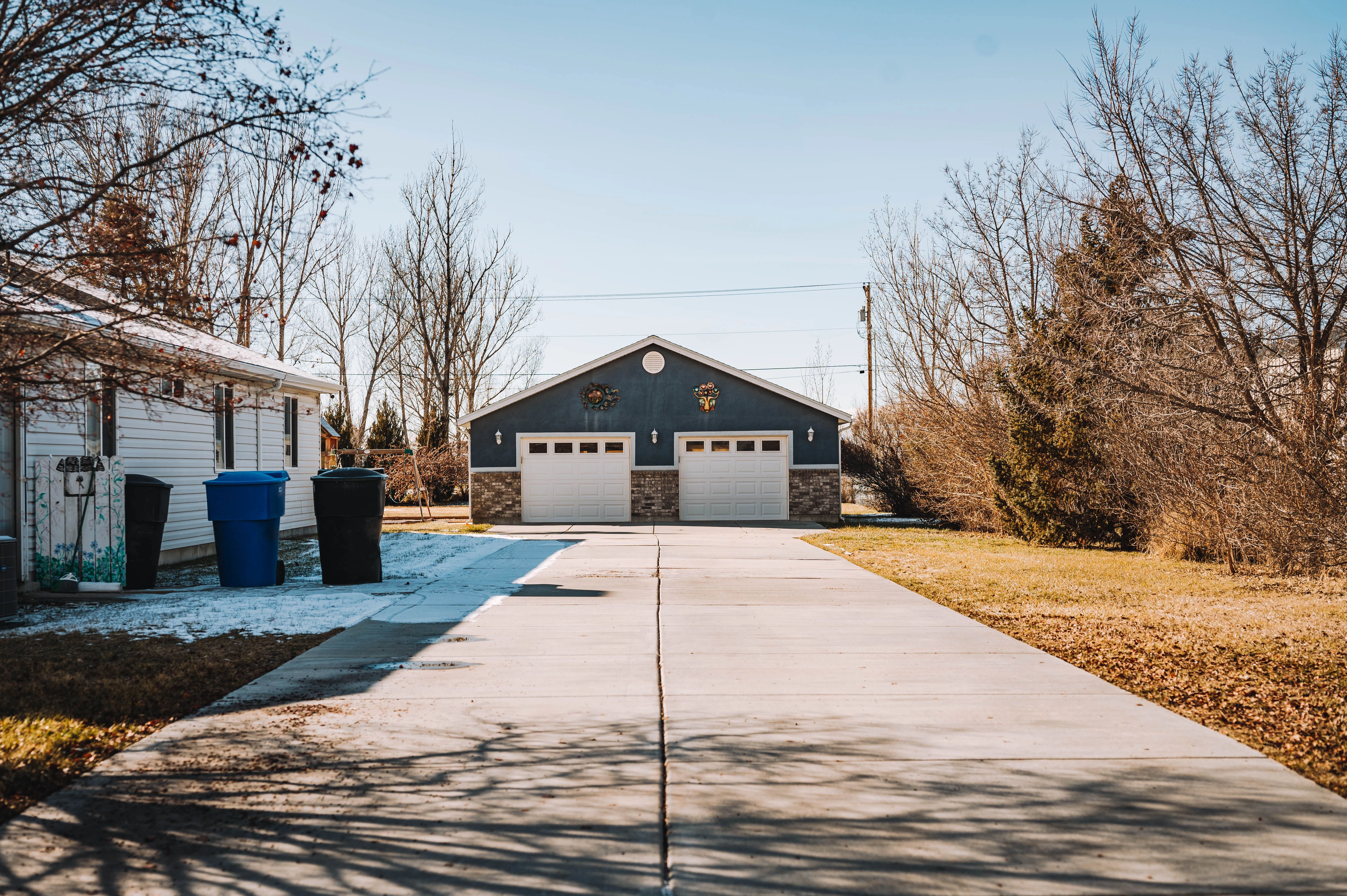
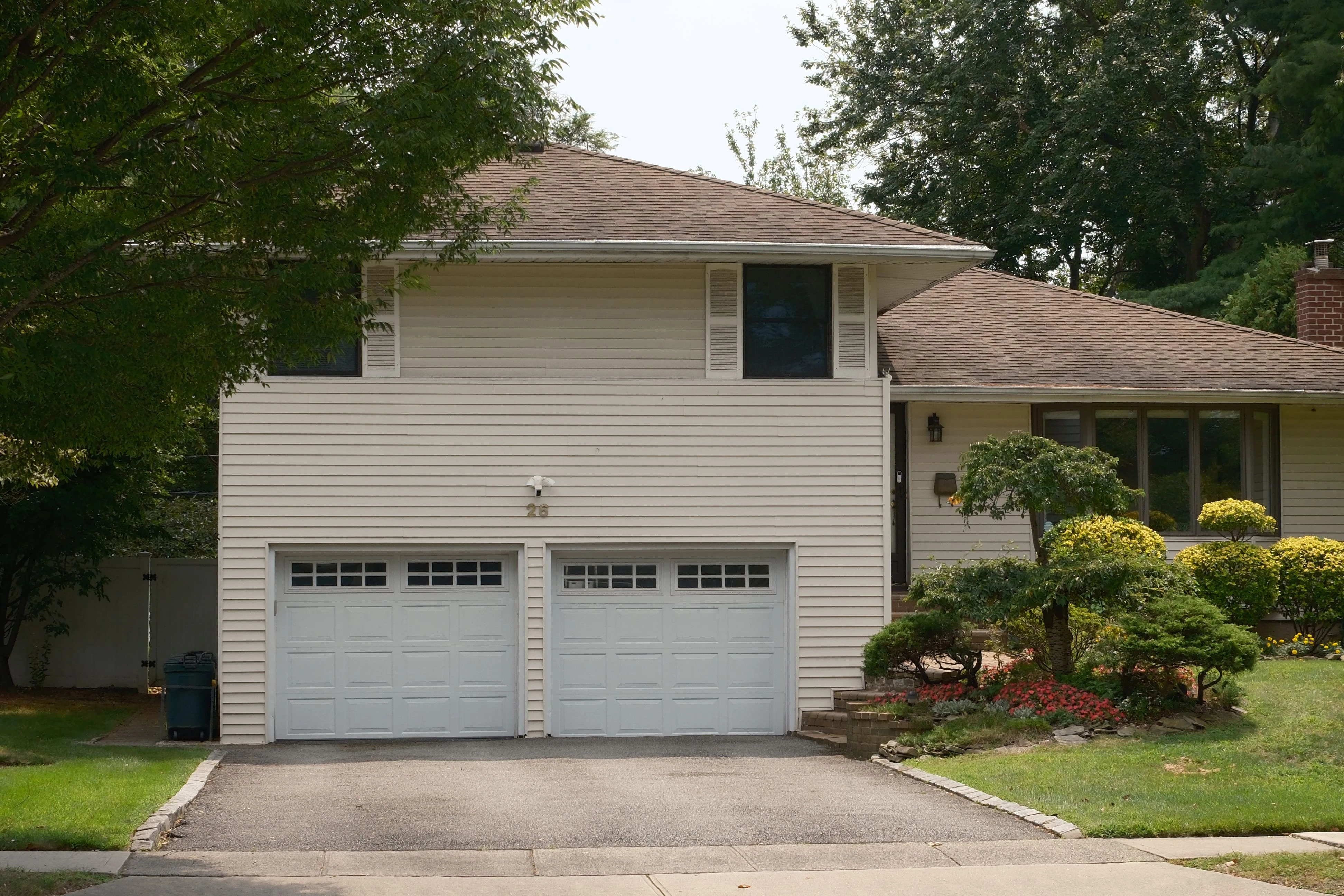
Lake in the Hills sits about 18 miles from our Arlington Heights shop, and the housing here tells a different story than most of the towns we cover. The median build year across this area's roughly 9,898 households lands around 1995, which is a couple decades newer than the 1977 median across the wider service territory. That matters more than it sounds like it should.
A house built in 1995 came with a garage door that already met the 1993 federal rule requiring photo-eye sensors on residential openers, and it almost certainly shipped with a steel raised-panel door on extension or torsion springs sized for a lighter, foam-core panel rather than the heavier wood or hollow-steel slabs common in older stock. Median household income here runs about $113,491, a bit above the roughly $109,454 median across the broader area, and that tracks with what we usually find inside these garages: original builder-grade openers that ran fine for 20-plus years and are now hitting the point where the logic board, not just the motor, starts to go. If your house here was built in the 1990s, you're not dealing with the same door problems as someone in a 1960s ranch three towns over.
The area
Common Jobs Here
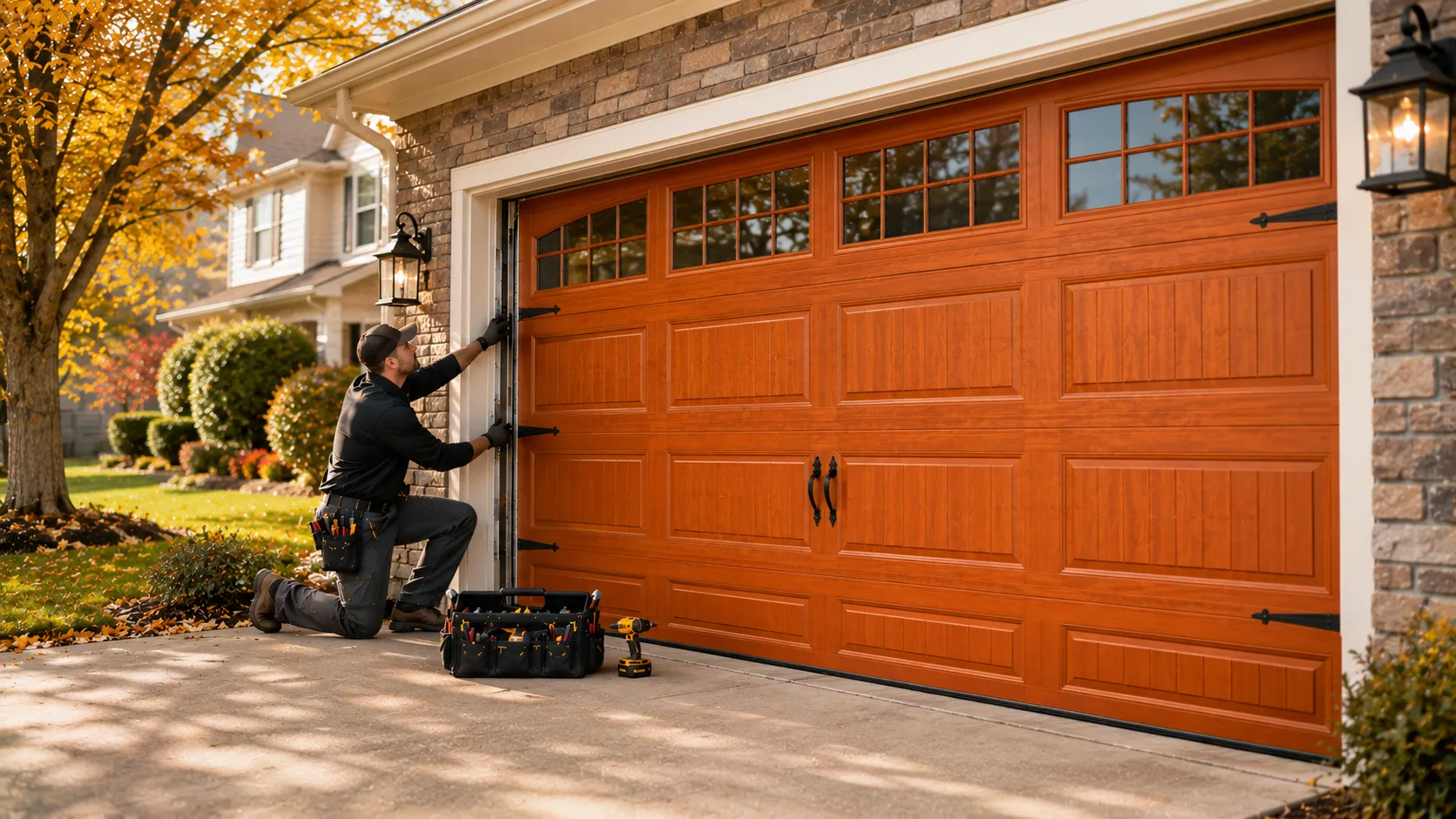
The calls we get from this pocket skew toward openers rather than door structure. A 1995-era door on its original torsion spring is now roughly 30 years into hardware that's typically rated for 10,000 cycles, and springs of that age are due whether or not they've broken yet. We also see a lot of chain-drive openers from that build era losing their sensor alignment or grinding down internal gears - the plastic sprocket inside the motor housing wears out long before the motor itself quits.
Compare that to older housing stock built in the 1960s and 70s, where the more common call is a warped wood panel or side-mounted hardware that nobody stocks anymore. Here it's usually a working door with a tired opener, or a spring that's aged out on a lighter-duty steel panel. Track and roller wear shows up too, especially on doors that get daily two-car traffic, but it's rarely the emergency call - it's the thing we catch while we're out for something else.
What we find
What Neighbours Usually Call About
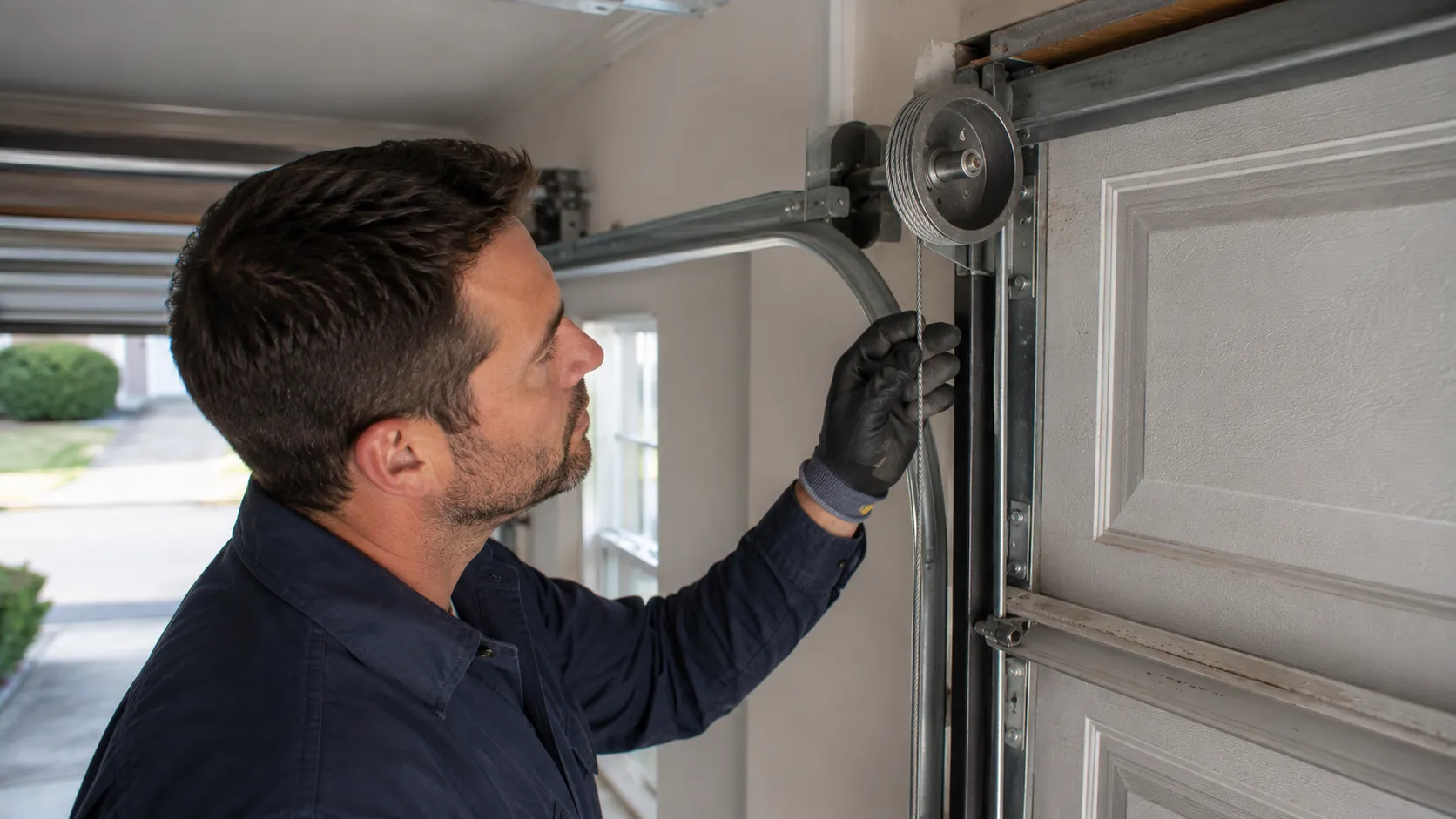
The two most common calls from this part of the coverage area are a garage door opener that runs but won't fully close, and a spring that lets go without warning on a double door. The first is almost always a sensor alignment issue or a worn logic board on a 1990s-era chain-drive unit that's simply reached the end of its service life. The second is a torsion spring finally failing after 25 to 30 years of cycles, which on a home built around 1995 is right on schedule.
We also field calls about doors that are noisy but not broken - usually dry or worn rollers on a door that otherwise still tracks straight, since the newer steel panels here hold their shape better than older stock. One honest limitation: if your opener's circuit board is failing and the model was discontinued years ago, we may recommend a full opener swap rather than chasing a part that's no longer made, since a new unit with current safety sensors often costs less than tracking down an obsolete board.
How we work
What the Housing Means for Your Door
Because this area's homes are newer than the regional median, the fixes tend to be more predictable and less improvised. You're not fighting a door that was never square to begin with, and you're not hunting for a bracket pattern that hasn't been made since the Ford administration. What you are managing is equipment aging out on a normal schedule - springs, cables, and openers that were installed once, in a tight build window, and are now hitting their end of life at roughly the same time across the neighborhood.
That's actually useful to know: if one door on your street needed a spring last year, yours is probably not far behind. Winters here still fall in the same severe cold band as the rest of the region, and cold makes steel contract and lubricant stiffen, which is often what turns a slightly worn part into a dead-stop failure on a January morning. Newer doors handle that better structurally than old wood panels, but the springs and openers inside them don't get a pass just because the house is younger.
 86 areas covered
Service areas
Other areas we cover near Lake in the Hills
Questions
Common questions
Do you have a shop in Lake in the Hills?
No, we run out of Arlington Heights, about 18 miles away, and travel out to Lake in the Hills for repairs and installs. We don't claim a local depot here - just noting the drive so you know what to expect on scheduling.
Are garage doors in Lake in the Hills different from older suburbs nearby?
Generally yes. Most homes here were built around 1995, well after the wider area's 1977 median build year, so you're more likely to have a steel panel door with factory photo-eye sensors rather than an older wood door or side-mounted hardware.
Why did my opener suddenly stop working with no warning?
On a house built in the mid-1990s, the opener is usually original or a first replacement, and logic boards in units that age fail without much notice. Sensor misalignment can look the same from the outside, so we check that first before assuming the board is dead.
Is it worth repairing an old opener instead of replacing it?
Sometimes. If the motor still runs strong and it's a sensor or wiring issue, repair makes sense. If the board itself has failed and the model is discontinued, we'll usually tell you straight that a new opener costs less than sourcing an obsolete part.
Ready when you are
Need a garage door sorted in Arlington Heights?
Arlington Heights Garage Door Pros repairs and installs garage doors, springs and openers in Arlington Heights, IL and the surrounding area.