
Guide
What Insulation-Era Housing Means for Your Garage Door
Arlington Heights homes date from 1938 to 2009, many from the 1960s-70s wave, before current insulation and code standards for garage doors and openers.
Local detail
How Local Conditions Play In
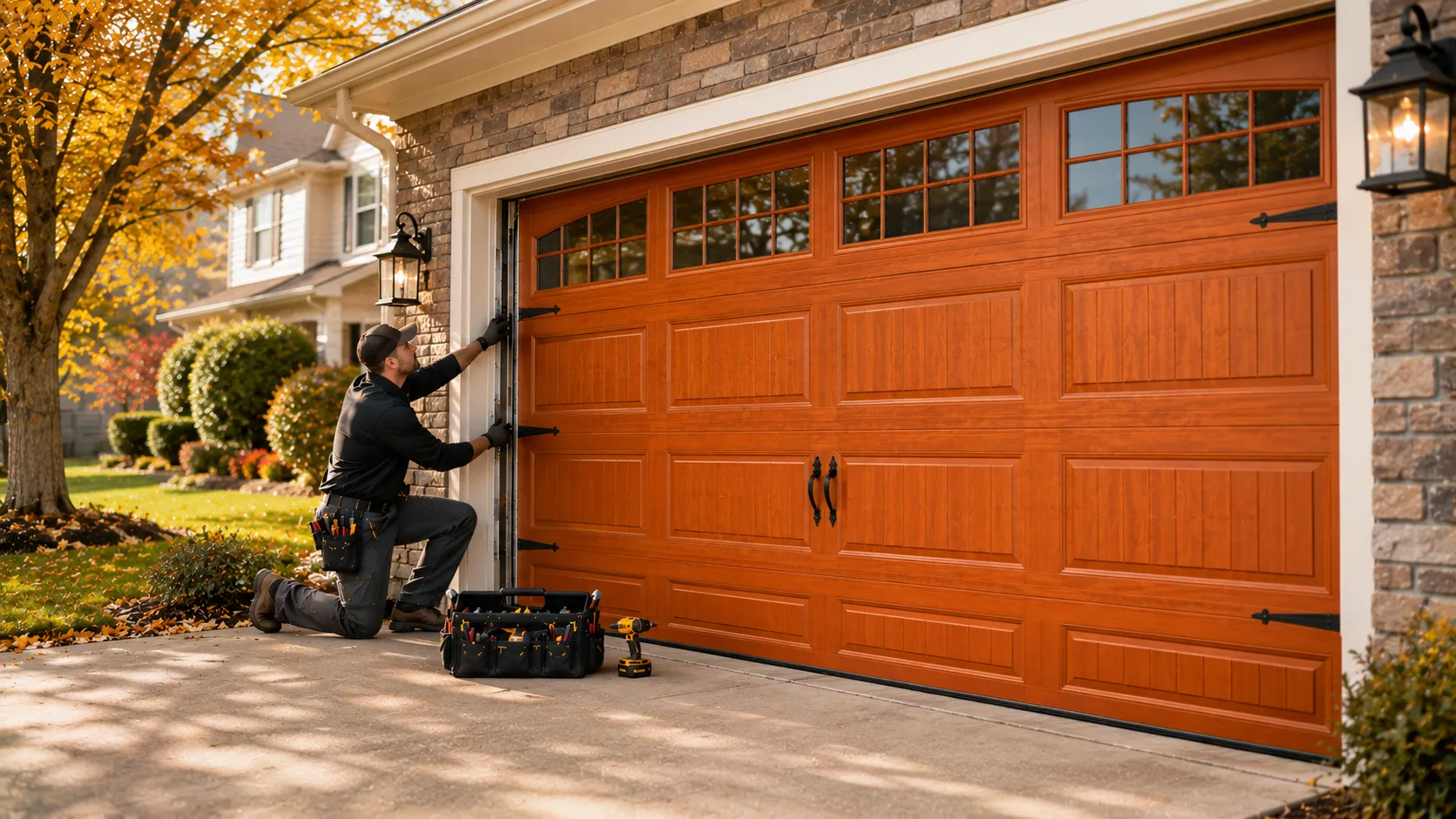
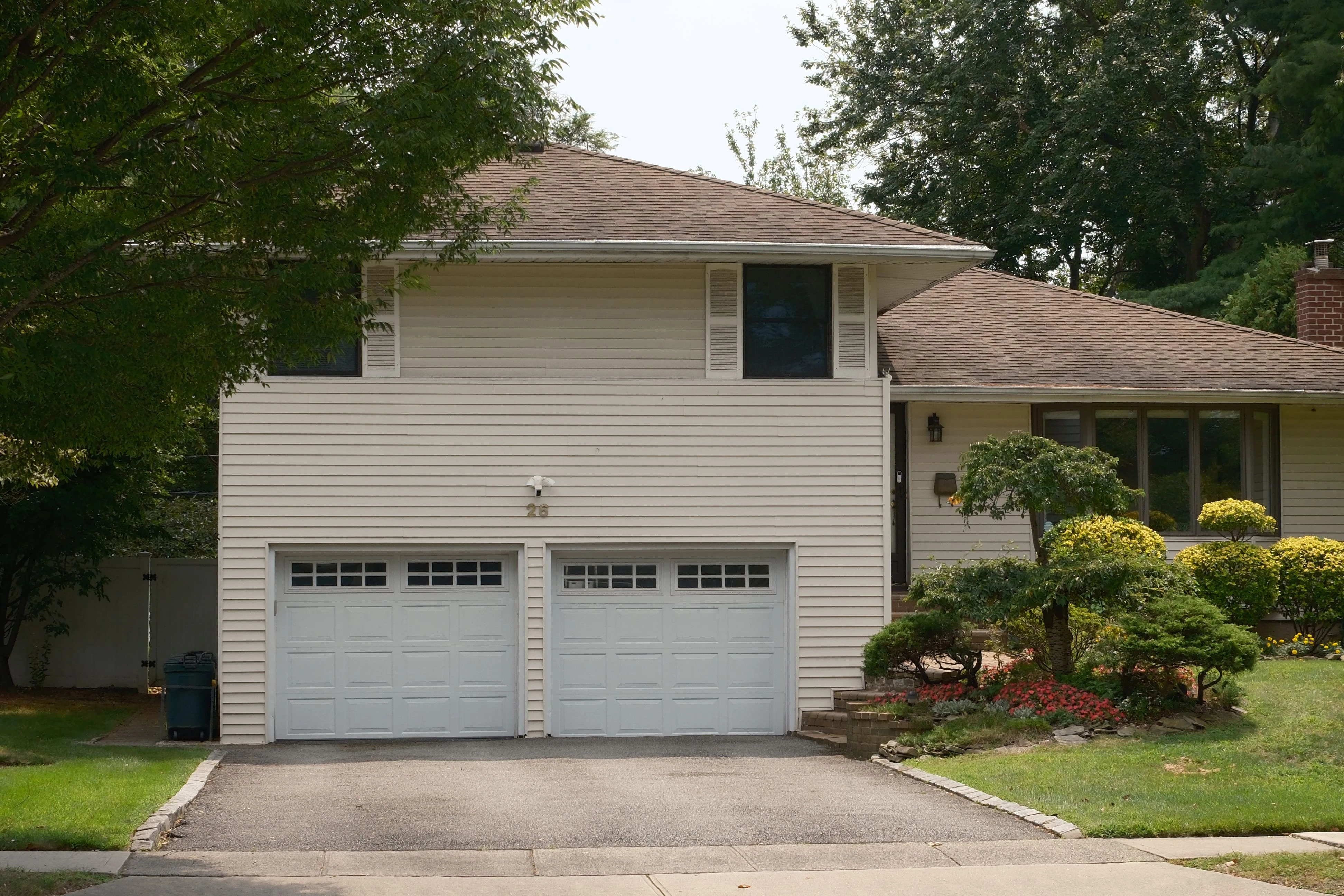
Housing in this part of Arlington Heights runs from 1938 up through 2009, but the bulk of it clusters in the 1960s and 70s build wave that shaped most of the 86 named areas around here. That matters because garage door insulation standards weren't part of typical construction until well after that window. A door installed on a house from that era is almost always a single layer of steel, no foam core, no thermal break at the seams. Pair that with a cold-severe climate and you get a door skin that transfers outside temperature straight into the garage, and often into a shared wall with the house.
On a night when the wind chill drops hard, an uninsulated panel can make the garage 15 to 20 degrees colder than an insulated one right next to it. It's not a defect, it's just what building standards allowed at the time. If your house falls in that 1960s-70s band, the door you're looking at was probably never built to hold heat in the first place, and any weatherstripping or bottom seal on it is fighting a design problem, not just wear.
The area
When It Stops Being a DIY Job
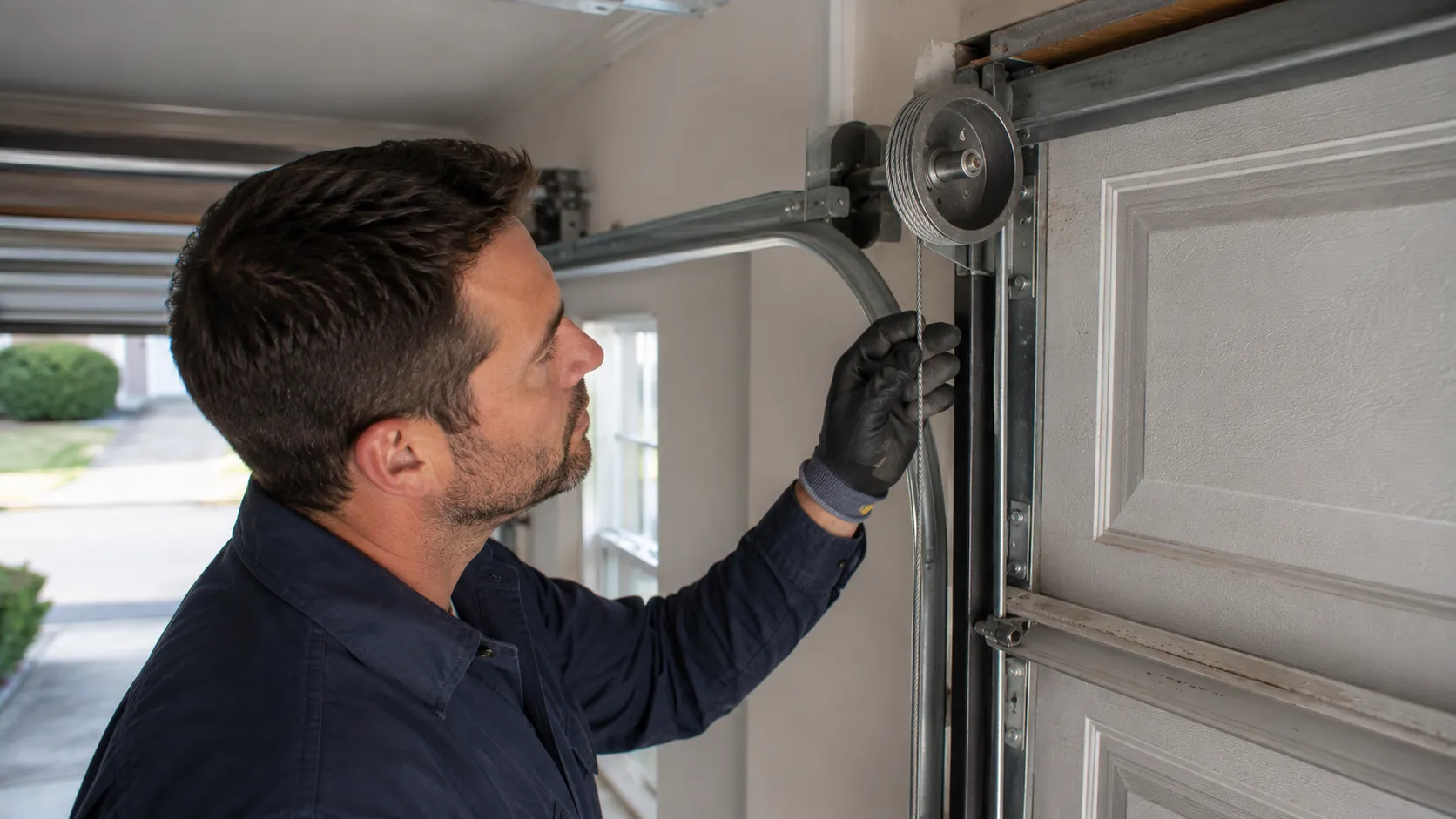
A worn bottom seal or a bent stop molding is a fair weekend fix. A torsion spring set up for the original steel door on a house from the 1960s-70s stock is not. That hardware was sized for the weight of a single-layer panel, and swapping in a heavier insulated door without recalculating spring wind and drum size is how cables jump their groove or a shaft snaps under load. The cold-severe climate makes this worse in winter, since cold steel is more brittle and springs under tension fail with more force when they let go.
If you're touching anything with the torsion spring, the cable drums, or the track mounting on a house built before insulation rules were common, that's the point to call it in rather than push through. The honest limit here: we don't recommend DIY spring work on any door regardless of age, this isn't specific to older houses, it's just true of torsion systems generally. What is specific to this housing stock is that the original brackets and jamb framing weren't built with a heavier insulated replacement door in mind, so a swap often means adjusting the frame too, not just bolting on a new panel.
What we find
Doing Nothing For Now
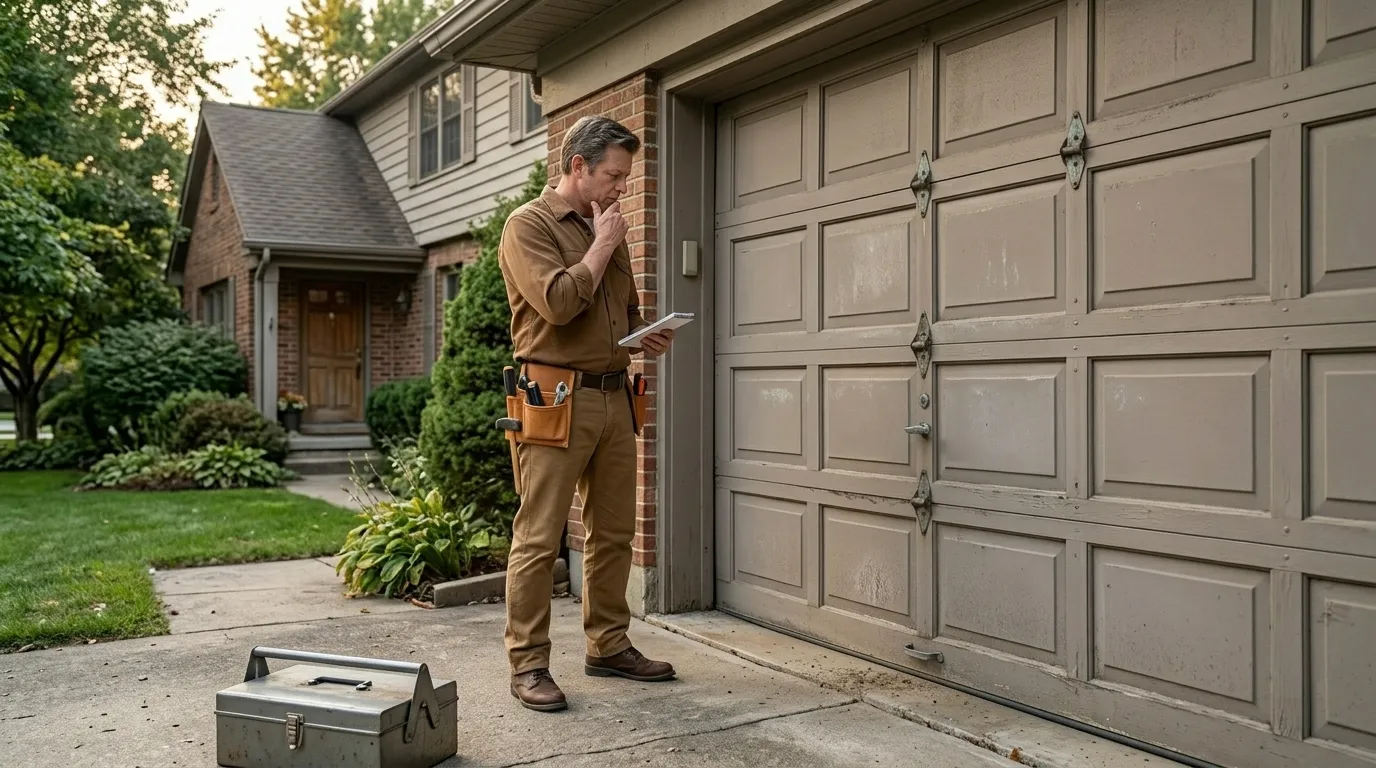
Not every older door needs to come out this year. If the panel is sound, the track is straight, and the only issue is heat loss, an insulation retrofit kit or a better bottom seal can buy real time on a house from the 1970s stock without a full replacement. That's a fair call for a lot of the housing in this area, where median build year sits around 1977 and the door itself may still have decades of mechanical life left in the panel and hinges even if it was never insulated to begin with.
Where it stops being worth waiting is when the steel itself has started to pit or the seams have separated enough that no amount of sealing keeps the cold out, or when the opener is straining because the door has gotten heavier from moisture over the years. In a cold-severe climate, a door that's already marginal in October usually fails in January, not gradually. So doing nothing is a reasonable short-term plan on a structurally sound older door, but it's not a plan for a door that's already showing rust at the bottom panel or drag in the track.
How we work
What Is Going On
The short version: a lot of the houses in this service area, and in nearby Prospect Heights, Mount Prospect, and Wheeling, were built in the same general window, mostly the 1960s and 70s, with the full range running from 1938 to 2009. Garage doors installed during that main build period predate the insulation and thermal-break standards that are now common on replacement doors. That's not a flaw specific to one house, it's a pattern across the housing stock in this part of the area, which includes roughly 223,811 owner-occupied houses among the 454,992 households the area covers.
Combine that construction era with a cold-severe climate and the gap between an original 1970s door and a modern insulated one becomes noticeable in a way it wouldn't in a milder region. With a median household income of $109,454 in the area, replacement with a properly insulated door is within reach for a lot of owners here, but it's a decision worth making based on the actual condition of the panel and hardware, not just the age on paper.
Questions
Common questions
Is my garage door old enough to lack insulation?
If your house was built anywhere in the main 1960s-70s wave common to this area, the original door almost certainly has no foam core or thermal break, since those weren't standard features yet. Houses at the newer end of the 1938-2009 range are more likely to already have an insulated door installed from the start.
Will an insulated replacement door fit my old opener and track?
Sometimes, but not always. Insulated doors weigh more than the single-layer steel doors common on older houses here, and older openers and torsion springs were sized for the lighter panel. We check the existing hardware before quoting a swap rather than assuming it carries over.
Does the cold-severe climate here actually matter for door choice?
Yes. An uninsulated panel in a cold-severe climate transfers outside temperature into the garage fast, which affects anything stored there and any shared wall with living space. It also makes brittle old springs more likely to fail hard in winter than in a milder climate.
Can I just add weatherstripping instead of replacing an old door?
On a structurally sound door with straight track and no rust, a better bottom seal or an insulation retrofit kit can hold you over for years. It won't match a true insulated panel, but it's a fair stopgap on housing stock from the 1960s-70s era if the bones of the door are still good.
Ready when you are
Need a garage door sorted in Arlington Heights?
Arlington Heights Garage Door Pros repairs and installs garage doors, springs and openers in Arlington Heights, IL and the surrounding area.