
Guide
What We Check First on an Arlington Heights Garage Door
How a technician orders the checks on an Arlington Heights garage door, shaped by the area's 1938-2009 housing stock and the severe cold-climate swings that stress springs and openers.
Local detail
How Local Conditions Play In
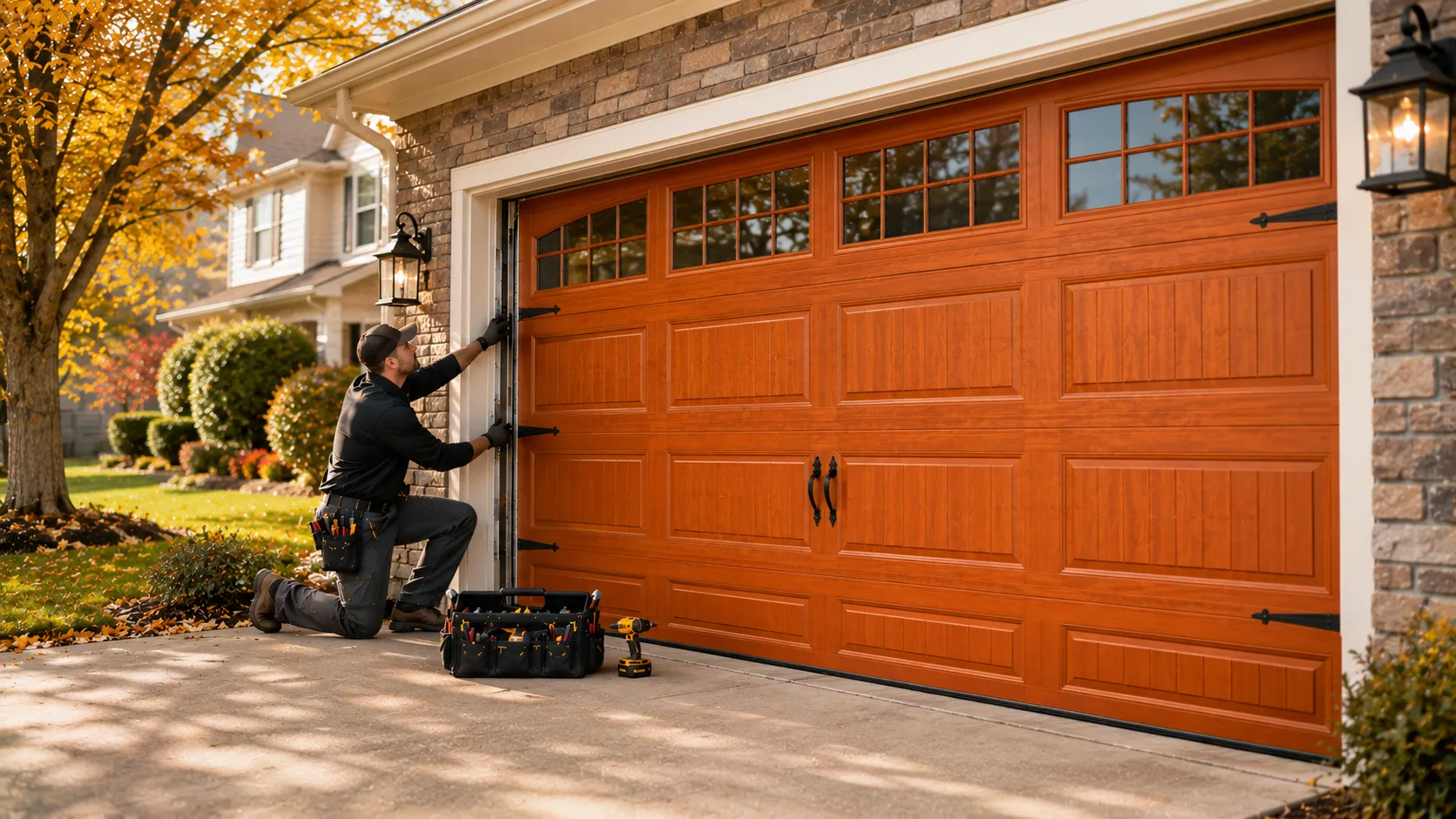
Arlington Heights sits in a cold-climate band rated severe, and that matters more to a garage door than most homeowners think. Steel torsion springs lose tension faster when they're cycling through hard freezes and spring thaws over and over, and the grease in an older opener gearbox thickens up in a cold garage, making the motor work harder to lift the same door it lifted fine in July. That's why the first check is never the opener itself - it's whether the spring is still doing its job before the motor has to compensate.
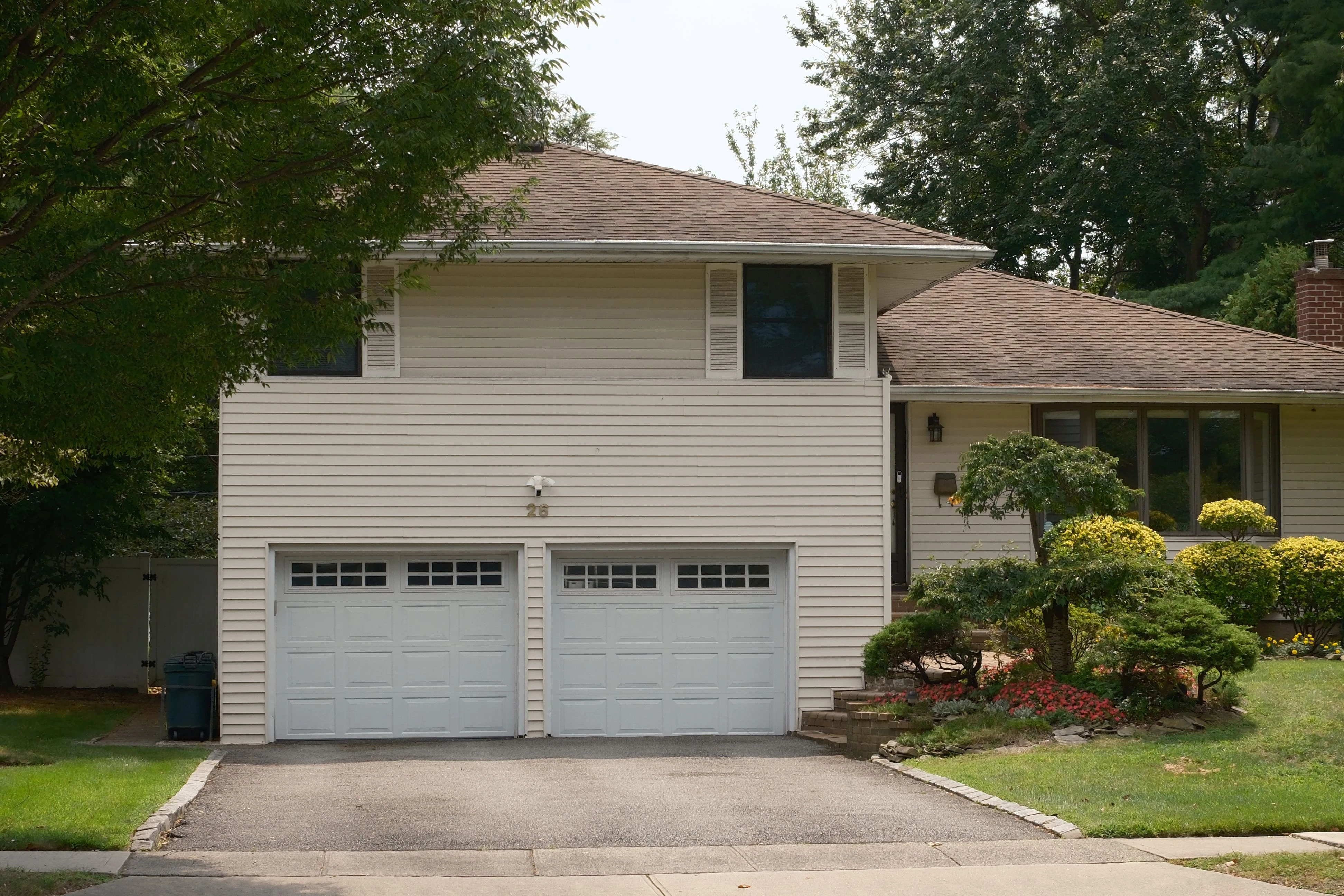
Housing stock plays into this too. Homes in this area were built anywhere from 1938 up through 2009, with the median landing around 1977, so a large share of the doors we open up are original equipment on houses now pushing fifty years old. A single-spring torsion setup from that era wasn't built for the double-car steel panels a lot of owners have since upgraded to, and the mismatch between an old spring and a newer, heavier door shows up fastest in cold weather, right when you need the door most.
The area
When It Stops Being a DIY Job
A door that's noisy or slow to close is often a five-minute lubrication fix, and we won't pretend otherwise. But once a spring is visibly stretched, gapped, or rusted through - which happens sooner here given the winter swings - winding or replacing it is not a homeowner job. Torsion springs store enough force to break bones, and that risk doesn't scale down because the door looks old rather than new.
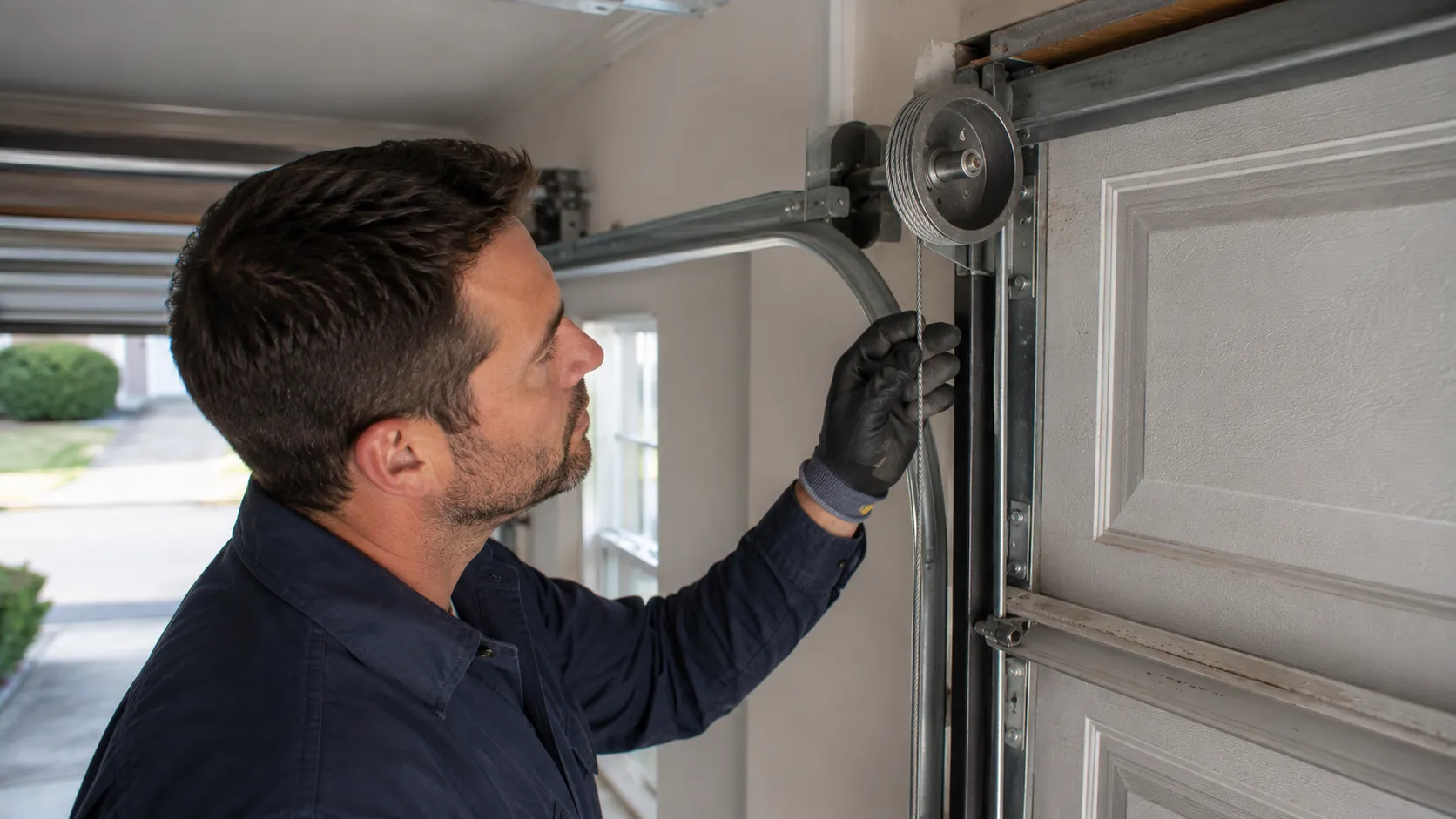
The other line we draw is around houses with original 1960s-70s hardware, which describes a lot of the stock in this area. Galvanized cable and worn pulleys on a door that old can fail without warning, and once one cable snaps under tension, the door comes down unevenly and can jump the track. If your door was installed before your kids were, or before you owned the house, that's the point where a call beats a wrench.
What we find
Doing Nothing For Now
Not every noisy door needs a truck out that week. If a door built during the 1960s-70s boom in this area is still opening and closing square, tracking straight, and the spring shows no visible wear, waiting a season is often the right call - we'd rather tell you that than sell a repair you don't need yet.
Where we won't wait: if the door is original to a house from that same era and you're already noticing the opener straining more in cold months than it did last winter. That strain is usually the spring losing tension, not the motor failing, and a spring that's already marginal tends to let go without notice. Given the median household income here runs around $109,454, most owners we talk to would rather spend on a scheduled spring swap than an emergency call after it snaps. That's a judgment call specific to the door in front of us, not a blanket rule.
How we work
What Is Going On
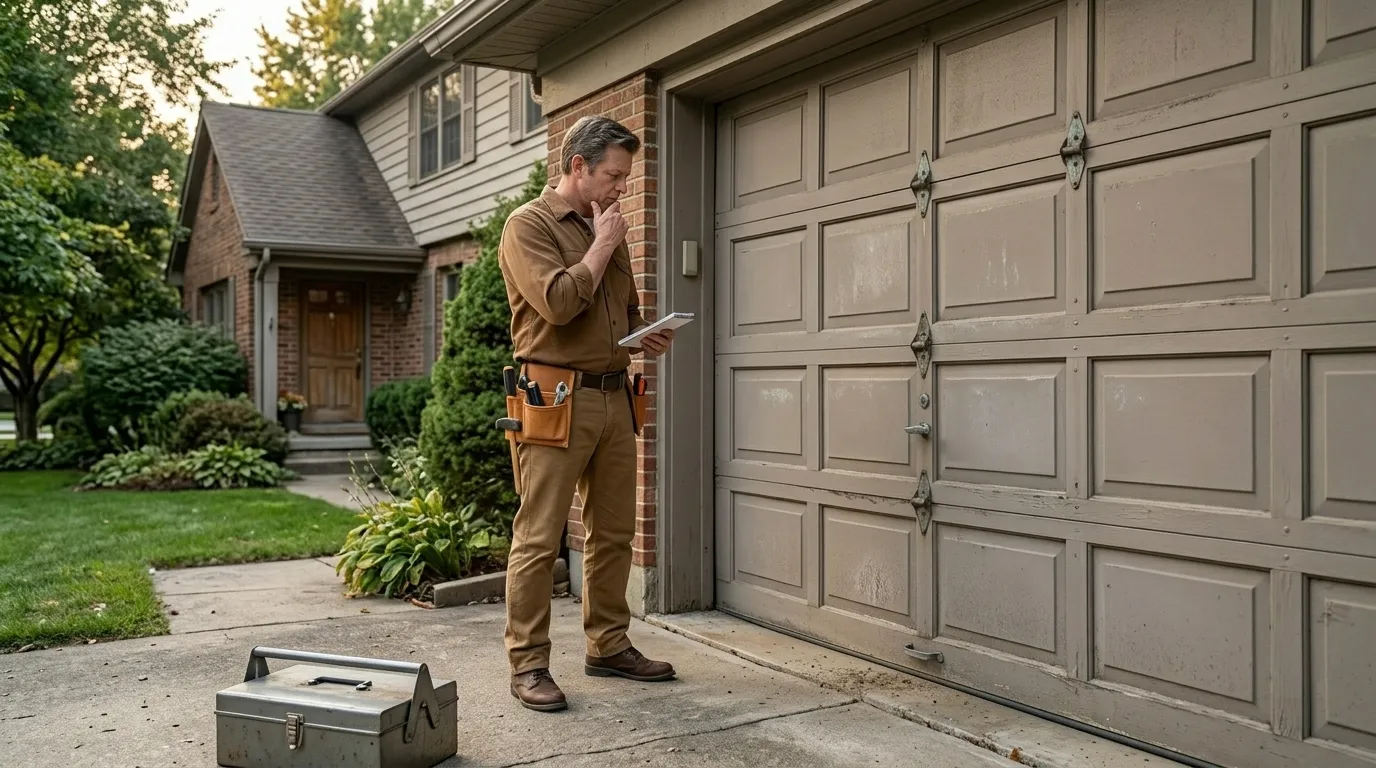
The order we check things in isn't random. Spring first, because a fifty-year-old torsion spring in a cold-climate house is the single most likely point of failure, and it's also the most dangerous to leave wrong. Cables and pulleys second, since those wear alongside the spring and show similar age-related fatigue on the older stock common across this area's 86 named neighborhoods.
Track alignment third - cold ground can shift a slab foundation slightly over decades, and on a house built well before 2000 that shift has had time to nudge the track out of square. Opener last, because in most calls here the motor is doing exactly what it's built to do; it's just fighting hardware that's overdue for attention. Skipping that order and jumping straight to the opener is how people end up replacing a motor that was never the problem.
Questions
Common questions
Why does my garage door get harder to open in winter?
Cold makes torsion springs lose tension faster and thickens the grease in older opener gearboxes, so the motor has to work harder to lift the same door. On houses in this area built before the 2000s, that combination often means the spring, not the opener, is the real issue.
Is it worth fixing an original garage door on an older house here?
It depends on the door's condition, not just its age. If the spring and cables show no wear and the door tracks straight, a repair usually makes more sense than replacement. Once original 1960s-70s hardware starts failing, replacement often costs less over time than chasing parts.
How do you decide what to check first on a service call?
We start with the spring, since it's the most common failure point on the older housing stock in this area and the most dangerous if it lets go. Cables, track alignment, and the opener follow in that order.
Ready when you are
Need a garage door sorted in Arlington Heights?
Arlington Heights Garage Door Pros repairs and installs garage doors, springs and openers in Arlington Heights, IL and the surrounding area.