
Guide
Detached vs Attached Garage Doors, and Why It Matters Here
How Arlington Heights' 1938-2009 housing stock and cold-climate winters change what a detached vs attached garage door needs, from framing to insulation.
Local detail
How Local Conditions Play In
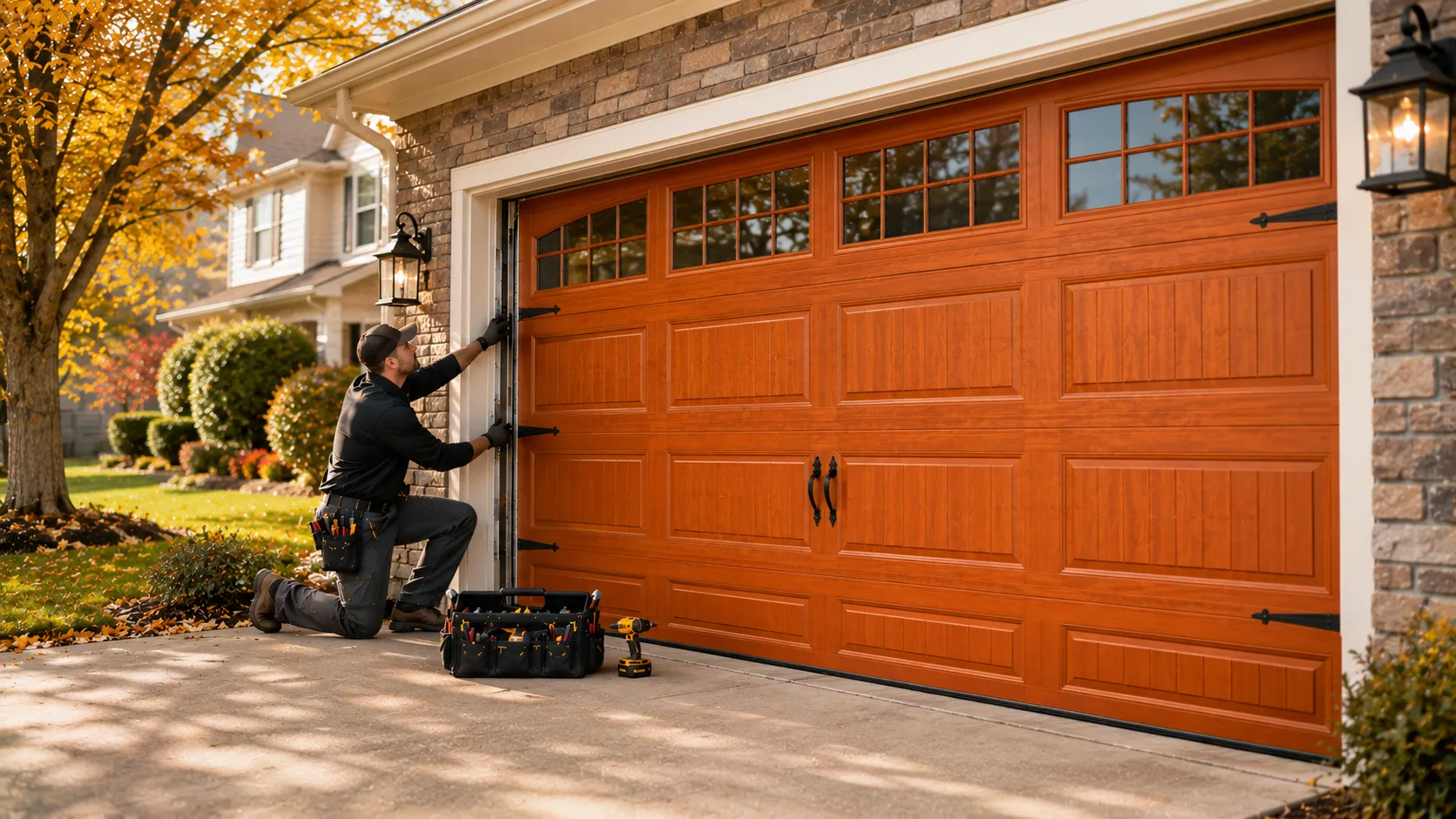
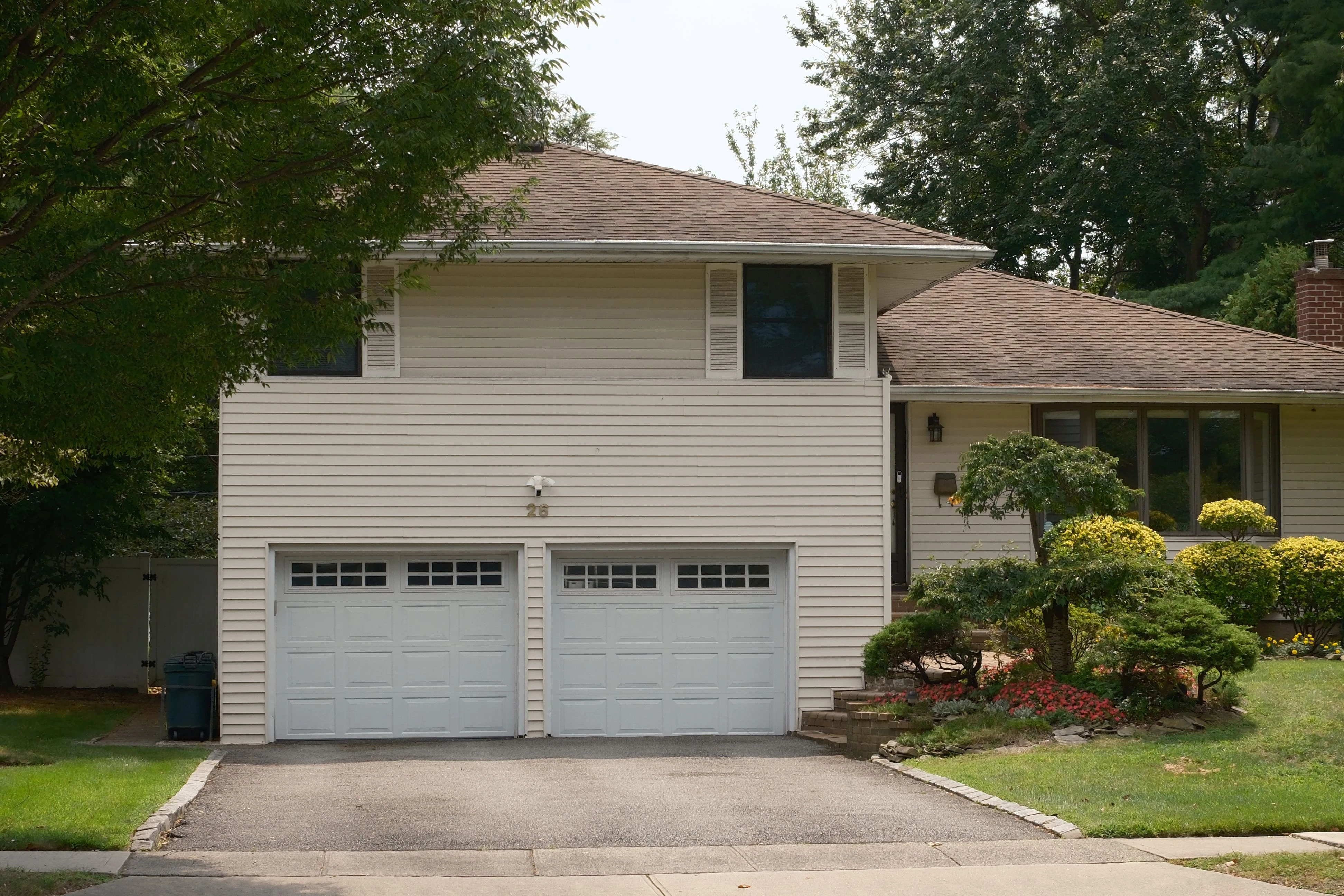
Arlington Heights has a mix of housing built between 1938 and 2009, with most of it going up during the 1960s and 70s boom. That matters more than people think when you're comparing a detached garage to one built onto the house. A detached structure from that era was usually framed light - it wasn't holding up a second story or sharing a wall with living space, so the header over the door opening is often smaller than code would call for today.
An attached garage from the same years usually has a heavier header because it's tied into the house framing, but it also shares a wall with conditioned space, which means the door itself does more work keeping cold air out of the house, not just the garage. This is a severe-cold climate area, so that difference in framing and in how much the door has to seal against isn't cosmetic - it changes what door thickness and weatherstripping actually make sense on each type of structure. A door that's fine on a detached garage that nobody heats can be the wrong pick on an attached one where the shared wall runs cold all winter.
The area
When It Stops Being a DIY Job
On a detached garage, a sagging header or a track pulling away from the framing is usually a standalone repair - annoying, but contained. On an attached garage, the same symptom can mean the door is transferring stress into the house wall it shares, and that's not something to chase with a torque wrench on a Saturday. If you've got a house from the 1960s-70s stock that makes up most of this area, the original opening may never have been sized for a heavier insulated door, and swapping one in without checking the header and jamb is how you end up with a door that binds in the cold and won't seat in the summer.
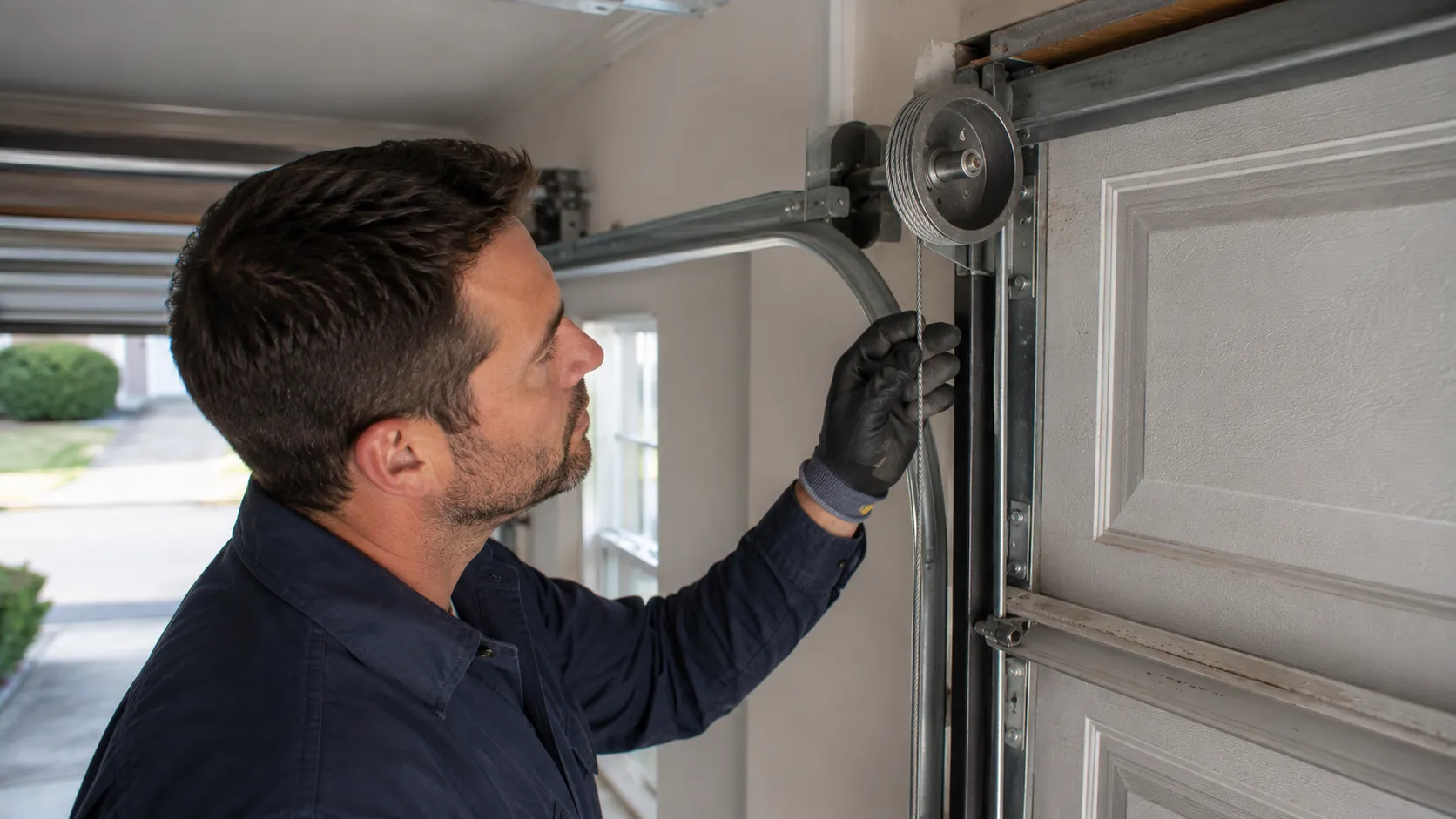
Torsion springs, in particular, are not a DIY repair on either structure - the spring is under enough tension to cause serious injury, and that's true whether the garage is attached or standalone. If your opener is straining, the door is off its rollers, or the panels are racking, that's a call, not a project.
What we find
Doing Nothing For Now
Not every issue needs a truck out the same week. A detached garage door that's cosmetically dented but still tracks straight and seals can wait - it's not heating anyone's living room, so a slow leak of cold air around the edges is a comfort issue for the garage, not the house. An attached garage door showing the same wear is a different call, because that seal is standing between outdoor air and a wall of the house in a climate band that runs severe cold.
If the door still closes flush and the weatherstripping hasn't cracked, you can reasonably put off replacement another season. What you shouldn't ignore on either type is a spring that's visibly stretched or a cable that's frayed - those don't get better with time, and they're the calls that turn into an emergency instead of a scheduled one.
How we work
What Is Going On
A lot of the service calls in this area come down to the age of the opening itself. With housing built mostly from 1938 through 2009 and a median build year of 1977, a large share of garages - attached and detached both - were framed for a door style and weight that predates today's insulated steel sections. On a detached garage that's a simpler fix: the structure isn't load-bearing for the house, so you can often resize or reinforce the opening without touching interior walls.
On an attached garage, that same header work means opening up a wall shared with the house, which is a bigger job and one where the household income levels typical in this area ($109,454 median) can support a proper fix rather than a patch. We don't do interior wall framing or drywall repair - if the header work on an attached garage needs that, we'll tell you before we start, not after.

Questions
Common questions
Does an attached garage door need to be more insulated than a detached one here?
Usually yes. An attached garage shares a wall with living space, and in a severe-cold climate like this one, a poorly sealed door on that shared wall lets cold air work into the house. A detached garage door mainly needs to protect what's stored inside, so the insulation trade-off is different.
Why does the age of my house matter for the garage door?
Most Arlington Heights homes were built in the 1960s and 70s, with the overall stock running from 1938 to 2009. Openings framed in that era often weren't sized for today's heavier insulated doors, so a straight swap can bind or need header work, especially on attached garages.
Can I replace a detached garage door myself?
The door panels, maybe. The torsion spring, no - it's under high tension regardless of whether the garage is attached or detached, and it's the most common cause of serious injury in DIY garage door work. That part of the job is worth a call.
Is it worth fixing an old door on a detached garage or replacing it?
If the frame and header are sound and the door tracks straight, a repair often makes sense, especially since a detached structure isn't heating the house. If the opening itself needs resizing for a modern door, replacement usually pencils out better than repeated patch repairs.
Ready when you are
Need a garage door sorted in Arlington Heights?
Arlington Heights Garage Door Pros repairs and installs garage doors, springs and openers in Arlington Heights, IL and the surrounding area.