
Arlington Heights, IL
Garage Door Repair Built Around Arlington Heights Houses
Torsion springs, openers, and tracks fail differently on Arlington Heights homes built 1938-2009. We diagnose the cold-weather causes and fix the actual problem.
What we do
Garage door work in Arlington Heights
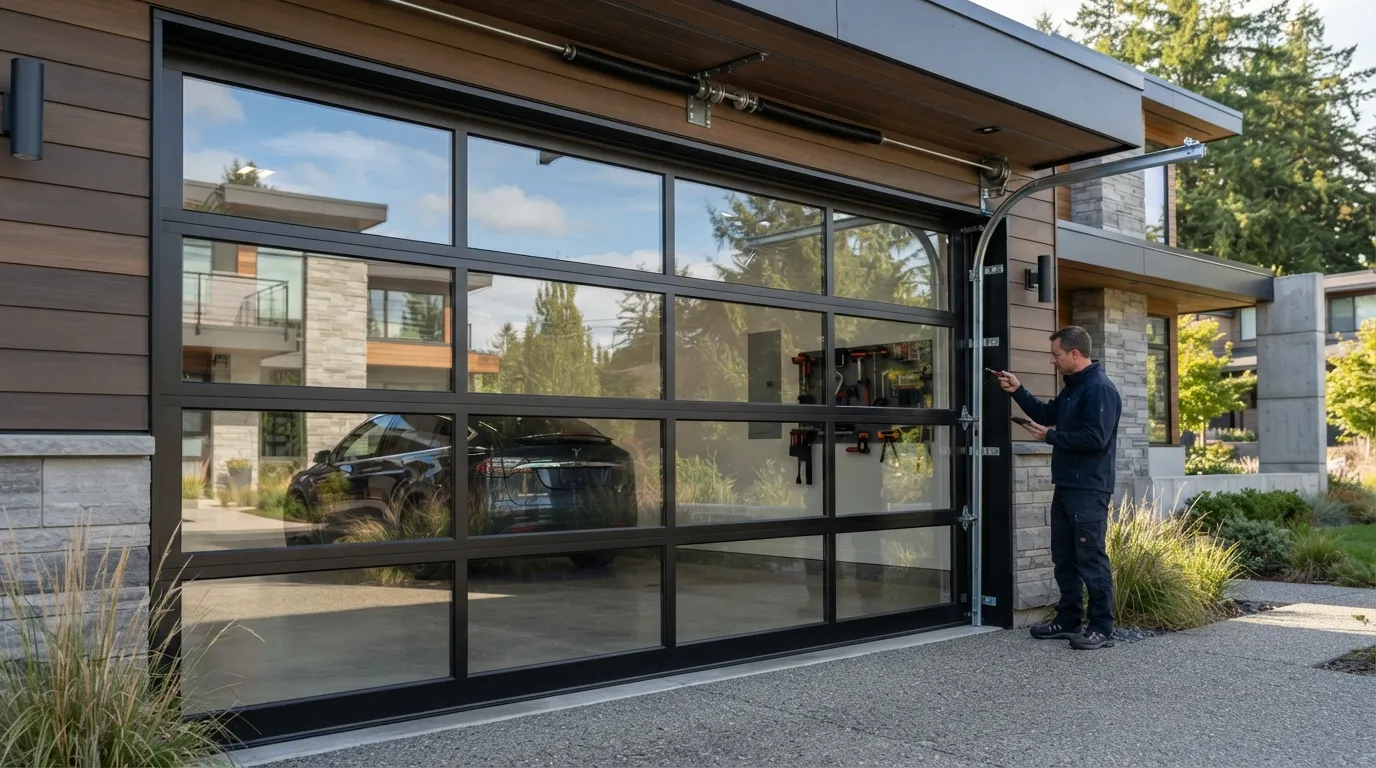
Garage Door Installation for Arlington Heights Homes
New garage door installation for Arlington Heights homes built 1938-2009, sized for older tracks, cold-climate seals, and openers that match the original header height. Learn more →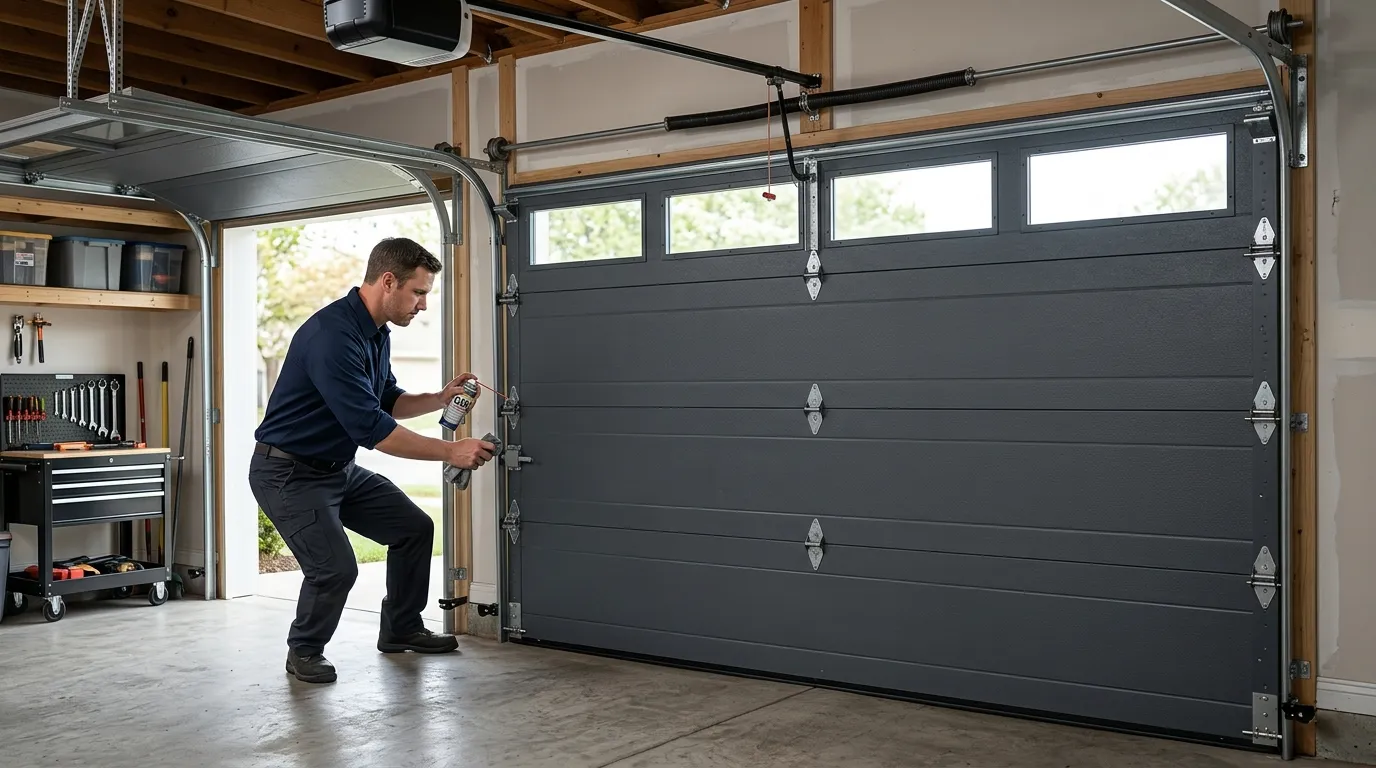
Garage Door Service for Arlington Heights Homes
Torsion spring and opener service for Arlington Heights homes built mostly in the 1960s and 70s, where cold winters put extra load on original garage door hardware. Learn more →Local detail
The Complications
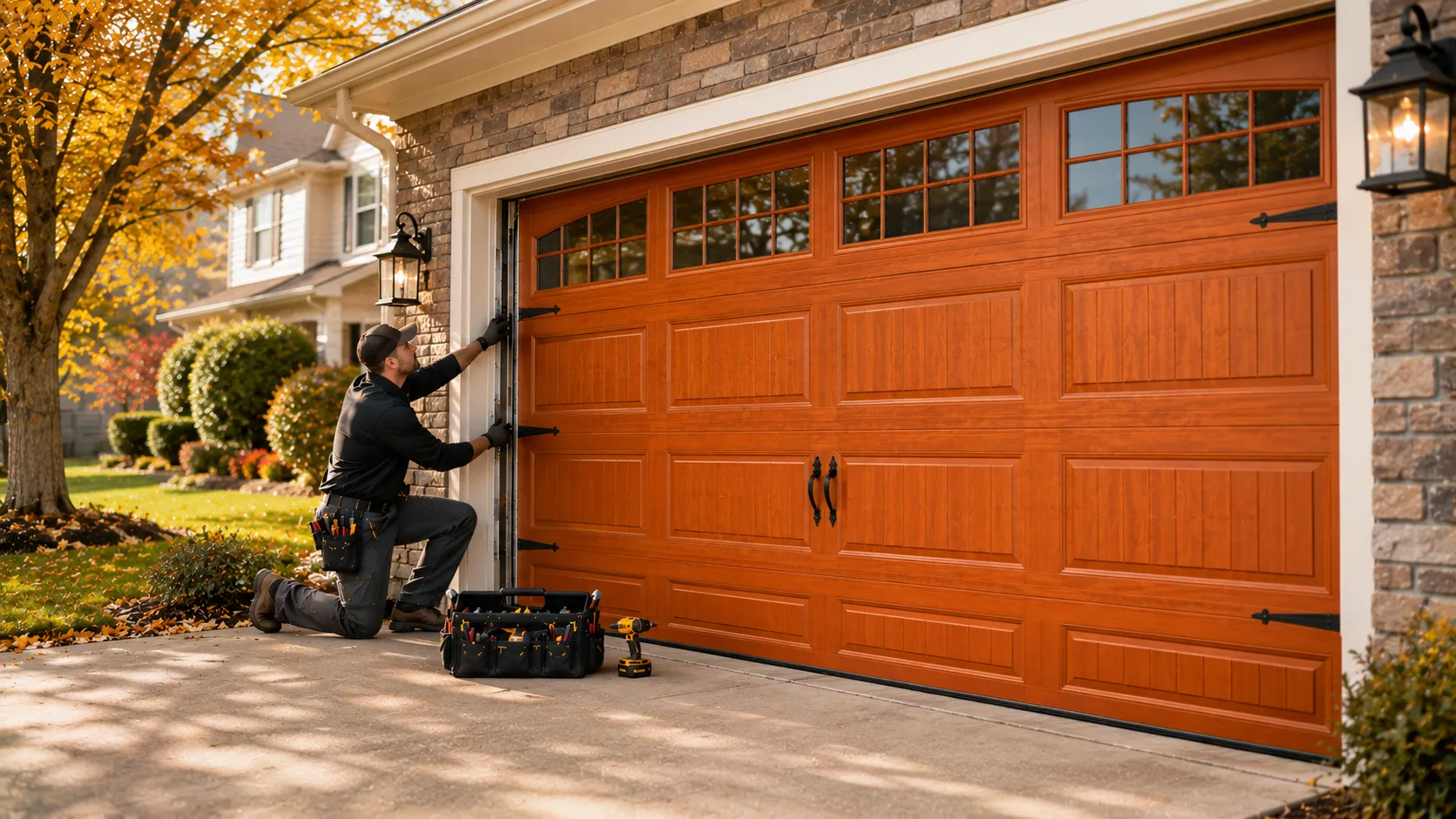
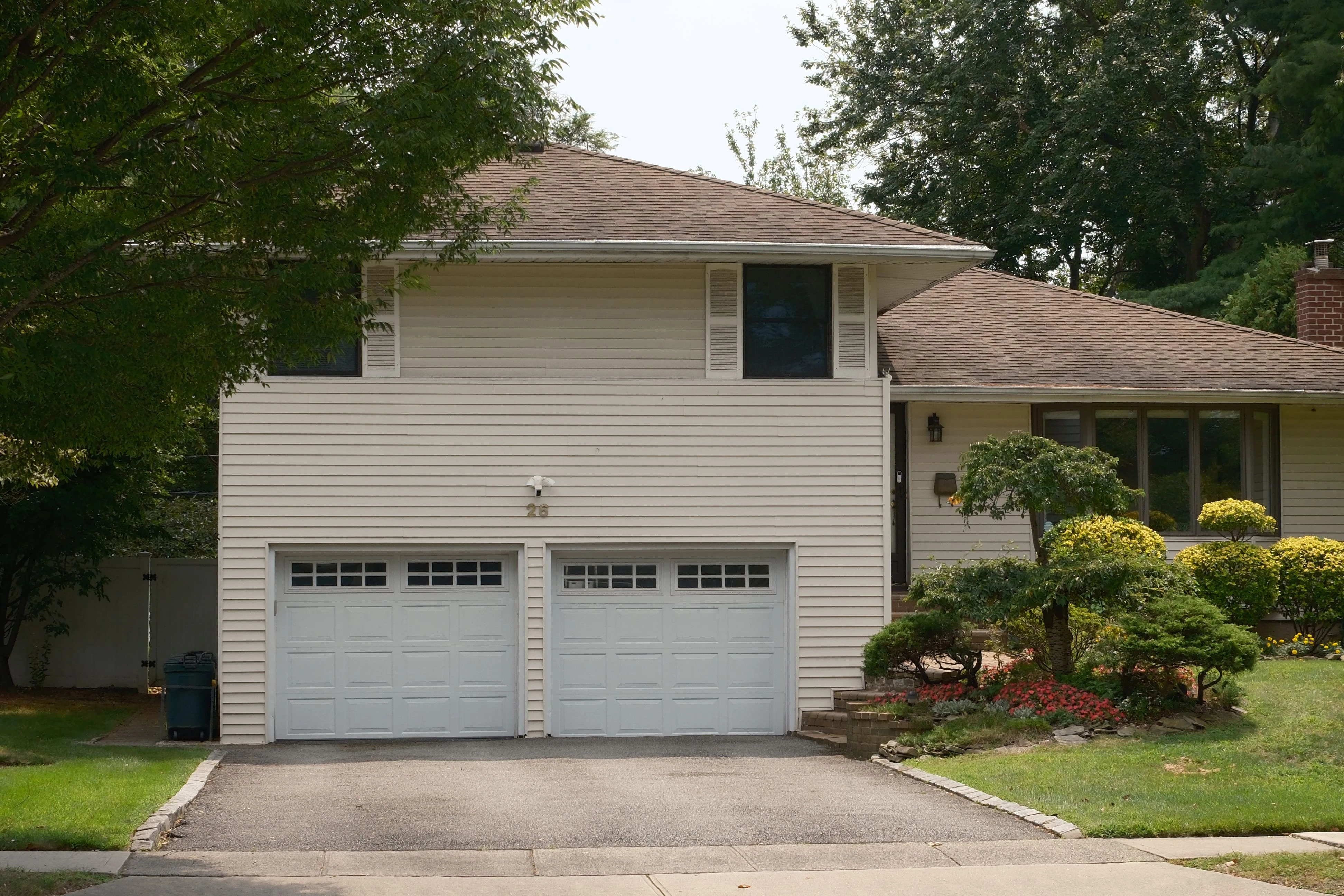
Most garage door problems here don't start with the door. They start with a house built decades before anyone thought about insulated panels or nylon rollers. Housing in this service area went up mostly between 1938 and 2009, with the median build year sitting around 1977, and a lot of that stock is 1960s and '70s construction. That means original torsion springs sized for a lighter door, steel tracks that were never leveled for today's heavier insulated panels, and openers bolted to framing that's shifted a little over fifty-plus years.
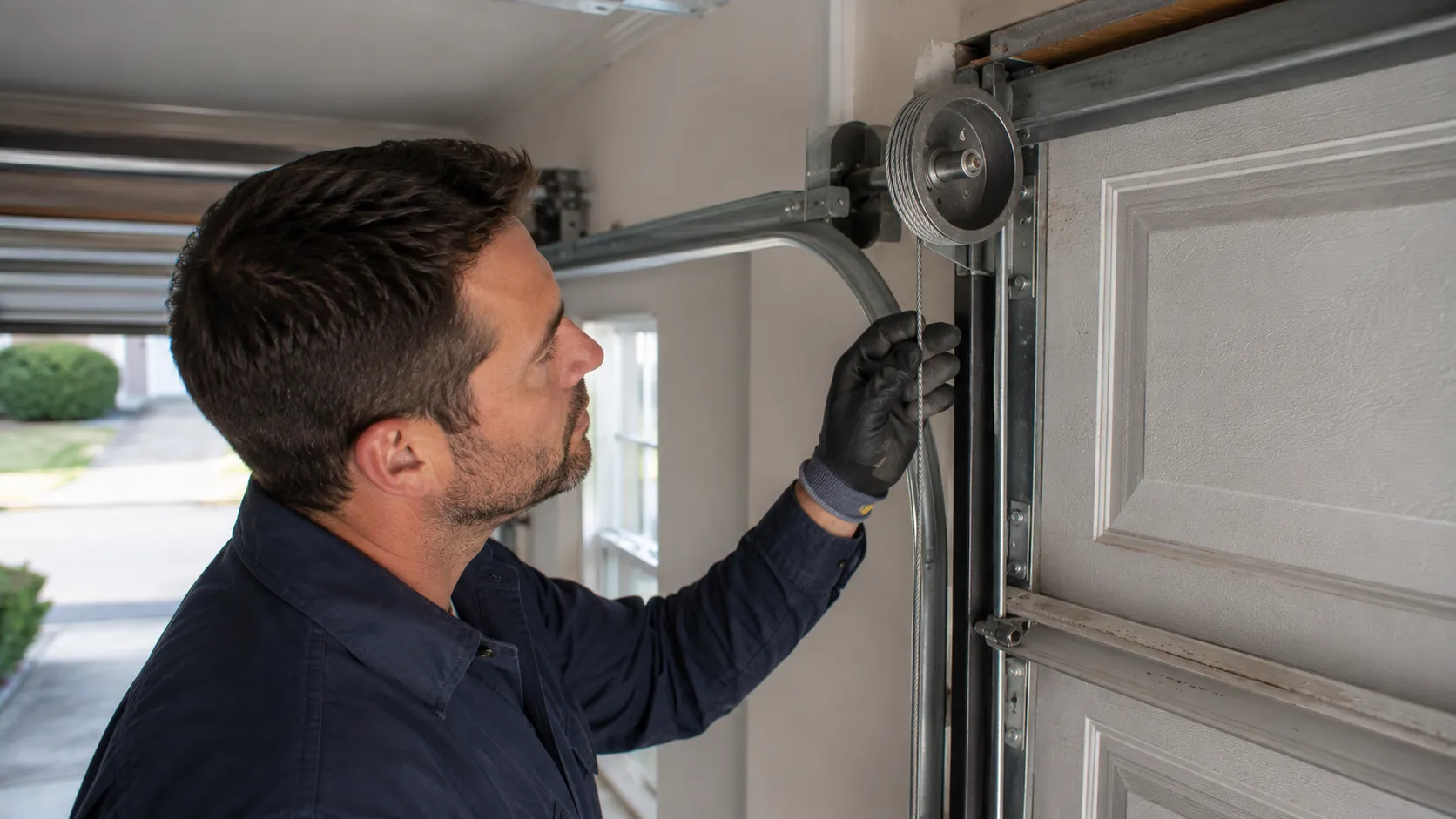
When a spring finally lets go on one of these houses, it's rarely a clean break. The cable often comes off the drum at the same time because the drum was never re-torqued when the spring was replaced years back by someone in a hurry. We see doors that technically 'work' but are actually running on a spring rated for a door twenty pounds lighter than what's hanging there now. That's not a design flaw in your door - it's forty years of small mismatches stacking up.
The area
How It Shows Up
The most common call we get is a door that won't open past a foot or two, then reverses. That's usually a torsion spring that's lost tension, not a broken opener, though most homeowners call about the opener first because that's the part making noise. Second most common: a door that opens fine in the afternoon and jams stiff first thing in the morning. That's a cold-stiffened track pulling a roller off its rail, and it's a January-through-March call more than any other time of year.
You'll also hear a distinct bang from the garage, not a grind, when a cable jumps its drum. If the door came down crooked - one side low, one side higher - stop using the opener and call. Running it further with a jumped cable can bend the track or crack a panel, and a bent track costs more to fix than a spring ever will.
What we find
Why It Happens Here
Two things push failures in this area harder than in a milder climate: the age of the housing stock and the cold. This is a severe cold climate band, and steel contracts as temperatures drop. A torsion spring that's already fatigued from decades of cycling loses tension faster in the cold, and it tends to give out on the coldest mornings of the year, not gradually. Tracks installed in the 1960s and '70s often used lighter-gauge steel and wider tolerances than what goes in today, so a half-inch of contraction is enough to walk a roller off the rail.
Homes built before double-insulated doors became standard also tend to have heavier retrofit doors on original hardware - someone swapped in a heavier insulated panel over the years without upgrading the spring or the opener's lift capacity. That mismatch is common enough in houses from this era that it's often the first thing we check before touching anything else.
How we work
What the Fix Involves
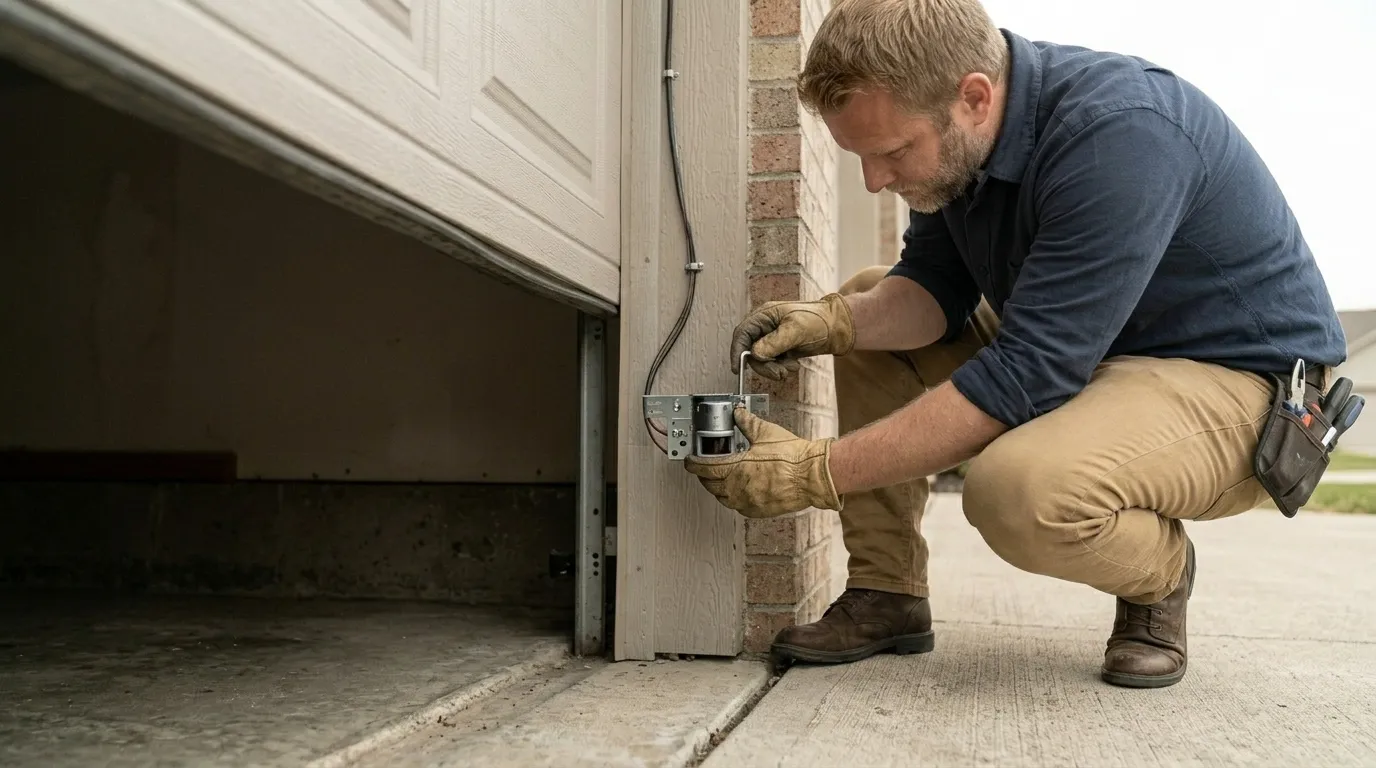
For a broken torsion spring, the job is matching the replacement spring to the actual weight of the door hanging on it now, not just swapping in the same part number that was there before - that's how the mismatch problem started in the first place. We check the drums and cables at the same time, since a spring failure often stresses both.
For a cold-jumped track, it's a matter of re-seating the rollers, checking the track alignment with a level, and tightening the brackets that fifty years of expansion and contraction have loosened. If the rollers themselves are worn steel originals, we'll usually recommend swapping them for nylon, which handles temperature swings better and runs quieter.
One honest limitation: if a track is actually bent, not just misaligned, we don't hammer it back into shape. A bent track gets replaced. Straightening it is a temporary fix that fails again, usually at a worse moment, and we'd rather tell you that upfront than sell you a repair that doesn't hold.
Questions
Common questions
Why does my garage door only stick in winter?
Cold makes steel contract, and on older tracks common to this area's 1960s-70s housing, that's enough to pull a roller off the rail. It's the top cold-weather call we get, and it usually isn't the opener - it's the track or a fatigued spring giving out under the extra tension cold puts on it.
Is a broken spring safe to leave overnight?
No. A broken torsion spring means the opener is lifting the full weight of the door with no assist, which stresses the opener's gears and can pull the cable off the drum. Leave the door closed and don't run the opener until it's replaced.
My house is older - does that matter for the repair?
It can. Houses from this area's 1938-2009 build range often have original hardware sized for a lighter door than what's currently installed, especially if a panel was upgraded at some point. We check the spring-to-door-weight match before replacing anything, not just the part number.
Do you serve towns near Arlington Heights?
Yes, we cover the surrounding area including Prospect Heights, Mount Prospect, Wheeling, and other nearby communities within about a ten-mile radius.
Ready when you are
Need a garage door sorted in Arlington Heights?
Arlington Heights Garage Door Pros repairs and installs garage doors, springs and openers in Arlington Heights, IL and the surrounding area.