Glencoe, Arlington Heights IL
Garage Door Service for Glencoe's 1950s Homes
Garage Door Repair, Spring, and Opener Service for Glencoe, IL homes built around 1955, from Arlington Heights Garage Door Pros, 12 miles up the road.
Local detail
This Area's Housing
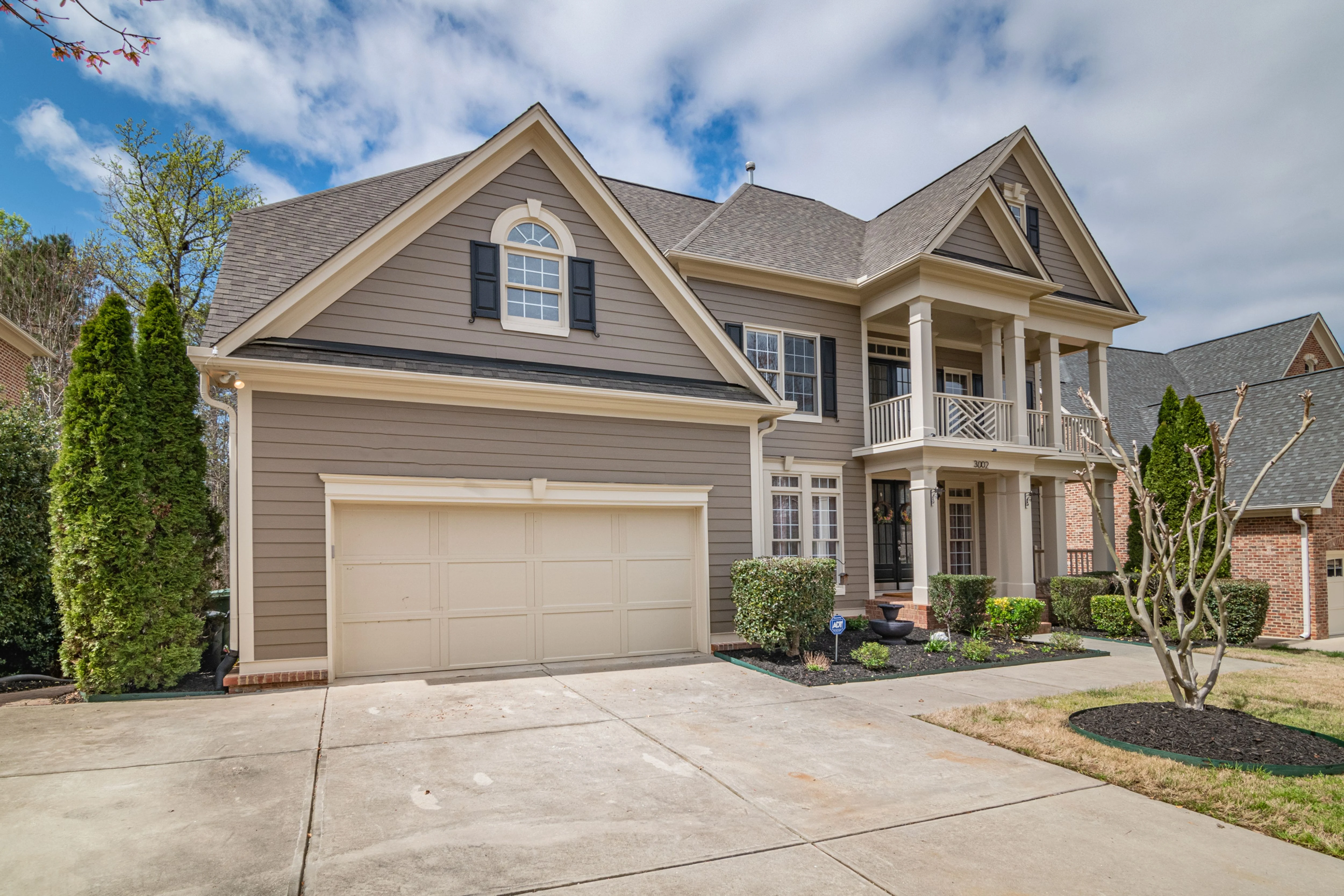
Glencoe's houses average a build year of 1955, nearly a generation older than the service area's overall median of 1977. That gap matters more than it sounds like it should. Across the wider coverage area we work in - 454,992 households, with 223,811 of those in owner-occupied houses - the typical home dates from the 1960s or 70s. Glencoe sits ahead of that curve, closer to the postwar wave of construction than the ranch-and-split-level boom that filled out most of the other 86 named areas we cover.
With about 3,033 households here and a median income of $250,001, well above the broader area's $109,454, this is not a neighborhood where people are patching things to get one more season out of them. Owners here tend to replace rather than nurse along, and that shapes what we see on service calls - either an original door that's been maintained carefully for decades, or a door and opener that were swapped out wholesale a few years back. Few in-between cases. When we come out from Arlington Heights, about 12 miles south, we're usually dealing with one of those two extremes, not the slow decline you get in newer subdivisions where everything ages at the same rate.
The area
Common Jobs Here
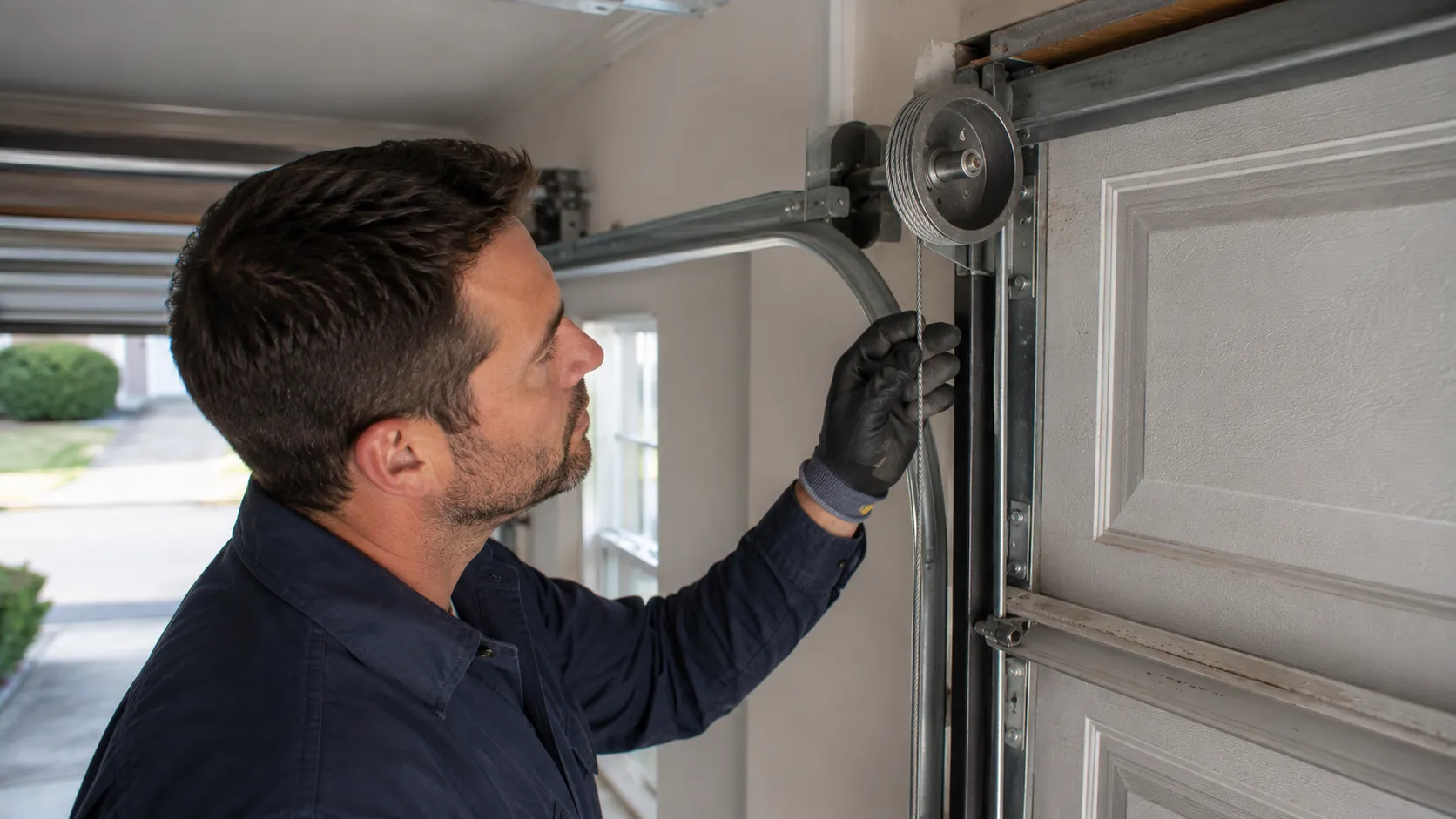
A house built in 1955 was almost never framed for a modern sectional door on standard torsion hardware. Many original openings in this area were sized for single-piece slab doors or early sectional doors running on extension springs mounted along the horizontal track, not the torsion bar over the header that's been standard for decades. When one of these fails, the fix often isn't a like-for-like swap - it's bringing the whole opening up to hardware that's actually available today.
We also see a fair number of openers here that were added after the fact, bolted onto a door frame that predates powered openers by twenty years or more. That mismatch between an old door and a newer opener is a common source of strain: the opener works harder than it should because the door itself is heavier or less balanced than what the opener was designed for. Track brackets on these older openings tend to be undersized by current standards too, which shows up as walking or misalignment over time rather than a sudden failure. None of this is unusual for the area - it's just a different set of problems than you'd get on a house built in 1985.
What we find
What Neighbours Usually Call About
The calls we get from this area cluster around a few things. Extension springs on the older single-piece doors losing tension gradually rather than snapping outright - the door gets heavier to lift by hand over months, and people wait longer than they should before calling. Torsion springs on doors that were converted or replaced at some point, which fail more abruptly and usually mean the door won't move at all.
Cold plays a real part here too. This area sits in a climate band we'd call cold and severe, and lubricant that's fine in September can stiffen up enough by January to strain a spring that was already near the end of its life. We also get calls about rollers that have worn oval rather than round - common on doors that have been running the same hardware for a couple of decades - and about openers that no longer have a matching remote or keypad because the model's been discontinued. None of these are emergencies in the dramatic sense, but a door stuck shut on a cold morning feels like one when you're trying to leave for work.
How we work
What the Housing Means for Your Door
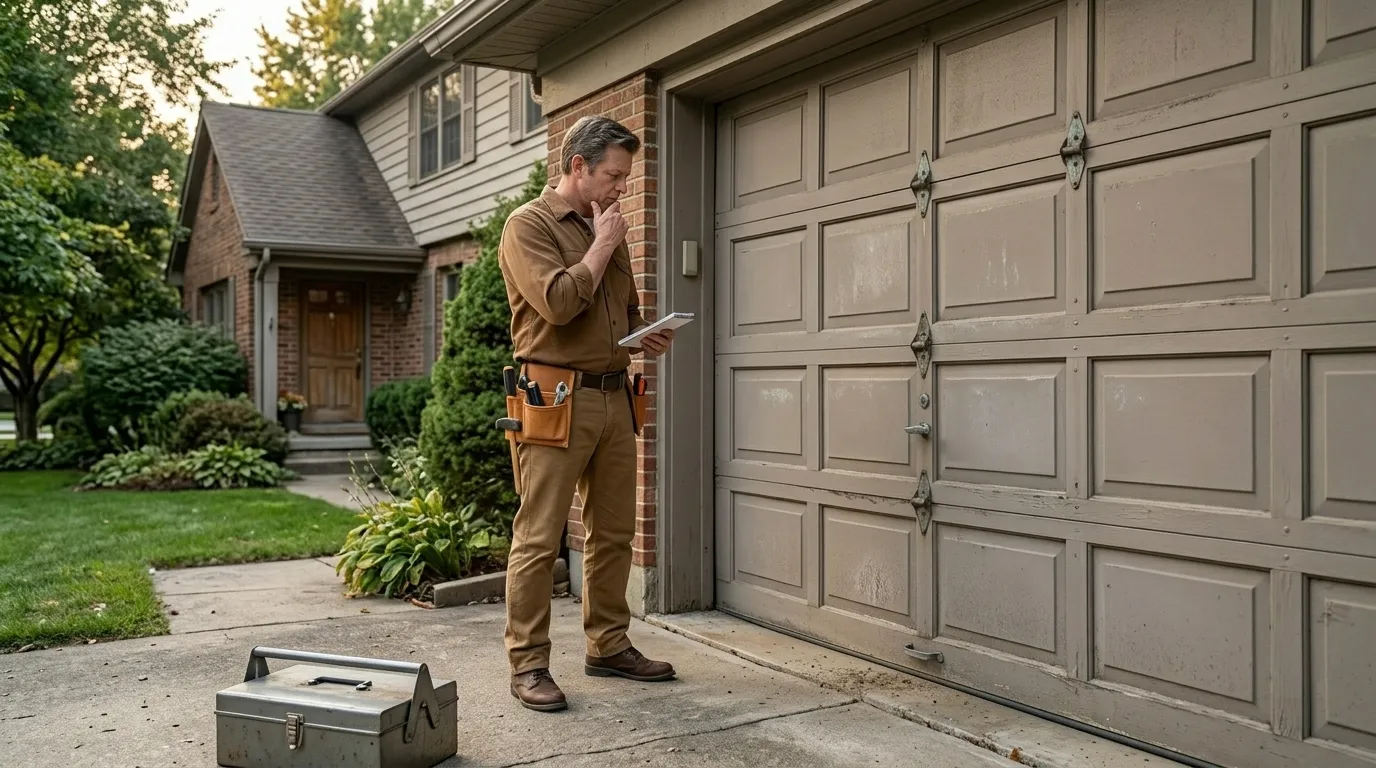
Because Glencoe's homes run older than the area median, the honest answer to "can you just fix it" is sometimes no. If your door is an original 1955 single-piece slab, we may not be able to match the panel exactly - those sizes and finishes aren't stocked new anymore, and we're not going to pretend we can source something we can't. In that case the real choice is a full replacement built to current hardware standards, not a patch that leaves you with the same underlying mismatch.
Where we can help without replacement is usually the balance and the hardware, not the door skin itself: re-tensioning or replacing springs sized correctly for the door's actual weight, swapping worn rollers and brackets, and making sure an opener added years after the door was installed is actually matched to it. Given the cold-severe climate here, we also pay attention to how the door seals at the bottom and sides - gaps that were acceptable in 1955 aren't doing you any favors on a January morning now. The house is older than most of the area around it. The fix should account for that, not ignore it.
 86 areas covered
Service areas
Other areas we cover near Glencoe
Questions
Common questions
Is Arlington Heights Garage Door Pros based in Glencoe?
No. We're based in Arlington Heights and travel to Glencoe, about 12 miles away, for service calls. We don't keep a depot or staff on-site here - every job means a truck coming from Arlington Heights, which is worth knowing if timing matters to you.
Why does my 1950s garage door need different parts than a newer one?
Doors from Glencoe's era, with a median build year around 1955, were often built for single-piece slabs or extension-spring hardware rather than the torsion-over-header setup standard today. Matching parts is sometimes impossible, so a repair can mean upgrading hardware rather than replacing like for like.
Can you match the panel on my original garage door?
Sometimes, sometimes not. Panels from 1950s-era single-piece doors aren't widely stocked new. If we can't source a match, the more realistic option is a full door replacement on current hardware rather than a mismatched patch.
Do cold winters affect garage door springs here?
Yes. This area sits in a climate band we classify as cold and severe. Lubricant stiffens and springs already near the end of their life tend to fail in the coldest months, which is why winter is when we get the most calls about doors that won't lift.
Ready when you are
Need a garage door sorted in Arlington Heights?
Arlington Heights Garage Door Pros repairs and installs garage doors, springs and openers in Arlington Heights, IL and the surrounding area.