
West Dundee, Arlington Heights IL
Garage Door Service for West Dundee Homes
West Dundee homes mostly date to 1988, later than the wider service area's 1977 median. That later build year changes the springs, tracks, and openers our trucks see here.
Local detail
This Area's Housing
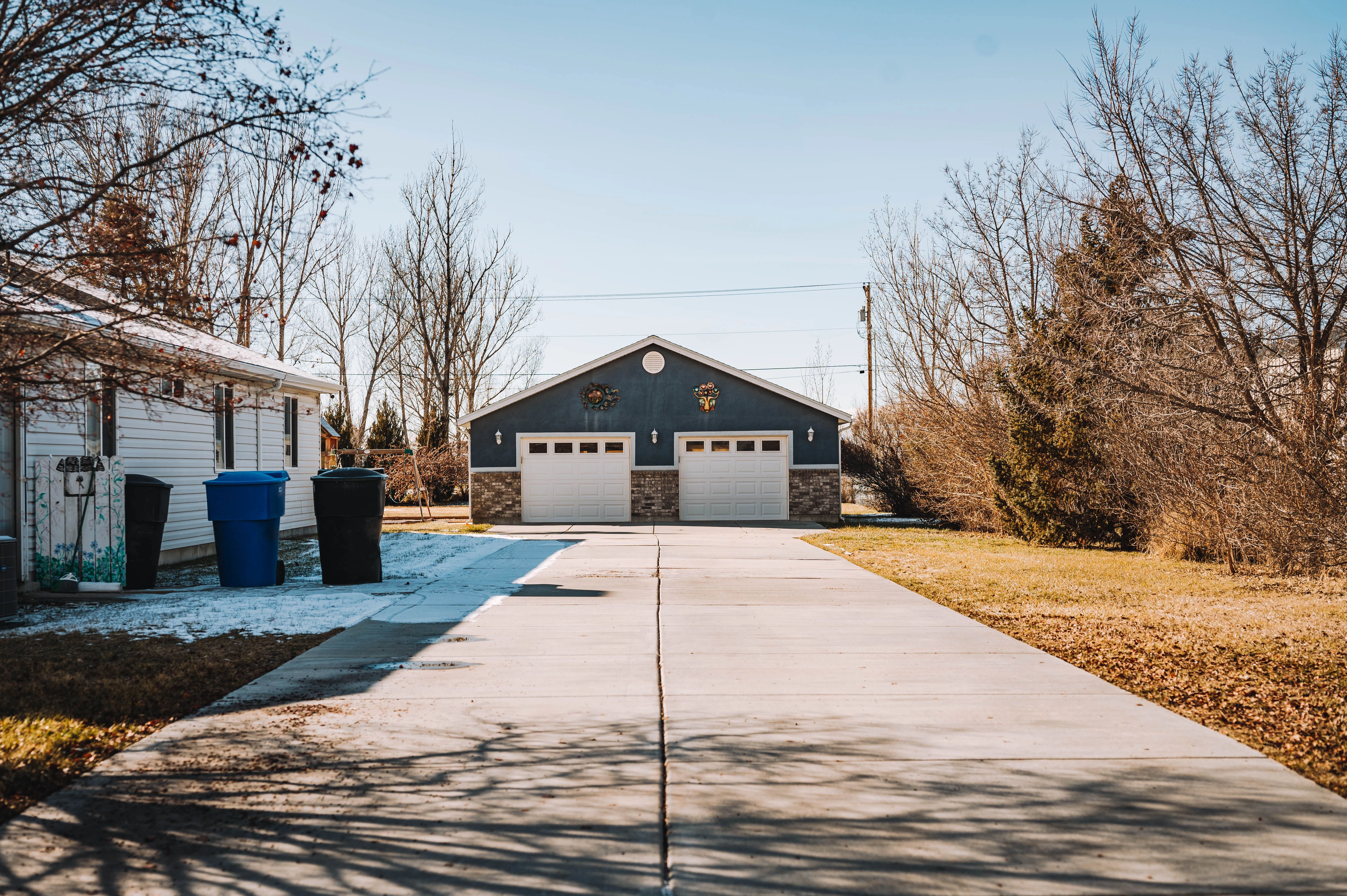
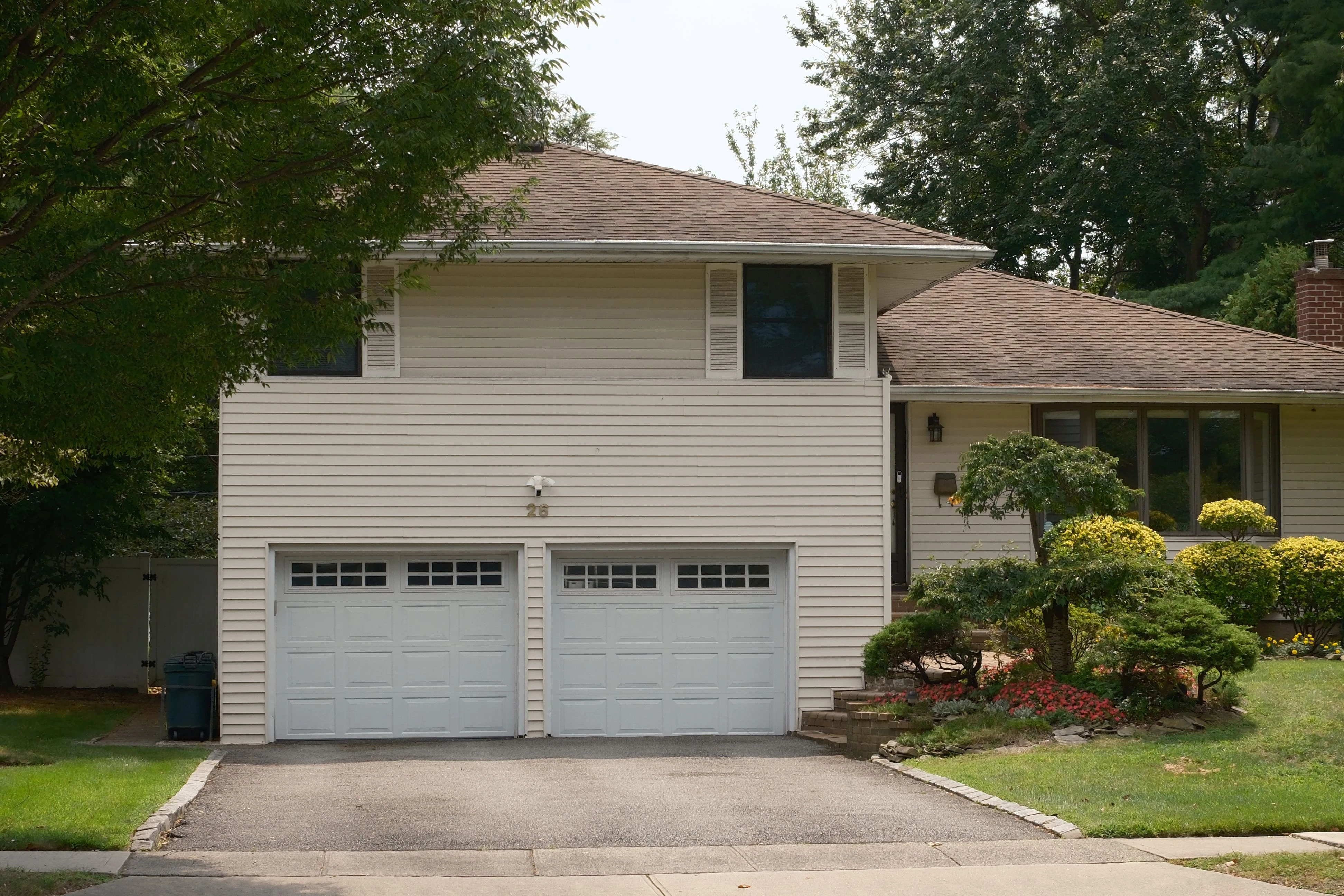
West Dundee's median home was built around 1988, a good decade newer than the 1977 median across the wider service area we cover out of Arlington Heights. That gap matters. A lot of the region's housing stock dates to 1938 through 2009, with plenty of it concentrated in 1960s and 70s construction, but West Dundee's 3,096 households sit mostly in a later wave of building.
Garages from this era were framed for sectional steel doors from the start, not retrofitted for them, and most came with a chain-drive opener mounted to a wood header rather than the older track-and-pulley setups you'd find in an early postwar house. Median household income here runs about $104,750, close to the $109,454 median across the broader service area, which tends to track with owners who replace worn parts before they fail outright rather than running a door into the ground. We drive out from Arlington Heights, about 19 miles, so we're not a local shop with a storefront on your corner - we're a crew that knows what a late-80s West Dundee garage typically has behind the panel before we open the truck.
The area
Common Jobs Here
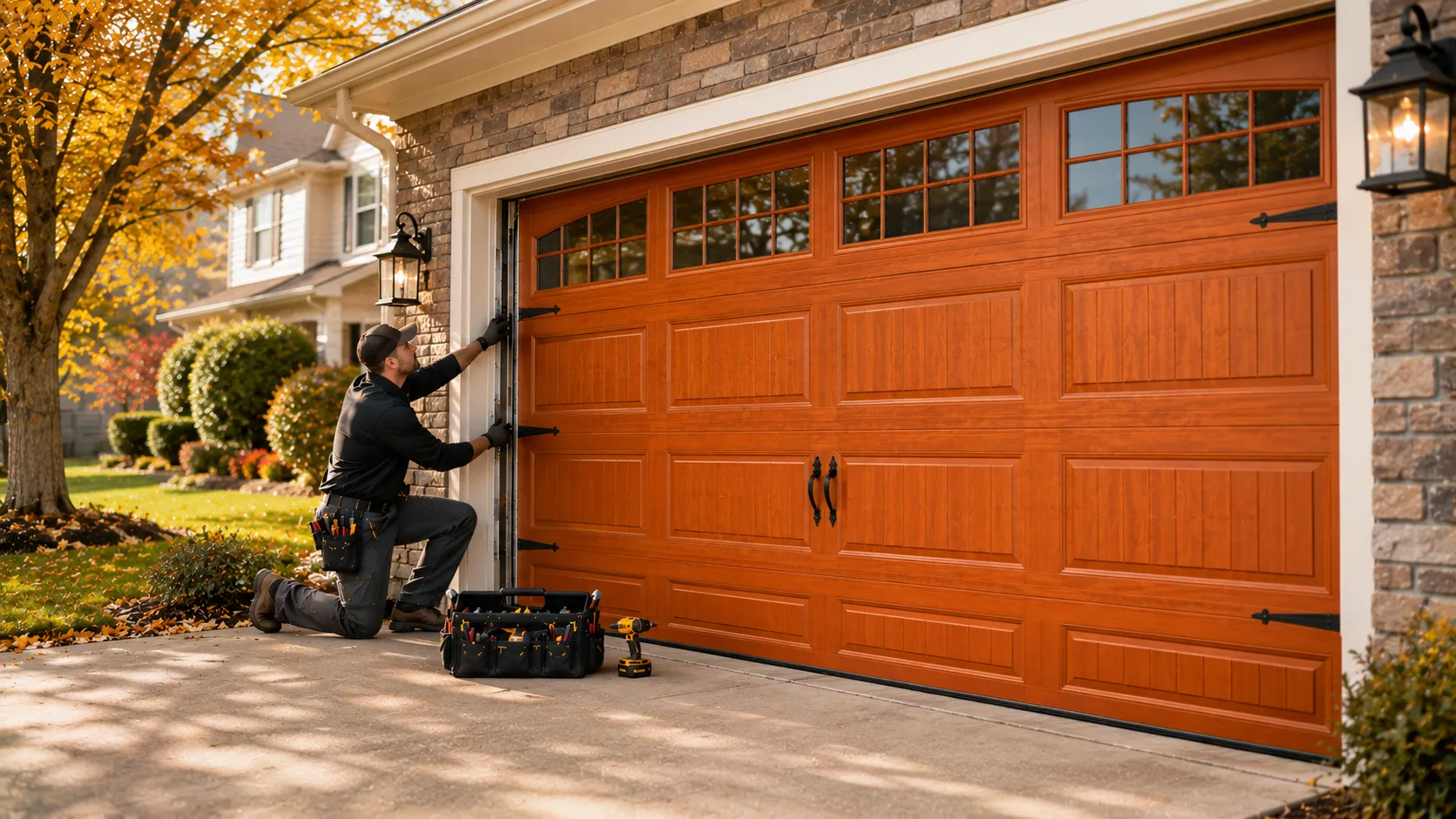
With most West Dundee garages dating to the late 1980s, the openers we replace are usually second or third-generation units on the original wood jamb bracket, not the original chain drive itself - that's long gone by now. Torsion springs from a 1988-era door have usually been swapped once already, and if they haven't, they're due. We see rollers that were never upgraded from the stock nylon that shipped with the door, which get noisy well before they fail outright.
Track alignment issues show up more from settling and minor impact than from age of materials, since steel track from this period holds up fine. We also get calls on keypads and remotes that are original to the house and simply died of old age rather than damage. What we don't do on every call is a full teardown - a lot of these jobs are a spring, a set of rollers, or an opener logic board, not a whole-door replacement.
What we find
What Neighbours Usually Call About
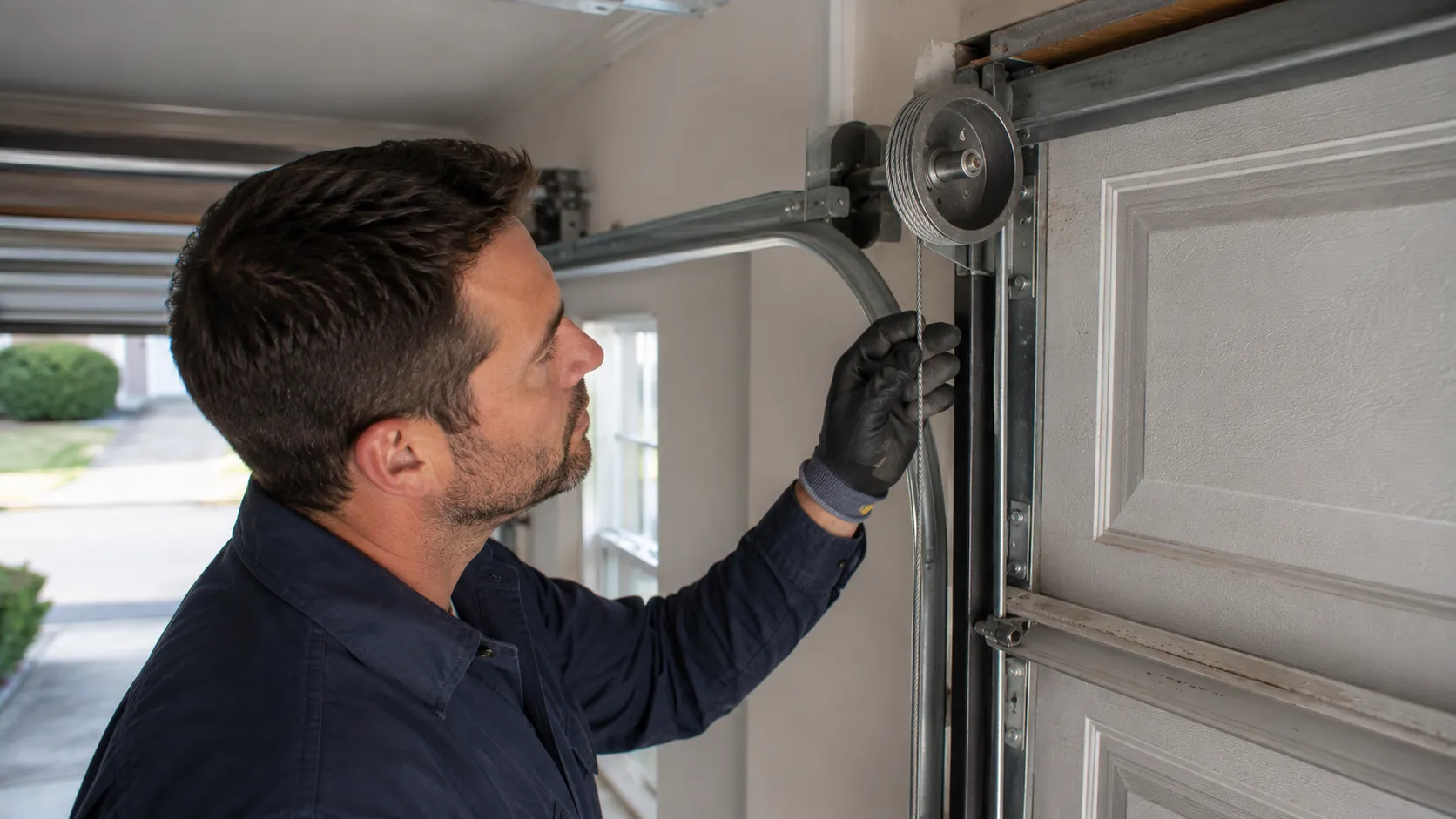
The call we get most from this area is a door that won't open on one side - almost always a broken torsion spring, sometimes a cable that's frayed through, both common failures on a door approaching its third decade. Second most common: an opener that runs but the door won't fully close, usually a safety sensor knocked out of alignment or caked with grime, an easy fix once we're looking at it. We also hear from owners whose remote stopped working after a battery change went wrong, or whose keypad code just quit registering - board failure, not user error.
Given the region's cold winters, we get a steady run of calls right after the first hard freeze, when a spring that was already fatigued finally lets go under the extra load of a stiff, cold door. None of these are exotic problems. They're what a well-built door from this stretch of years throws at an owner eventually.
How we work
What the Housing Means for Your Door
Because West Dundee skews to homes built well after the region's 1977 median, you're less likely to have the odd hardware - side-mounted torsion, one-piece tilt-up doors - that shows up in older sections of the wider service area. That's good news for parts. Standard extension or torsion springs, common roller sizes, and mainstream opener brands from the 1980s and 90s are still widely stocked, so a repair here usually doesn't stall on a special-order part.
The tradeoff is winter. The region sits in a cold, severe climate band, and a garage built in this era wasn't always insulated to the standard newer doors carry, so cold makes hardware brittle and lubricant stiff faster than it would in a milder area. One limitation worth saying plainly: if your door and opener are both original to a 1988 build and both are failing at once, patching each part separately can cost more over a year than replacing the unit - we'll tell you which way the math points instead of running up a bill on old iron.
 86 areas covered
Service areas
Other areas we cover near West Dundee
Questions
Common questions
Do you have a shop in West Dundee?
No. We're based in Arlington Heights, about 19 miles out, and we drive to West Dundee for calls. We don't keep a local storefront here, just a truck stocked for the repairs this area's housing stock actually needs.
Are parts hard to find for a door this old?
Not usually. West Dundee's median home dates to around 1988, which means standard spring sizes, common roller types, and mainstream opener brands - parts that are still in wide circulation, not the odd side-mounted hardware you'd find in a much older house.
Why did my spring break in winter?
Cold makes steel more brittle and grease thicker, which adds strain to a spring that's already worn. This area sits in a cold, severe climate zone, so a spring nearing the end of its life often finally gives out right after the first hard freeze.
Is it worth repairing an opener from the 90s?
Often yes, if the door and track are sound - logic boards and motors are still generally serviceable. But if the opener and the door are both original to a late-80s build and both failing, replacing the pair sometimes beats repairing each part separately.
Ready when you are
Need a garage door sorted in Arlington Heights?
Arlington Heights Garage Door Pros repairs and installs garage doors, springs and openers in Arlington Heights, IL and the surrounding area.