
Guide
What Actually Happens During a Service Call Here
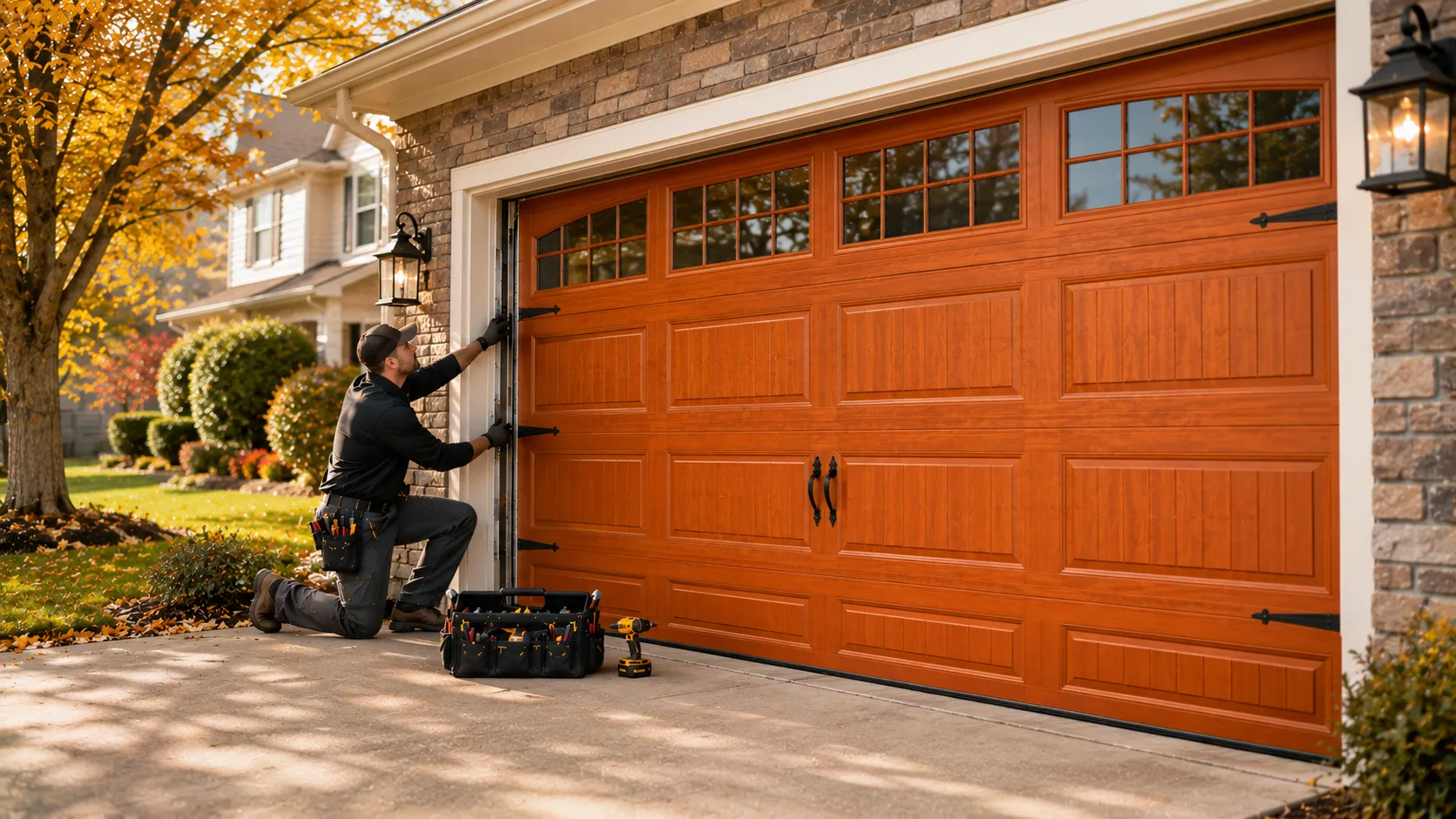
In Arlington Heights, a service call covers springs, cables, rollers, and opener checks tuned to 1960s-70s homes and cold-climate stress on aging hardware.
Local detail
How Local Conditions Play In
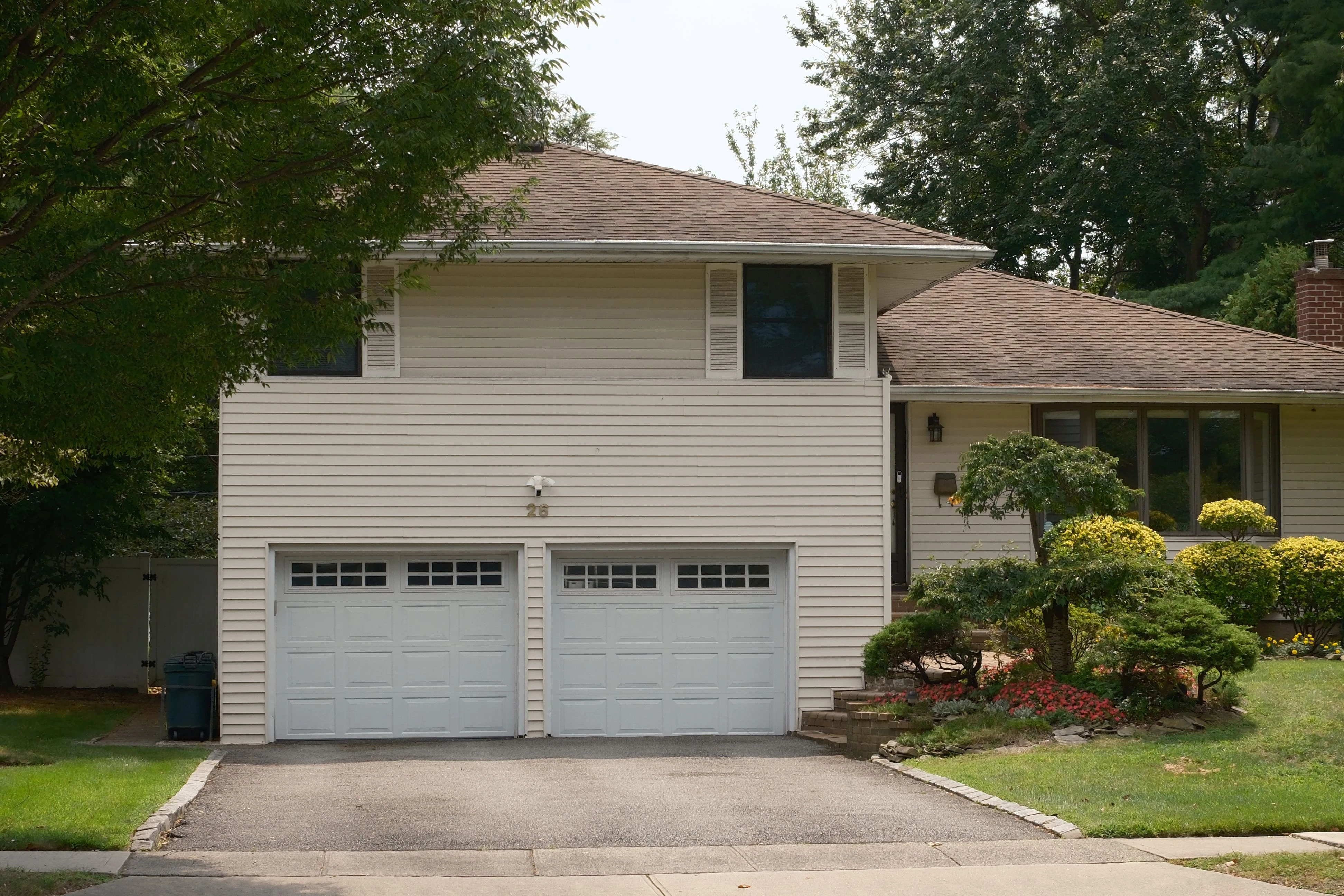
Most of the houses we get called to went up between 1938 and 2009, but the median build year across this area lands at 1977, and the bulk of the stock - spread across roughly 86 named neighborhoods in this part of the county - dates to the 1960s and 70s. That matters because doors and openers from that era were built for a different climate expectation than what we actually get. This area sits in a severe cold band, and steel torsion springs lose tension faster in sustained low temperatures than most owners realize.
A spring rated for a certain cycle count in a mild climate does fewer cycles here before it lets go. So when we show up for a service call, we're not just looking at the door in front of us - we're accounting for the fact that it's probably original or close to it, running on hardware sized for a house built decades before anyone thought about today's weather swings. That's the first thing we check, before we even touch the springs: how old is this system really, and has it been fighting the cold the whole time without anyone knowing it.
The area
When It Stops Being a DIY Job
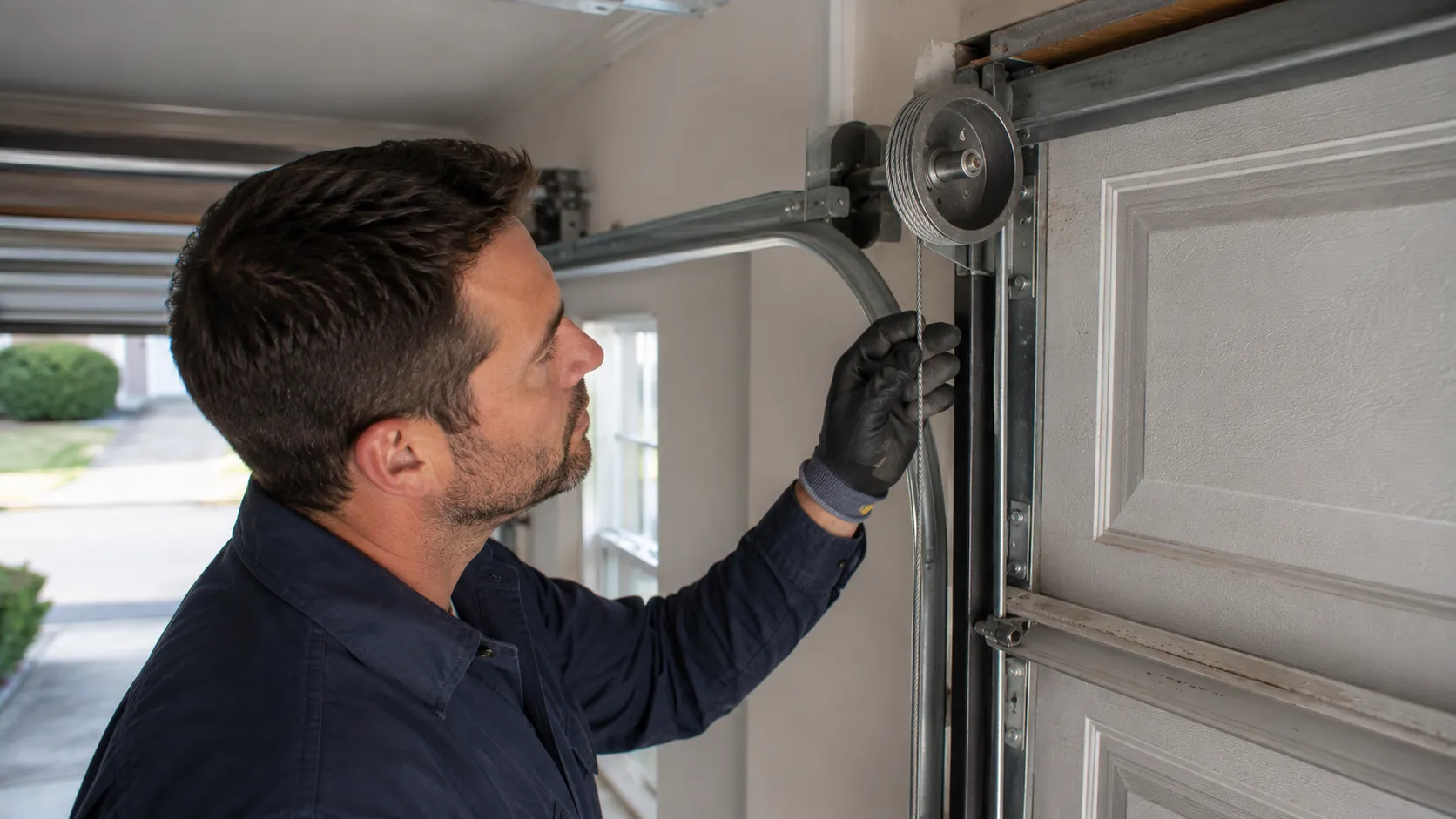
A torsion spring under tension can put someone in the hospital, and on a lot of the doors we see here - original hardware from the 1960s or 70s era stock this area is known for - the springs have never been replaced. If a spring is broken, wound wrong, or the winding cone shows rust from decades of cold-season condensation, that's not a job to open up with a wrench from the garage. Same goes for cables that have started to fray at the drum, or a bottom bracket that's cracked. Those parts are under load even when the door looks like it's sitting still.
Where it's still a reasonable DIY move: tightening loose hardware, lubricating rollers and hinges, checking weatherstripping at the bottom of the door before winter. Where it isn't: anything involving the spring system, the cables, or the opener's force settings on a door old enough to predate modern safety reversal standards. We've seen enough of the older stock in this area to know which failures are cosmetic and which ones are one bad pull away from a trip to the ER.
What we find
Doing Nothing For Now
Not every noisy door needs a same-day fix. If rollers are worn but the door still opens smooth and the springs are original but balanced correctly, you can often ride that out another season, especially once we've greased the track and confirmed nothing's cracked. We'll tell you straight when a repair isn't worth doing yet - that's part of the call, not an upsell. The honest limitation here: we don't stock every part for every door.
Some of the original hardware from houses built in this area's 1960s-70s wave used spring sizes and track profiles that aren't made anymore, and on those, a same-day fix sometimes turns into a short wait on a part instead of a same-visit repair. We'd rather tell you that up front than promise a fix we can't deliver that day. Given that the median household income across this service area runs $109,454, most owners here can afford a proper replacement rather than a patch - but we'll only recommend that when the numbers and the wear actually point there, not by default.
How we work
What Is Going On
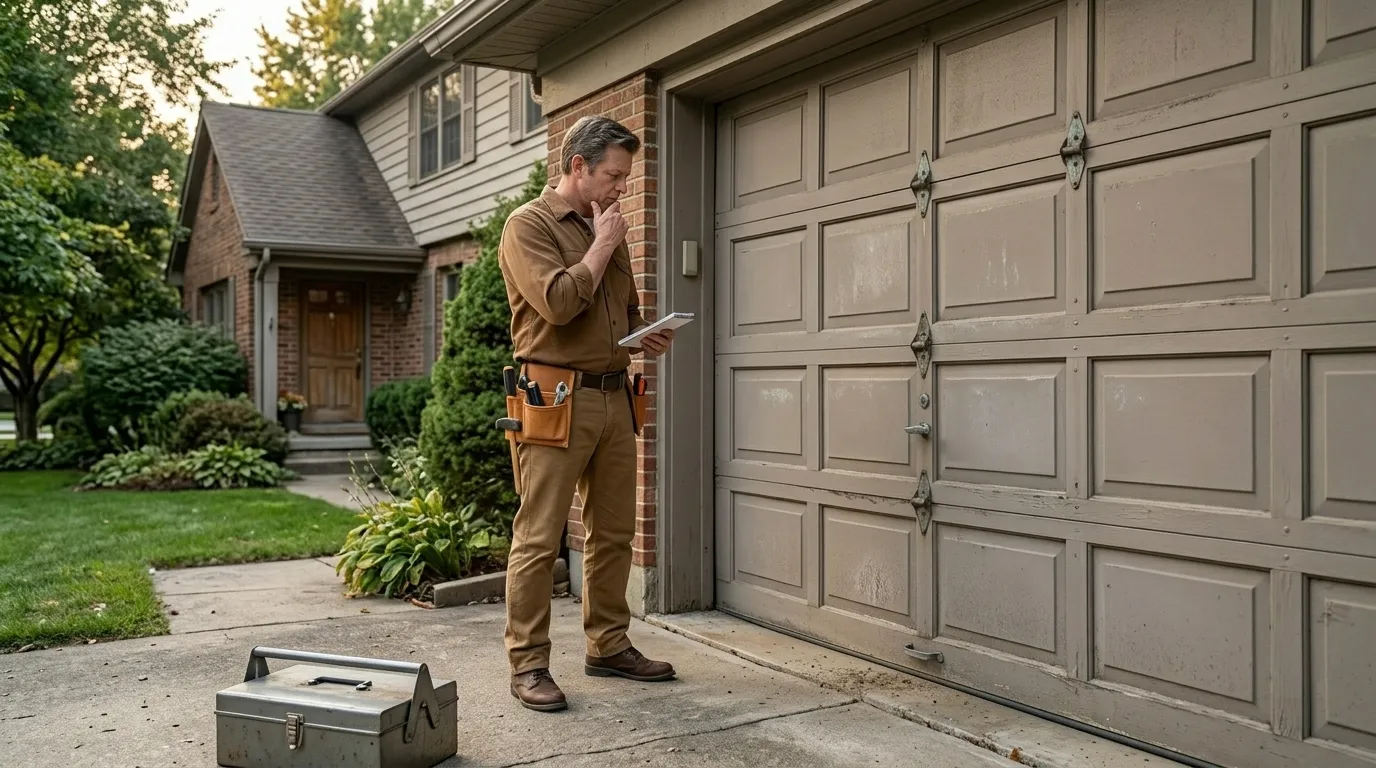
A real service call starts with the whole system, not just the symptom you called about. We check spring tension and balance, cable wear at the drum, roller condition in the track, the opener's force and travel limits, and the bottom seal. On the roughly 223,811 owner-occupied houses across this service area, a large share are still running hardware close to what came with the house when it was built, so we're often diagnosing wear patterns tied to age as much as use. We test the auto-reverse safety feature, since a lot of older openers in this area predate current sensor standards and need a retrofit rather than a full swap.
We also look at how the door is handling the cold - condensation on the spring coils, stiff nylon rollers, a track that's pulled slightly out of plumb from seasonal ground movement. By the end of the visit you get a plain list: what's fine, what's wearing but not urgent, and what needs to happen now. No pressure to replace something that's still doing its job.
Questions
Common questions
Do you work on doors from the older neighborhoods around here?
Yes. A lot of the doors we service came with houses built in this area's main 1960s-70s wave, and some go back closer to 1938. Original hardware on those doors is common, and parts availability varies, so we check what you have before quoting anything.
Why did my spring break in winter and not summer?
This area sits in a severe cold band, and steel springs lose tension faster in sustained low temperatures. A spring that's been slowly weakening for years often finally lets go on the coldest stretch of the season, not during a random warm week.
Can I just tighten things myself instead of calling?
Lubricating rollers, tightening loose bolts, and checking weatherstripping are fine to do yourself. Anything touching the spring system, cables, or an opener's force settings on older hardware isn't - that's where a service call is worth it.
How do you decide if a door needs replacing instead of repair?
We look at the age of the hardware, whether parts are still available for it, and how much the fix would cost against a full replacement. On original doors from the area's older housing stock, replacement sometimes makes more sense than chasing parts for a system that's discontinued.
Ready when you are
Need a garage door sorted in Arlington Heights?
Arlington Heights Garage Door Pros repairs and installs garage doors, springs and openers in Arlington Heights, IL and the surrounding area.