
La Grange Park, Arlington Heights IL
Garage Door Service for La Grange Park, IL
Garage door repair for La Grange Park's 1950s ranch-era homes, from torsion springs to insulated retrofits. Arlington Heights Garage Door Pros runs trucks out 19 miles for this call.
Local detail
This Area's Housing
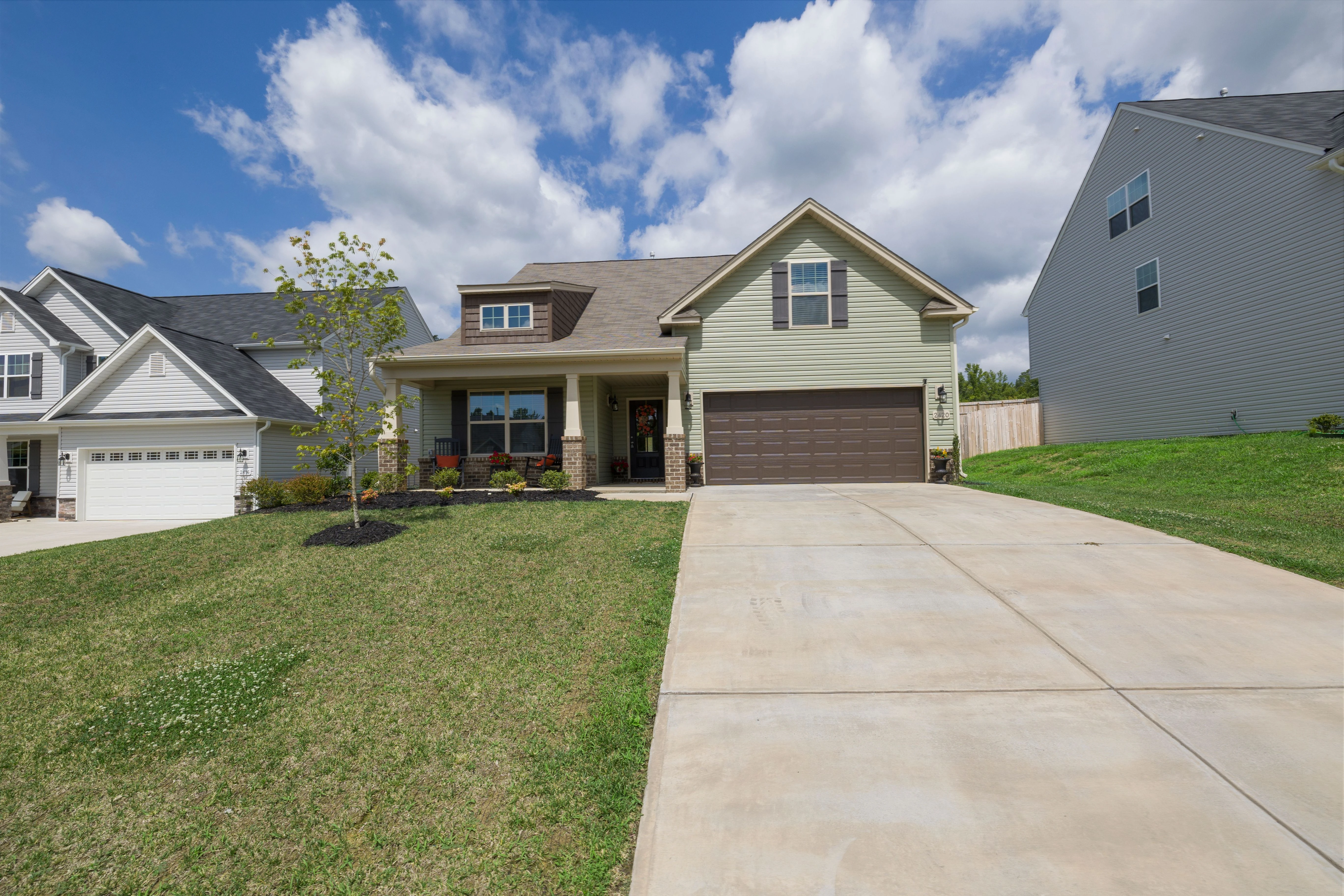
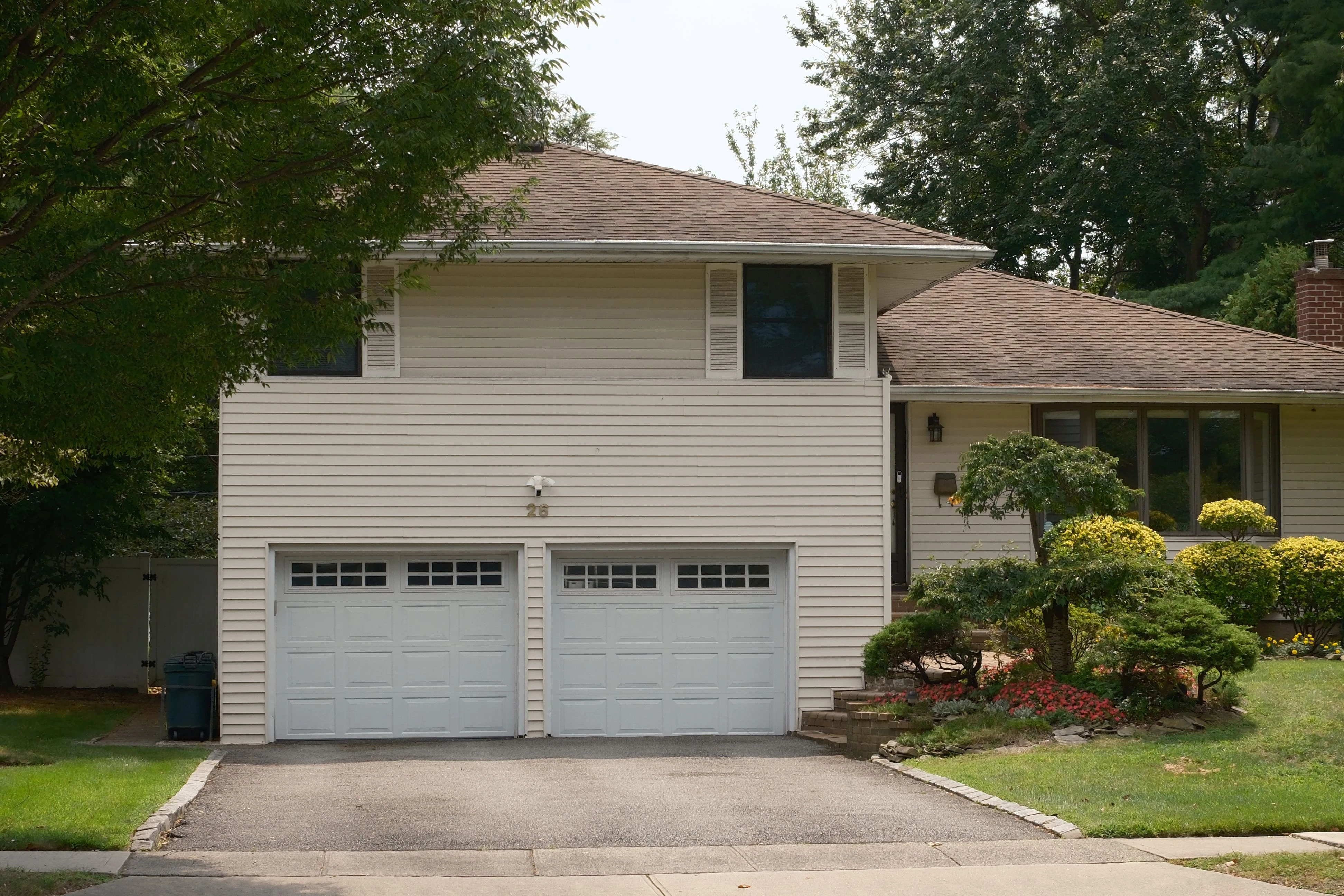
La Grange Park's homes mostly went up around 1956, which puts this pocket a good two decades ahead of the wider service area's 1977 median build year. That gap matters more than it sounds. Houses from this era were built with single-car garages as often as two-car, narrow openings, and steel doors that were never insulated because nobody was thinking about R-value in 1956. With 5,039 households in this area, we see a lot of original openings that have been resized once, sometimes twice, as owners swapped out doors over the decades without ever touching the jamb framing behind them.
Median household income here runs to $119,115, noticeably above the wider service area figure of $109,454, and that tends to show up in the calls we get: more owners asking about full opener upgrades and insulated panel replacements rather than the cheapest patch job. It doesn't mean the housing stock is new. It means the money to fix things properly tends to be there when a door finally gives out.
We don't have block-by-block data on which specific streets still have their original 1956 doors versus a 1990s replacement, so we size up hardware on site rather than guessing from the build year alone.
The area
Common Jobs Here
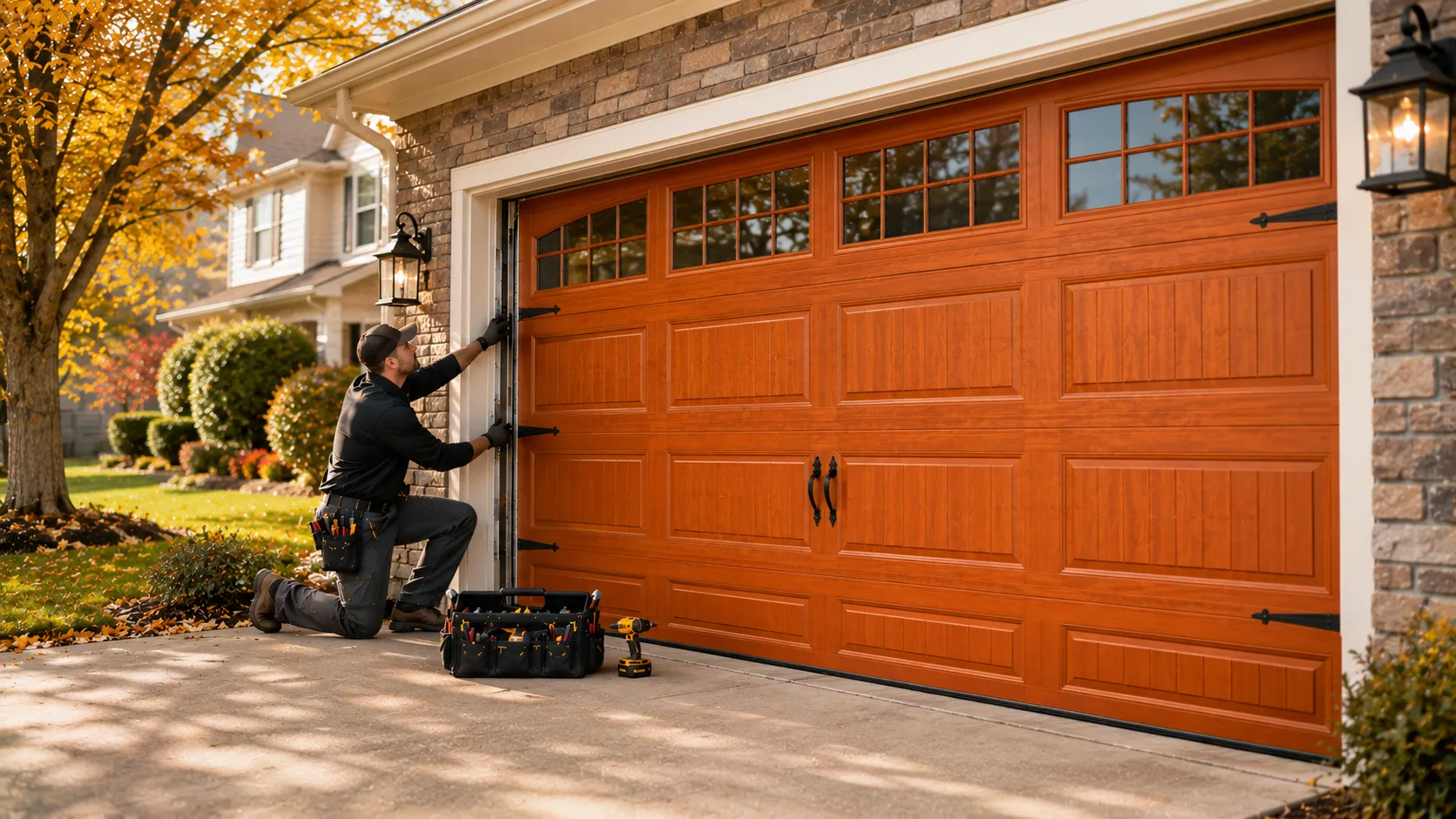
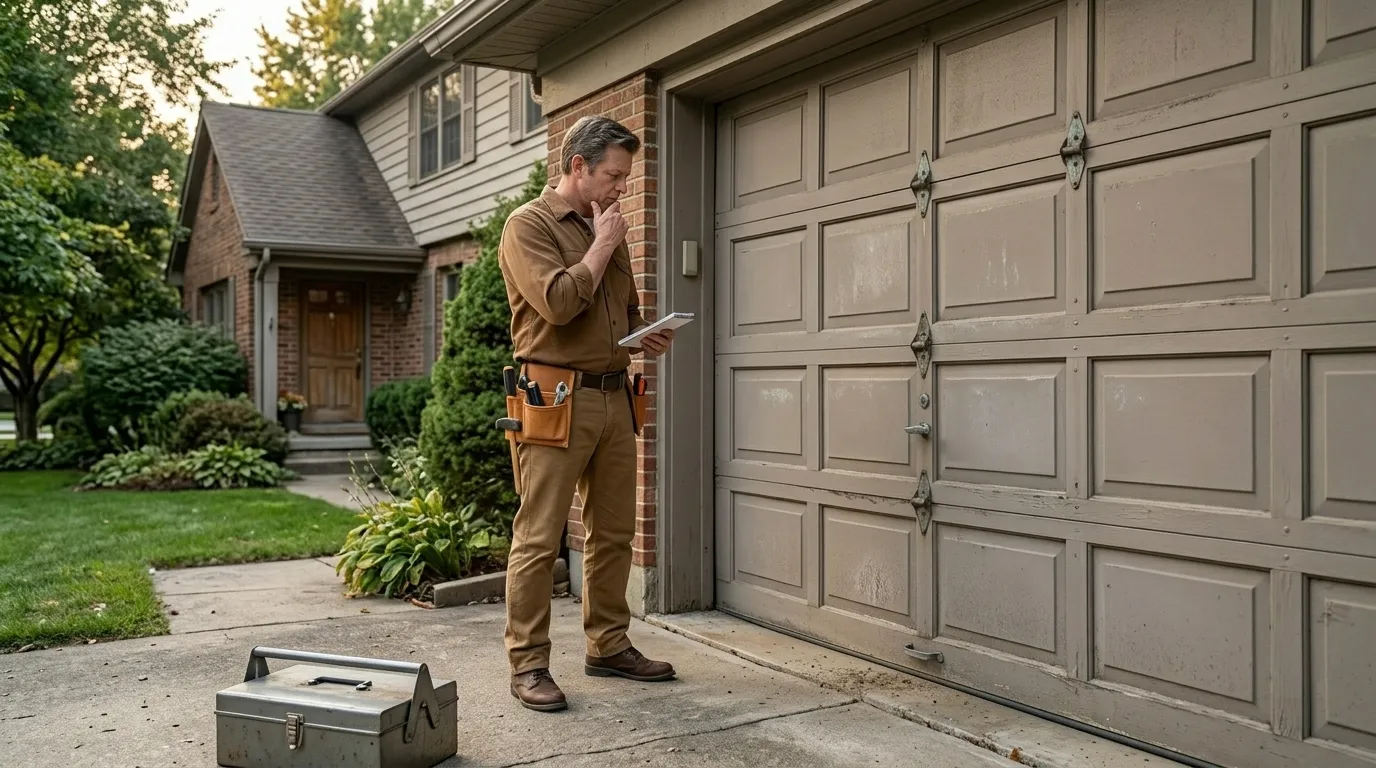
On houses from the mid-1950s, the recurring job is torsion spring replacement on doors that were never upgraded past their first hardware set. A lot of these openings are also narrower than what you'd frame today, which means a straight swap for a modern steel door sometimes calls for a new track kit rather than a drop-in replacement.
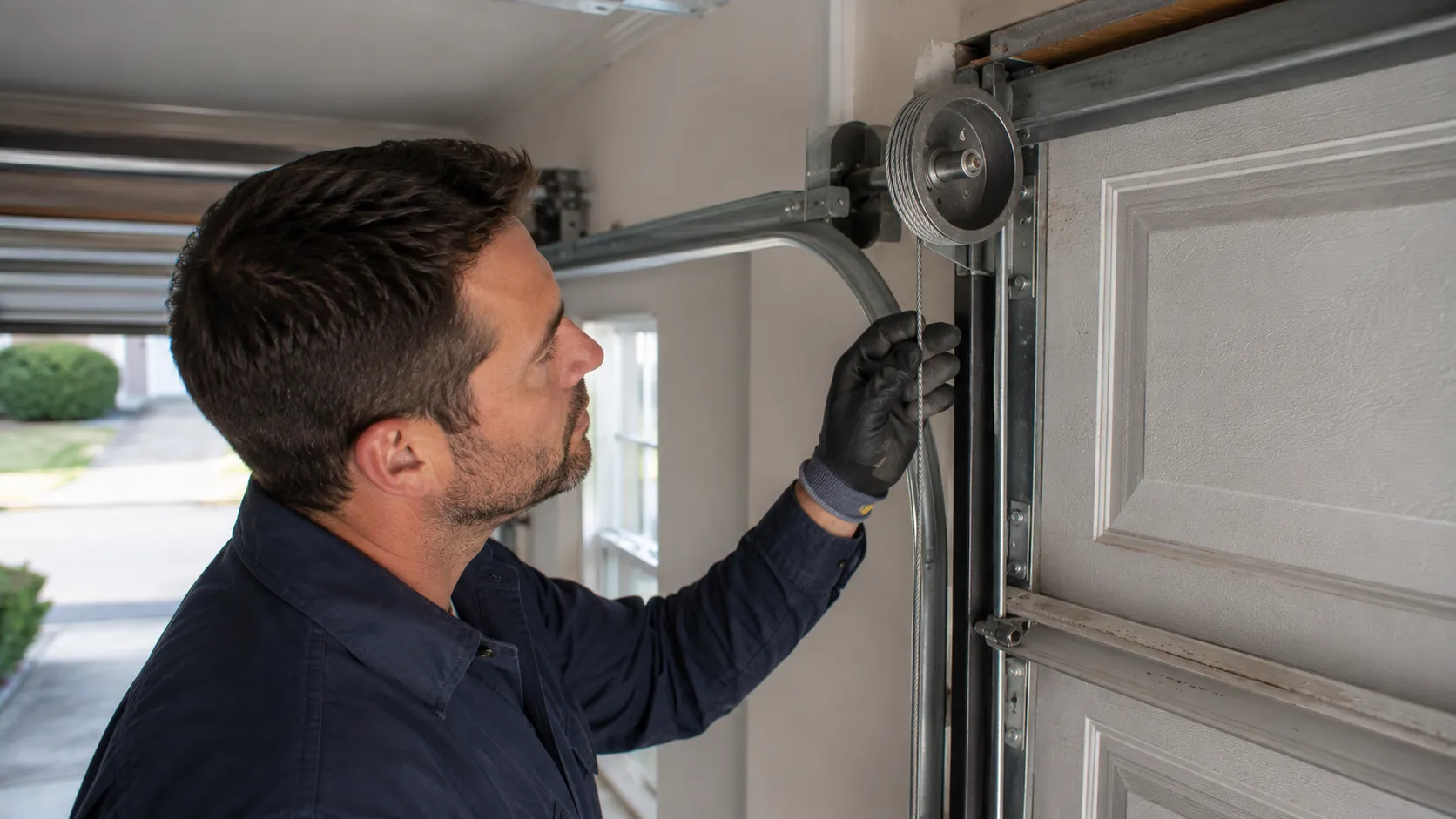
We also get called for opener replacements where the original chain-drive unit has simply worn out after decades of use, and for track realignment on doors that have been resized or re-hung without squaring the vertical tracks to the new panel weight. Cable fraying shows up more here than in newer subdivisions, mostly because a lot of these doors have logged 40-plus years on the same hardware.
We travel the 19 miles out from Arlington Heights for these calls, so we're not doing same-day drop-ins for a five-minute adjustment. What we can say honestly: if your door is original to a 1956 build and the spring just went, replacing the spring alone is usually the right call. It's when the track, the panels, and the opener are all original at once that replacement starts making more financial sense than another round of patchwork.
What we find
What Neighbours Usually Call About
The two calls we hear most from this area are a torsion spring that snapped overnight, usually announced by a loud bang and a door that won't budge, and an opener that's started grinding or stopped responding to the remote after years of steady use. Both are common on houses old enough to still be running their first or second garage door setup.
We also field calls about doors that have gone crooked in the track, usually because a roller has worn down or a cable has started to fray on one side and let the panel drop unevenly. On a narrower 1956-era opening, a door that's even slightly out of square binds fast, so owners notice this one quickly rather than living with it.
Less common but real: owners looking to insulate a door for the first time, usually after feeling the cold coming through an attached garage wall in winter. Given the median income here sits above the wider service area's figure, we see more of these upgrade calls than we would in an area where owners are stretching to cover a basic repair.
How we work
What the Housing Means for Your Door
A 1956 build year and a severe cold climate band together point to a specific failure pattern: steel doors with no insulation, original torsion or extension hardware pushed well past its design life, and openers that predate any modern safety sensor standard. None of that is unique to any one house here, but taken together it's a different repair profile than you'd get on a subdivision built in the 1990s.
Cold-climate swings put real stress on old spring steel - metal fatigue doesn't care how well the door has otherwise been maintained, and a spring that's been cycling through decades of below-freezing mornings is closer to its breaking point than a spring the same age in a milder climate. If your door is still running on its original hardware from a 1956-era build, that's the part we look at first, not the opener and not the panels.
We don't do cosmetic refinishing or repaint old wood-look steel doors - if the finish is the only complaint and the hardware's sound, that's outside what we handle. But if the spring, track, or opener is the actual problem, that's squarely the job.
 86 areas covered
Service areas
Other areas we cover near La Grange Park
Questions
Common questions
Do you have a location in La Grange Park?
No. We run out of Arlington Heights and travel the roughly 19 miles to reach La Grange Park for scheduled calls. We don't keep a local depot here, so we're not doing instant walk-up service, but we do cover the area regularly.
Why does my 1950s garage door keep breaking?
Houses in this area were mostly built around 1956, which means a lot of original torsion springs and steel panels are still in service decades past their expected life. Combined with severe cold-climate swings that fatigue spring steel faster, that's the main reason older doors here fail more often than newer subdivisions.
Should I repair or replace my old garage door?
If the spring or opener failed but the track and panels are sound, repair is usually the cheaper and sensible call. If the door is original to a 1956-era build and multiple parts are worn at once, replacement often costs less over time than repeated patch jobs on decades-old hardware.
Can you insulate my existing garage door?
In many cases yes, depending on the door's condition and panel type - we look at it on site rather than quoting blind. Given how many homes here were built before insulated doors were standard, this is one of the more common upgrade requests we get from this area.
Ready when you are
Need a garage door sorted in Arlington Heights?
Arlington Heights Garage Door Pros repairs and installs garage doors, springs and openers in Arlington Heights, IL and the surrounding area.