
Bensenville, Arlington Heights IL
Garage Door Service for Bensenville Homes
Garage door repair and install for Bensenville homes, most built around 1970. Arlington Heights Garage Door Pros travels the 10 miles to fix springs, openers, and tracks.
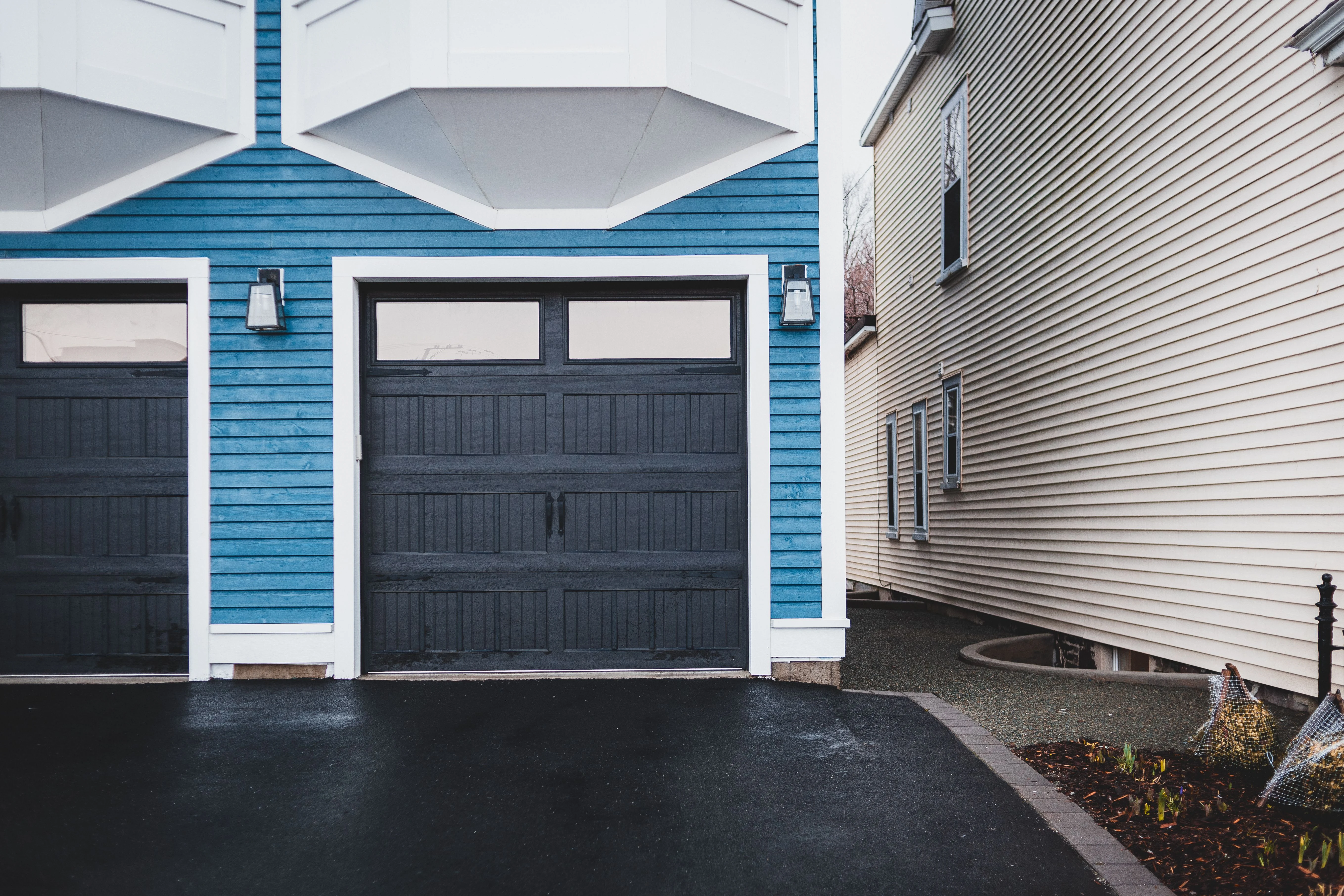
Local detail
This Area's Housing
Bensenville's housing stock centers on 1970, which puts it right in the middle of the broader service area's 1938-2009 range but noticeably later than the older pockets closer to the lake. A house built around 1970 usually came with a torsion or extension spring setup that's been through at least one or two replacement cycles by now, plus an opener that's likely a second- or third-generation unit rather than the original. With 6,834 households in the area, that's a lot of doors hitting the same age-related failure points around the same time.
Median household income here runs $78,298, below the wider service area's $109,454, which we mention only because it tends to shape the calls we get - more repair requests, fewer full replacements, more people wanting a straightforward fix over an upgrade. We drive the 10 miles out from Arlington Heights for these calls regularly, and the age of the housing is the first thing we check before we look at anything else, because a 1970 door and a 2005 door fail in different ways even if the symptom looks the same at the curb.
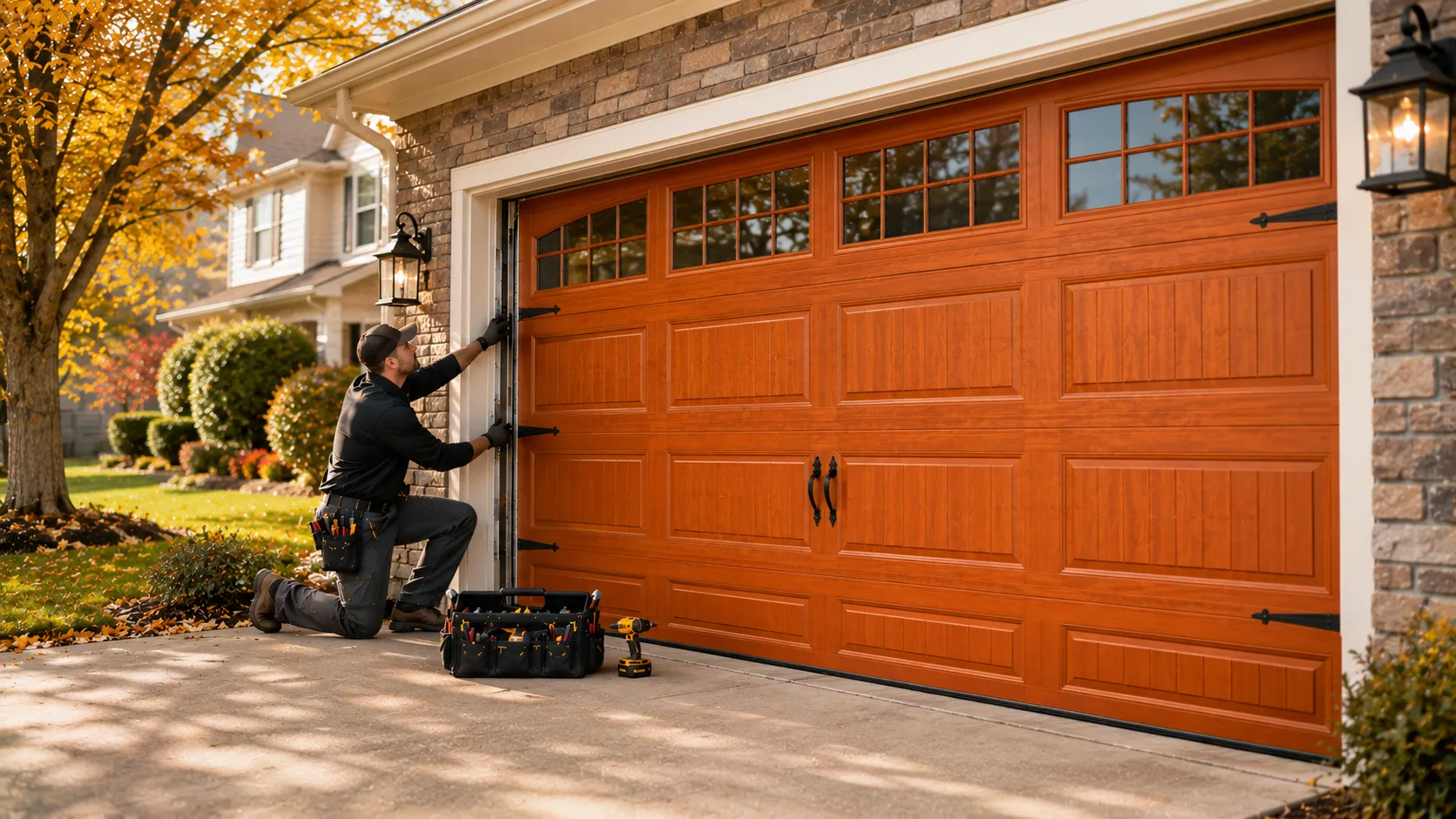
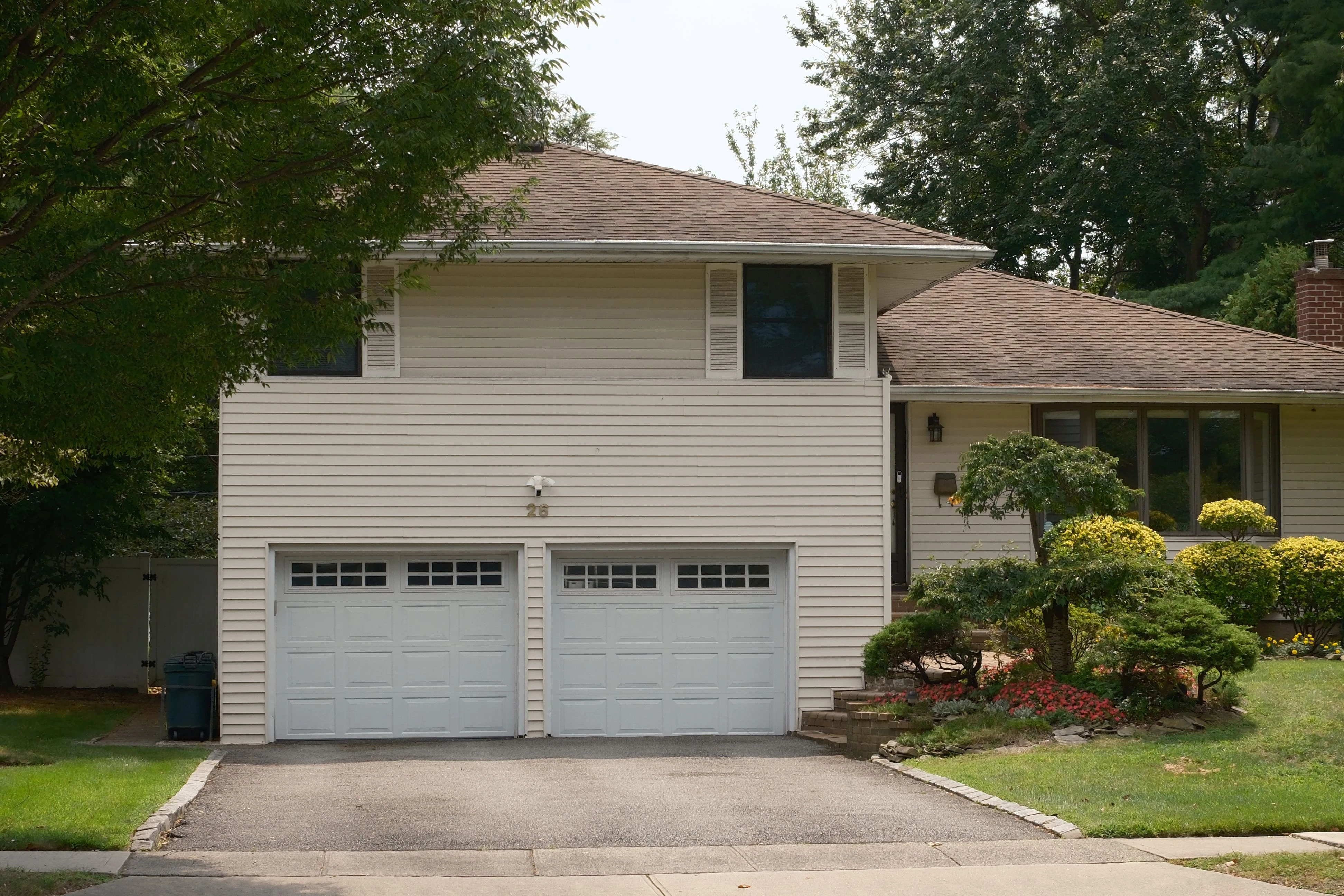
The area
Common Jobs Here
On doors from the 1970 era, the jobs we see most are torsion spring replacement, worn rollers grinding in the track, and center bearing plates that have cracked from decades of cycling. A lot of these homes still run galvanized torsion springs sized for a lighter door than what's actually installed if a panel swap happened somewhere along the way - that mismatch shows up as a door that's hard to lift by hand even with the opener disconnected. Cable fraying near the bottom bracket is common too, since original hardware on a house this age has had 50-plus years to work through its expected lifespan.
We also get called for opener replacements where the old chain-drive unit still runs but the safety reversal sensors are missing or disconnected entirely, which was normal wiring practice decades ago but doesn't meet current expectations. One thing we're upfront about: if the door itself is original wood-composite from that era and it's delaminating, we're not going to patch it - at that point a new door is the honest answer, not another repair bill on something that's structurally done.
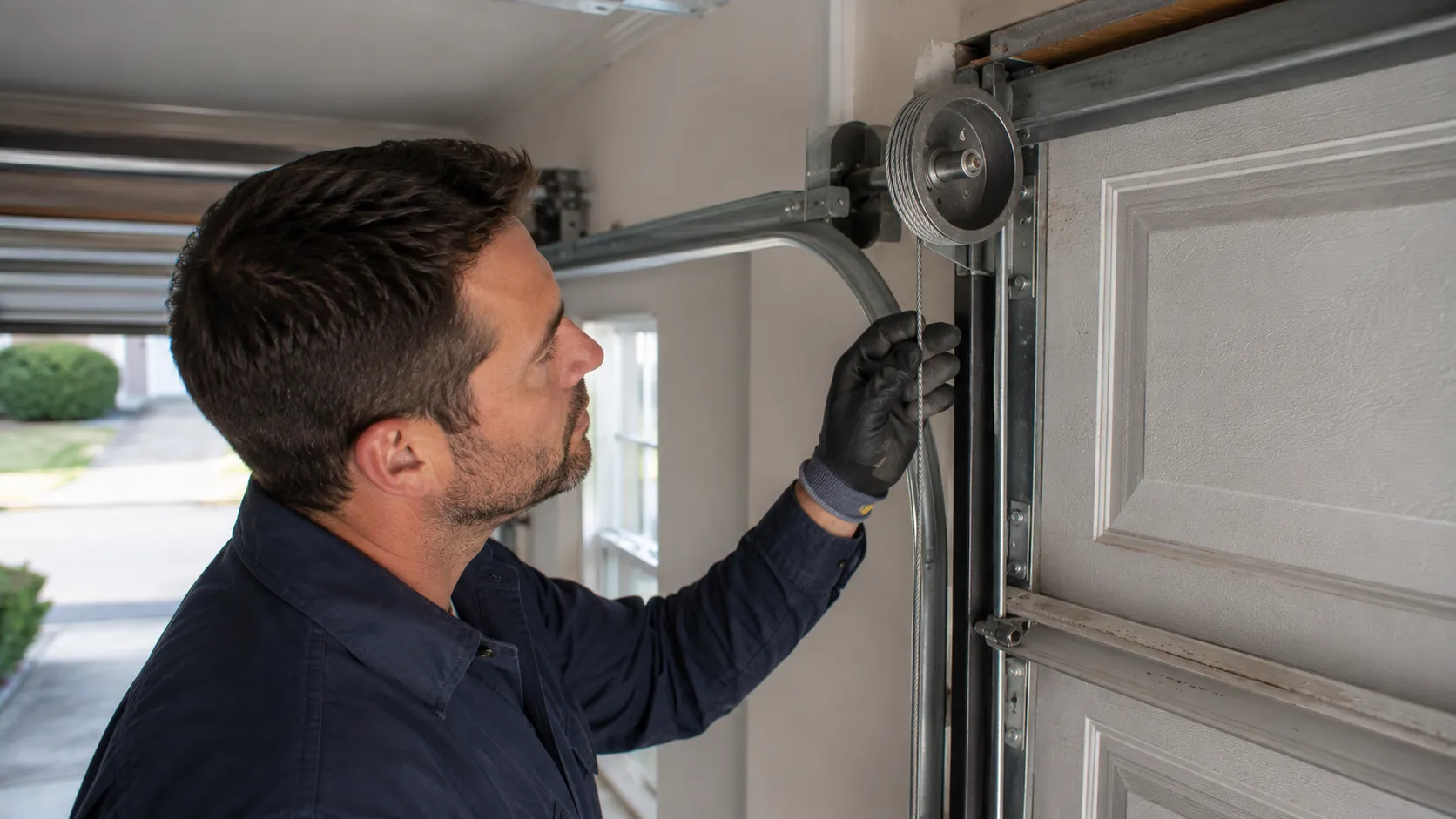
What we find
What Neighbours Usually Call About
The two calls we get most from this area are a spring that let go without warning and an opener that runs but won't lift the door - usually the spring again, just failing slower. Given the age of typical hardware here, a broken torsion spring on a double door is the single most common emergency call, and it almost always happens on a cold morning when the metal has contracted and the door was already fighting a marginal spring.
Cold-band winters this severe put real stress on aging springs and cables, and a spring that's been fine for years can snap on the coldest stretch of the season. We also hear from people whose track has pulled away from the jamb - on older stock, the wood framing around the opening has sometimes shifted enough over 50 years that the track bolts no longer sit flush, and that's a fix that takes more than tightening a bracket.
How we work
What the Housing Means for Your Door
Because most doors in this area trace back to construction around 1970, the parts on them are not the parts sold in most retail hardware bins today. Spring wire diameter, drum size, and track gauge from that era are different enough from current standard sizing that we bring what we expect to need rather than guessing at the truck. The cold-severe climate band this area sits in means metal fatigue on original hardware runs faster than in milder regions, so a spring rated for a certain cycle count locally tends to hit its limit sooner.
If your door still has its original hardware, replacement of the spring and cable system together is usually the right call rather than swapping one part and leaving the rest to fail six months later. We won't tell you every 1970-era door needs full replacement - plenty of these openings are solid and just need the moving parts brought up to current spec - but we will tell you straight if patchwork isn't worth the money.
 86 areas covered
Service areas
Other areas we cover near Bensenville
Questions
Common questions
Do you have a shop in Bensenville?
No. We're based in Arlington Heights and drive the roughly 10 miles out to Bensenville for jobs. We don't claim a local depot or a guaranteed response time here - we schedule the drive same as any other call in the coverage area.
Why did my spring break with no warning?
Torsion springs don't usually give a warning sign before they go. On a house from this area's typical 1970 construction era, the spring has often outlived its rated cycle count, and cold weather adds extra strain that pushes a marginal spring past its limit overnight.
Is it worth repairing a door this old or should I replace it?
Depends what's failing. If it's springs, cables, or rollers, repair almost always makes sense. If the panels themselves are original wood-composite and delaminating, we'll tell you replacement is the better use of your money rather than patching something structurally done.
Will parts for a 1970s door be hard to source?
Some original sizing - spring wire gauge, drum diameter, track width - isn't what's stocked on most trucks by default. We bring hardware suited to older builds when we know the job's in this area, but very old or custom sizing can occasionally mean a short order wait.
Ready when you are
Need a garage door sorted in Arlington Heights?
Arlington Heights Garage Door Pros repairs and installs garage doors, springs and openers in Arlington Heights, IL and the surrounding area.