Hanover Park, Arlington Heights IL
Garage Door Service for Hanover Park Homes
Garage door repair and installation for Hanover Park homes built around 1976, served from Arlington Heights, 12 miles away, with cold-climate hardware in mind.
Local detail
This Area's Housing
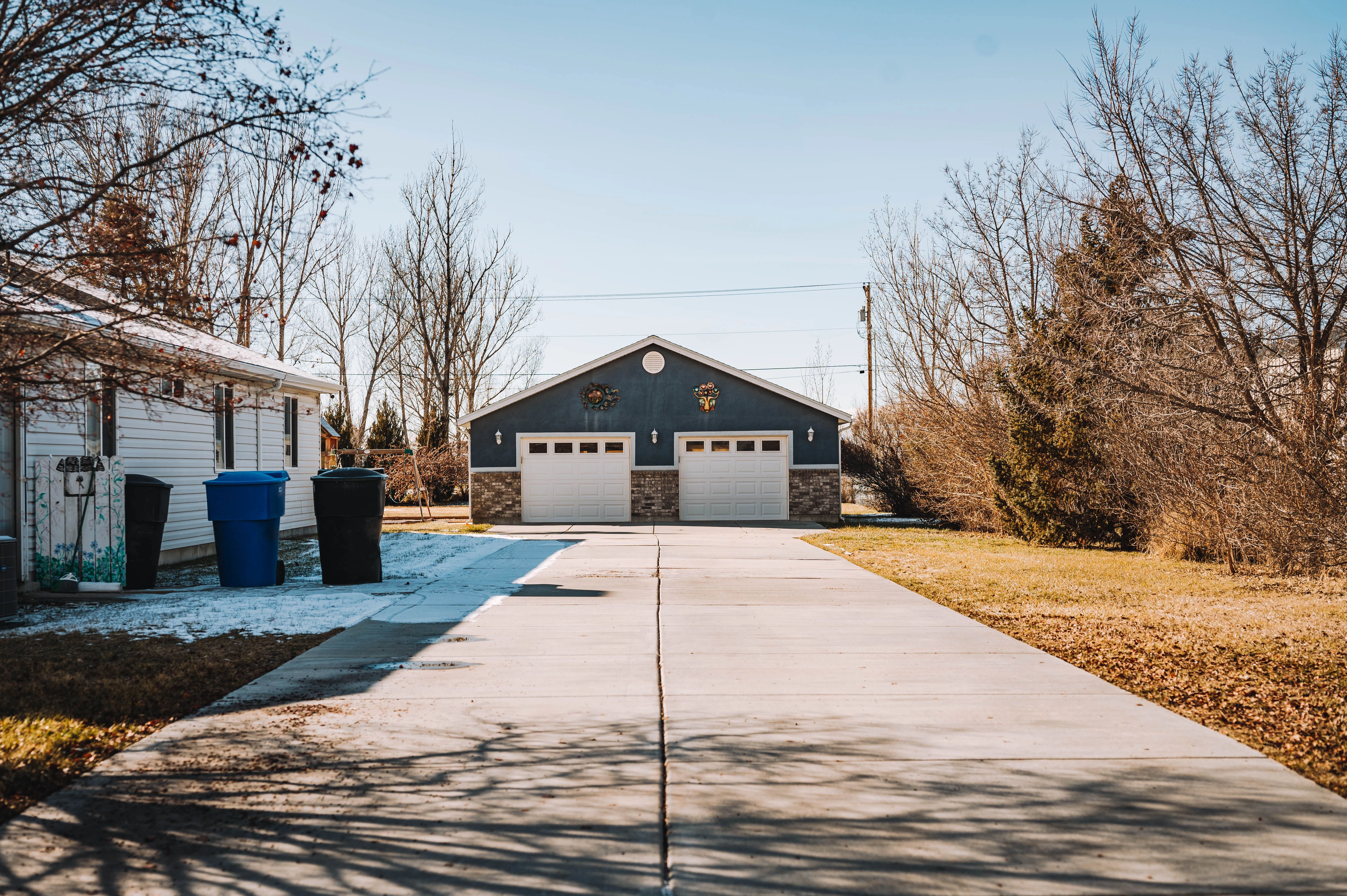
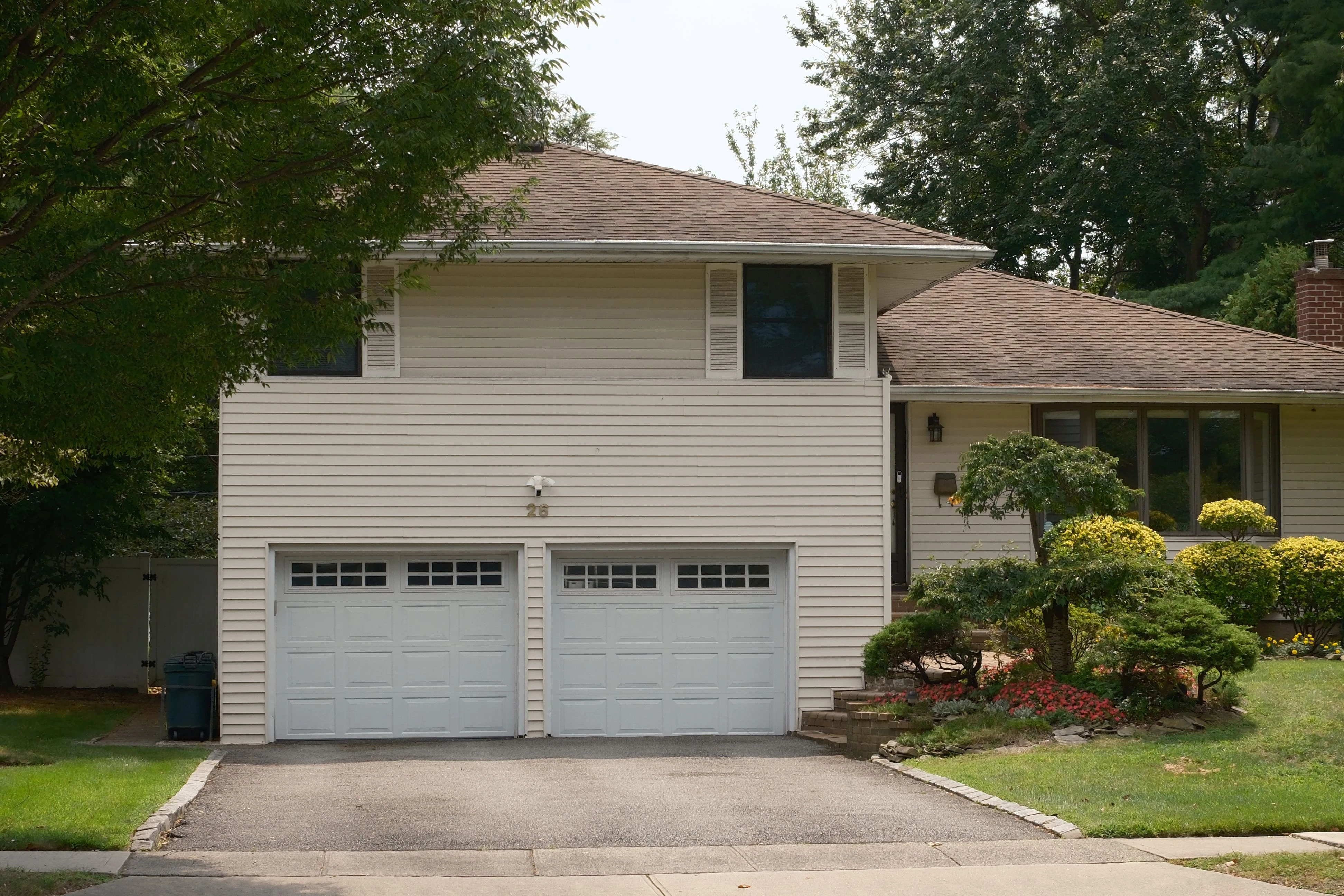
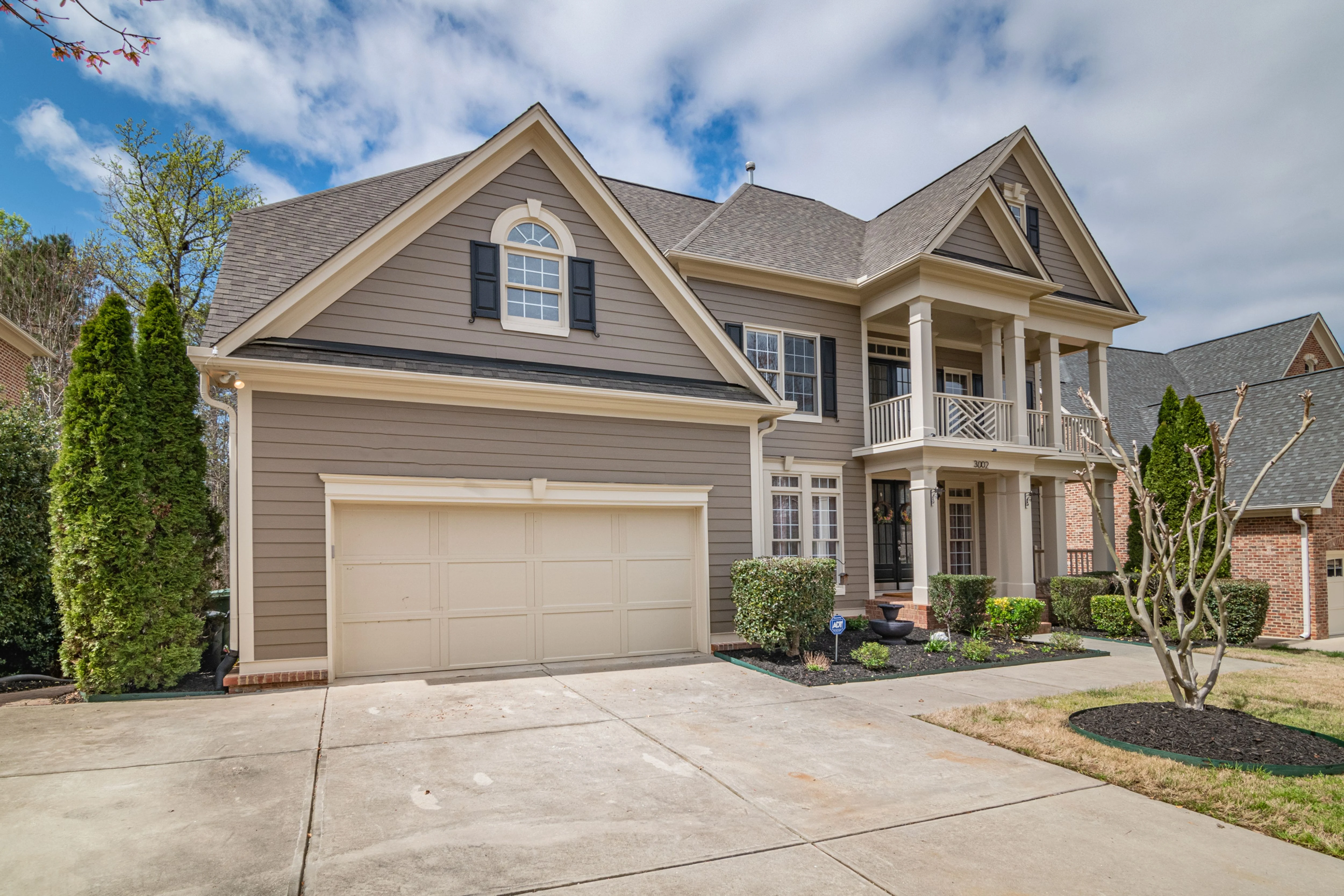
Hanover Park's houses cluster tightly around 1976, which puts most garages here squarely in the second wave of production-built subdivisions rather than the older stock you find closer to the lake or in some of the towns nearer Arlington Heights. That single build year matters more than it sounds. A house from 1976 almost always shipped with a steel sectional door on an extension spring system, not the older wood panel doors on torsion hardware you'd find in a neighborhood built two decades earlier.
Across the wider service area, homes run from 1938 up to 2009, but Hanover Park sits near the middle of that range, in the thick of the 1960s-70s stock that dominates most of the 86 named areas we work in. With 11,210 households here, that means a lot of near-identical openers and near-identical failure points aging out at roughly the same time. We don't have a count of how many of those original doors are still in place versus replaced, so we won't guess at a percentage - but the build year alone tells us what we're likely to find on the truck's parts list before we even get to the driveway.
The area
Common Jobs Here
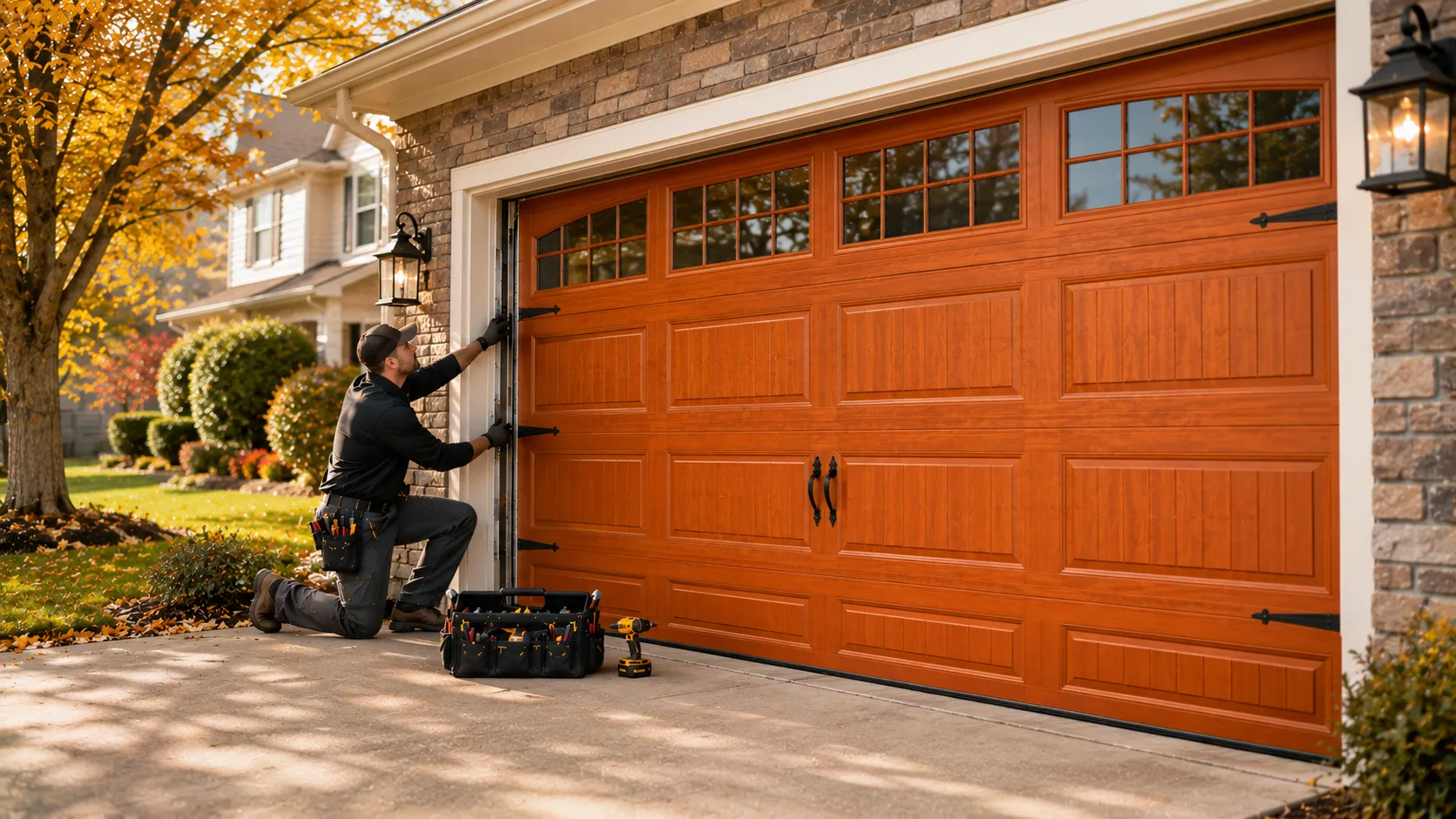
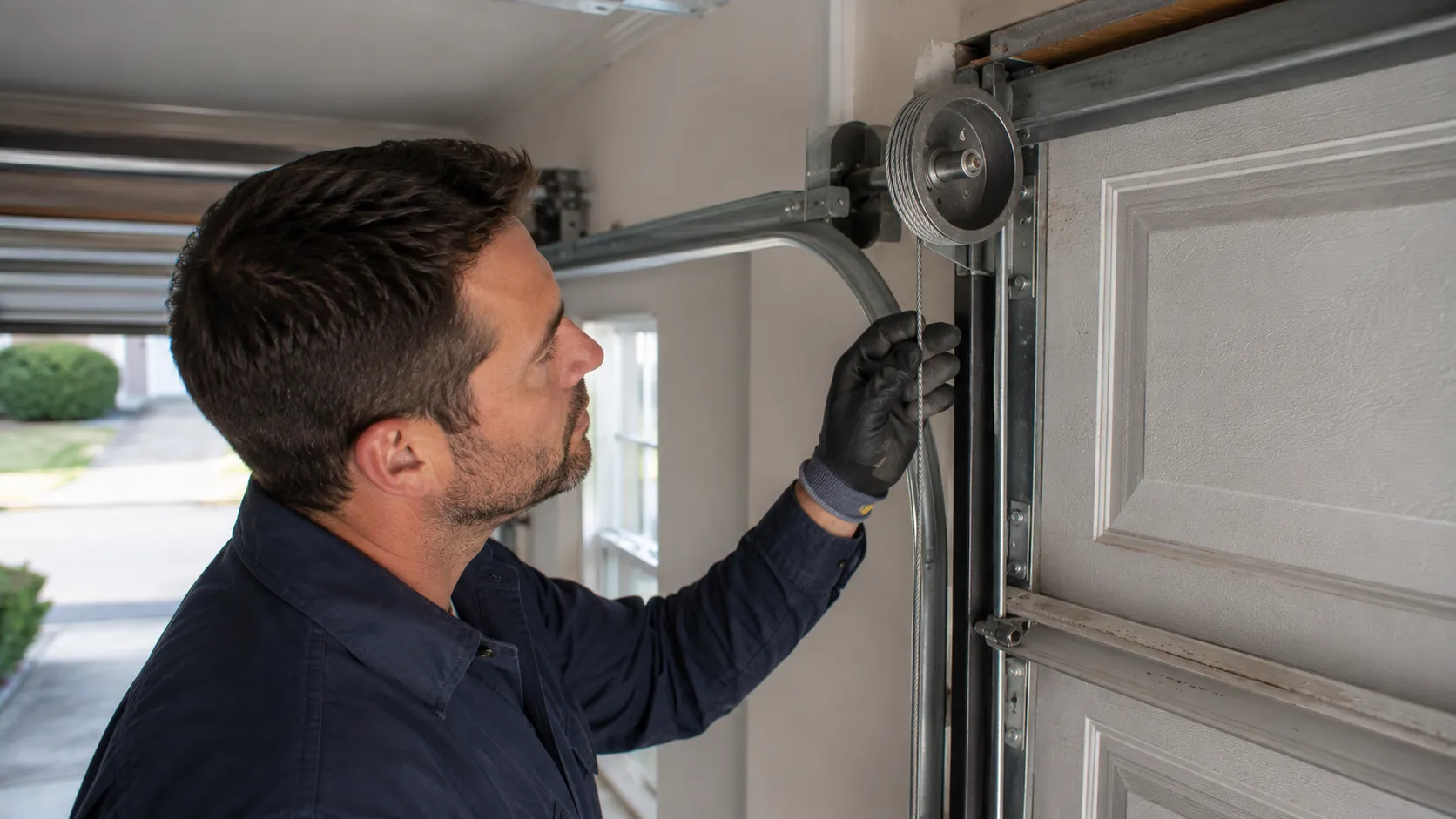
Extension springs from a 1976-era install are past due almost everywhere they still show up, and that's the single most common call tied to this area's housing age. The second is opener replacement - chain-drive units from that build era have outlived their gearing, and owners usually notice when the door starts reversing on its own or grinding on the way up. Rollers and hinges on steel doors this old are also frequently worn past the point of adjustment rather than repair.
We see fewer torsion spring jobs here than in the older pockets of the service area, simply because torsion systems weren't standard on houses built in the mid-70s. Panel damage from backed-into doors and cracked bottom seals round out the rest. None of this is unique to any one street - it's the predictable result of a housing stock that mostly went up in the same decade, on the same builder specs, with the same hardware.
What we find
What Neighbours Usually Call About
The call we get most from Hanover Park is a door that won't fully close, and it usually traces back to worn rollers or a misaligned track rather than the opener itself. Close behind is a spring that's let go - on a 1976-era door that's almost always an extension spring snapping near an end bracket, and it's a job we won't let anyone attempt without the door secured first, since extension springs under tension are dangerous to handle without the right tools.
A smaller share of calls are about a door that reverses right after it touches the floor, which points to the safety sensors or the down-limit setting rather than anything structural. We travel the 12 miles from Arlington Heights for all of these, and honest answer: if the opener motor itself is the problem, sourcing certain older or oddball brand parts can add a day or two before we're back out to finish the job.
How we work
What the Housing Means for Your Door
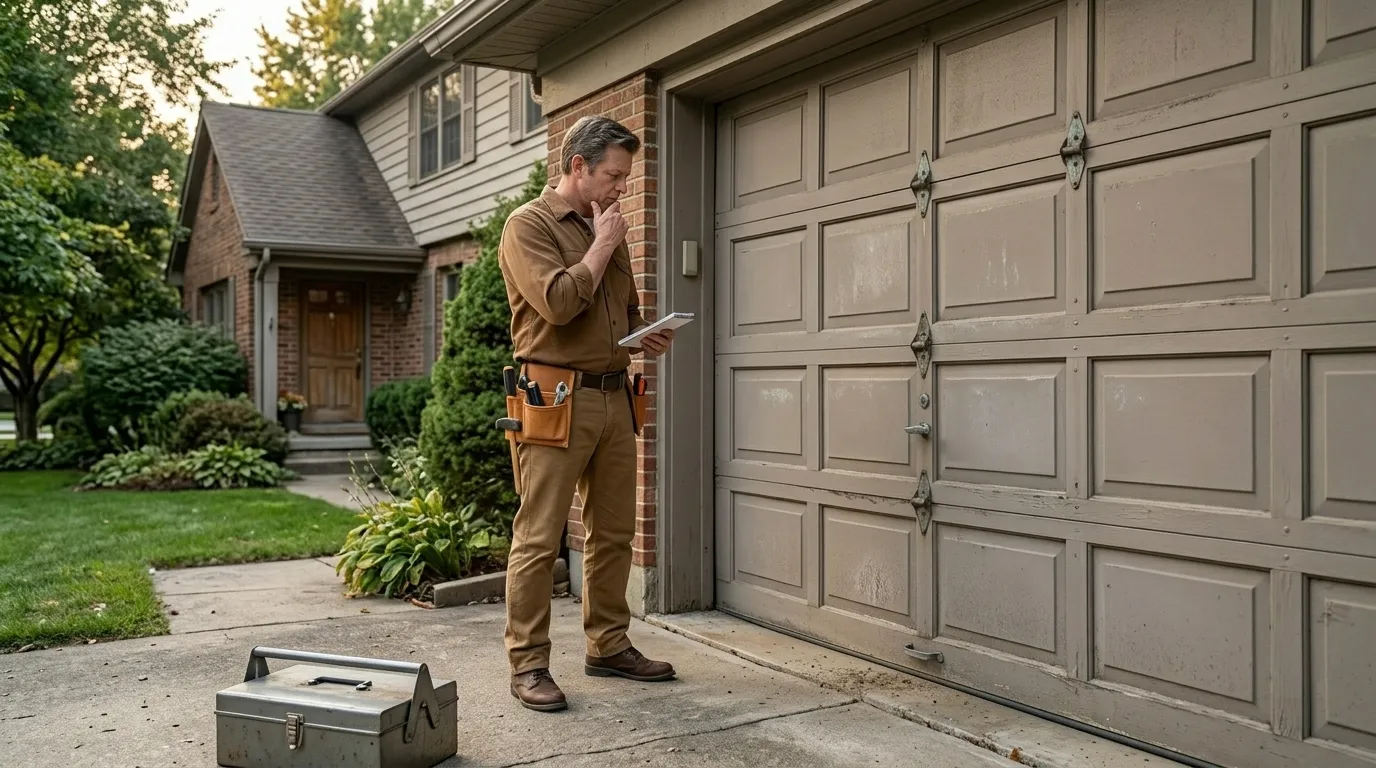
With a median household income of $92,263 in this area, most owners we talk to want a straight answer on repair versus replace rather than an automatic upsell - and with doors this age, that's usually a fair question to ask. A door built in 1976 has had roughly five decades of Chicago-area winters on it, and the service area sits in a climate zone the federal data classifies as severely cold, which is hard on old weatherstripping, hardened lubricant, and steel that's seen enough freeze-thaw cycles to warp slightly at the bottom panel.
That combination - original-era hardware plus severe cold - is why a door that's merely stiff in January often turns into a no-close emergency by February. We'll tell you plainly when a repair is the right call and when the labor cost of chasing thirty-year-old parts no longer makes sense next to a new door and opener.
 86 areas covered
Service areas
Other areas we cover near Hanover Park
Questions
Common questions
Do you have a shop or depot in Hanover Park?
No. We're based in Arlington Heights and travel to Hanover Park, about 12 miles away, for service calls. We don't keep a local depot here, so scheduling runs through the same dispatch as the rest of our coverage area.
Why does my extension spring keep breaking?
Houses built around 1976, which describes most of Hanover Park, typically shipped with extension springs rather than torsion springs. Those springs have a shorter working life than torsion setups, and after decades of severe cold winters, the metal fatigues faster. Replacement is usually cheaper than repeated repair at this point.
Is my opener too old to fix?
If it's an original chain-drive unit from the 1970s, parts availability is limited and repair costs can approach replacement cost. We'll check the model and give you a straight comparison before recommending either path.
Can cold weather really cause a no-close problem?
Yes. The region is classified as severely cold, and stiff or cracked weatherstripping combined with aged spring tension is a common winter failure pattern on doors from this era. It often shows up suddenly in the coldest weeks rather than gradually.
Ready when you are
Need a garage door sorted in Arlington Heights?
Arlington Heights Garage Door Pros repairs and installs garage doors, springs and openers in Arlington Heights, IL and the surrounding area.