
Westchester, Arlington Heights IL
Garage Door Repair for Westchester, IL Homes
Westchester's houses mostly went up around 1957, older than the region's typical 1960s-70s stock. We travel from Arlington Heights to fix the doors and hardware that era left behind.
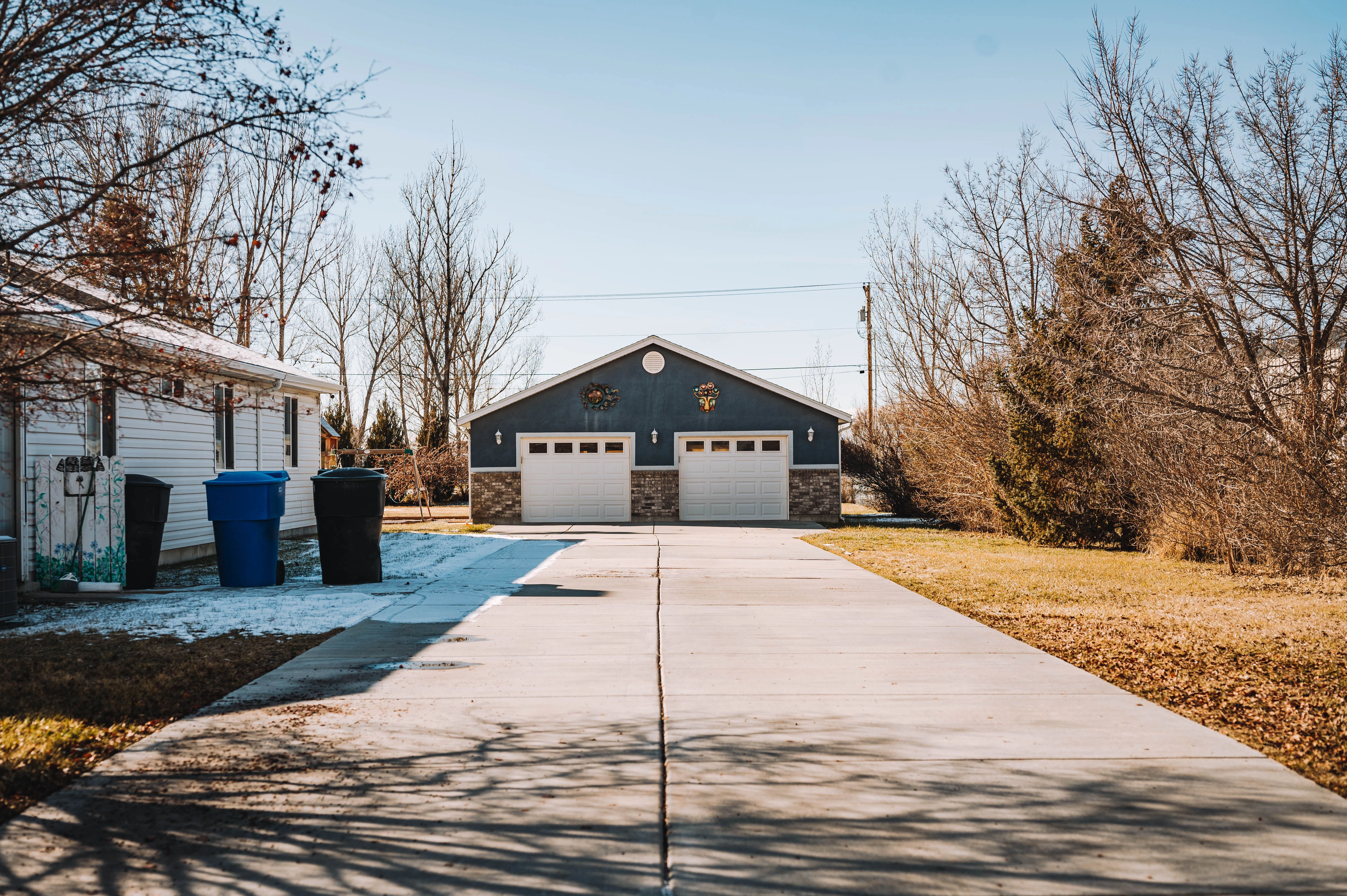
Local detail
This Area's Housing
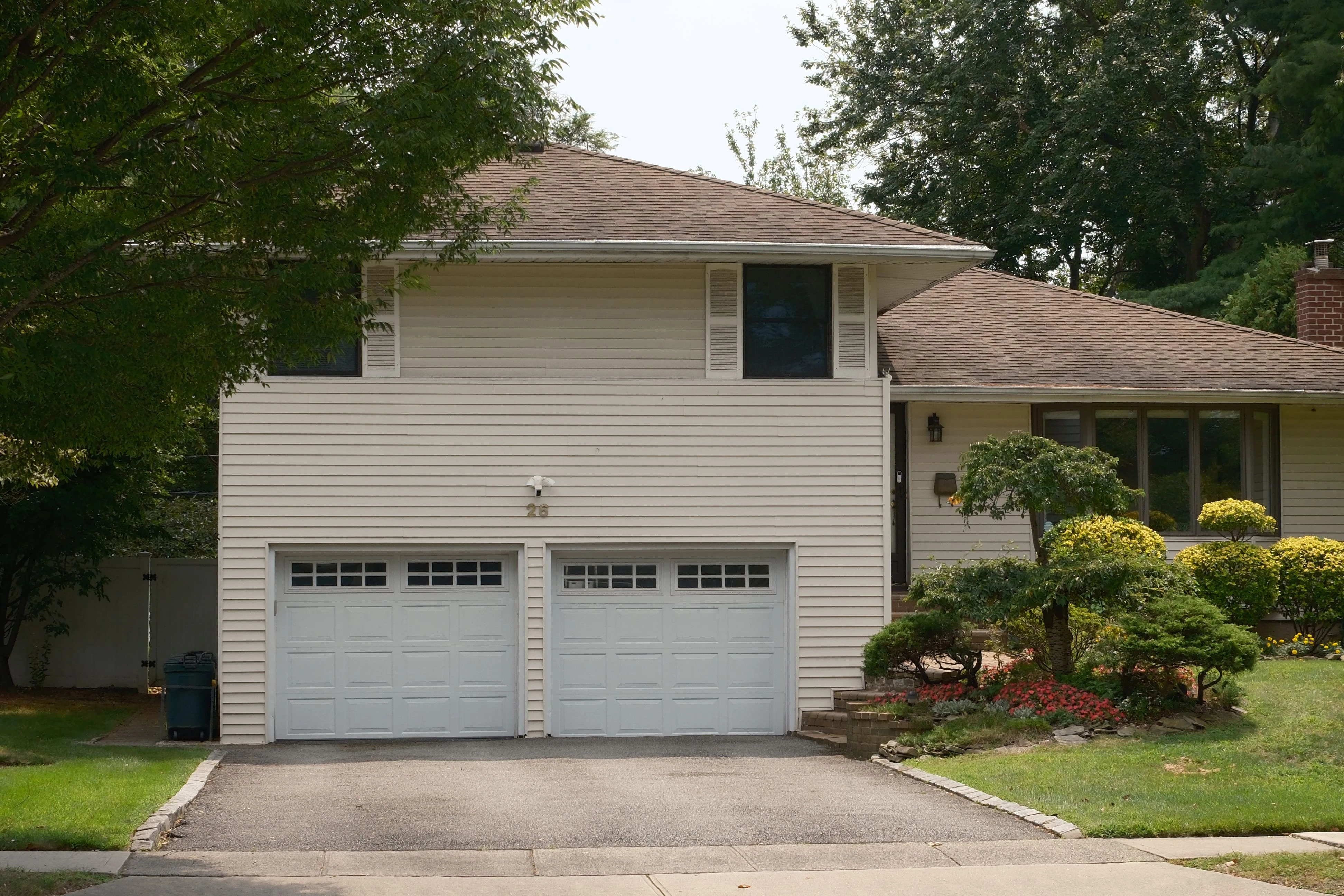
Westchester's median home dates to 1957, a good decade or more ahead of the 1960s-70s stock that makes up most of the wider service area. That gap matters more than it sounds like it should. A door and opener installed or replaced on a 1957 house has usually been through at least one full hardware swap already, sometimes two, and the tracks and jamb framing behind the door were built to dimensions that predate a lot of what's on shelves now. Across the broader area we cover, the median build year runs closer to 1977, with most houses landing in the 1960s and 70s.
Westchester sits outside that curve. With roughly 7,084 households in town, and a median income of $103,561 - close to, but a bit under, the wider area's $109,454 - this isn't a town where people are ripping out original garage structures for something bigger. Most homeowners here are working with what's already framed in, which is often the original opening width and the original header height, neither of which was sized for today's standard door panels.
The area
Common Jobs Here
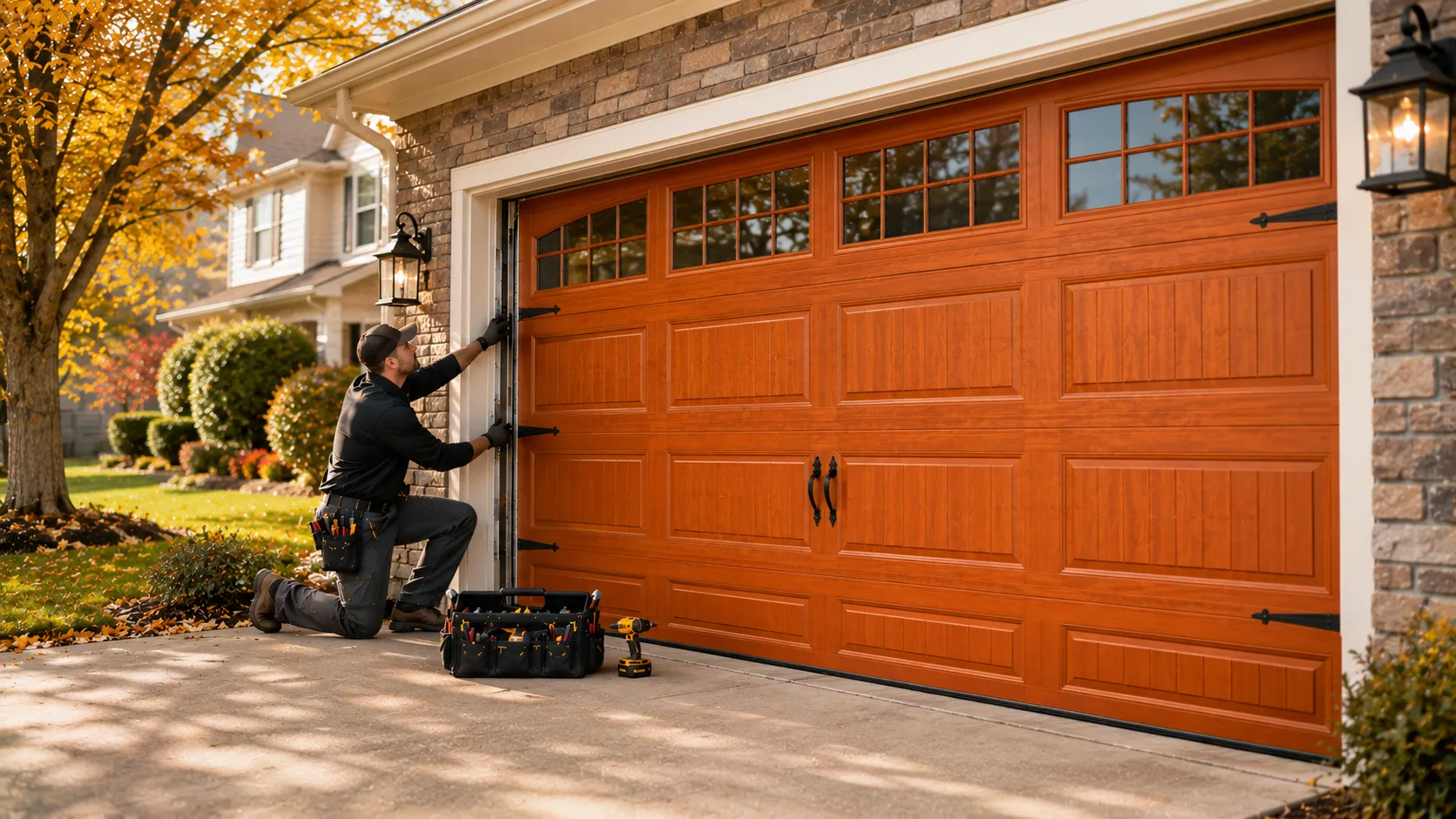
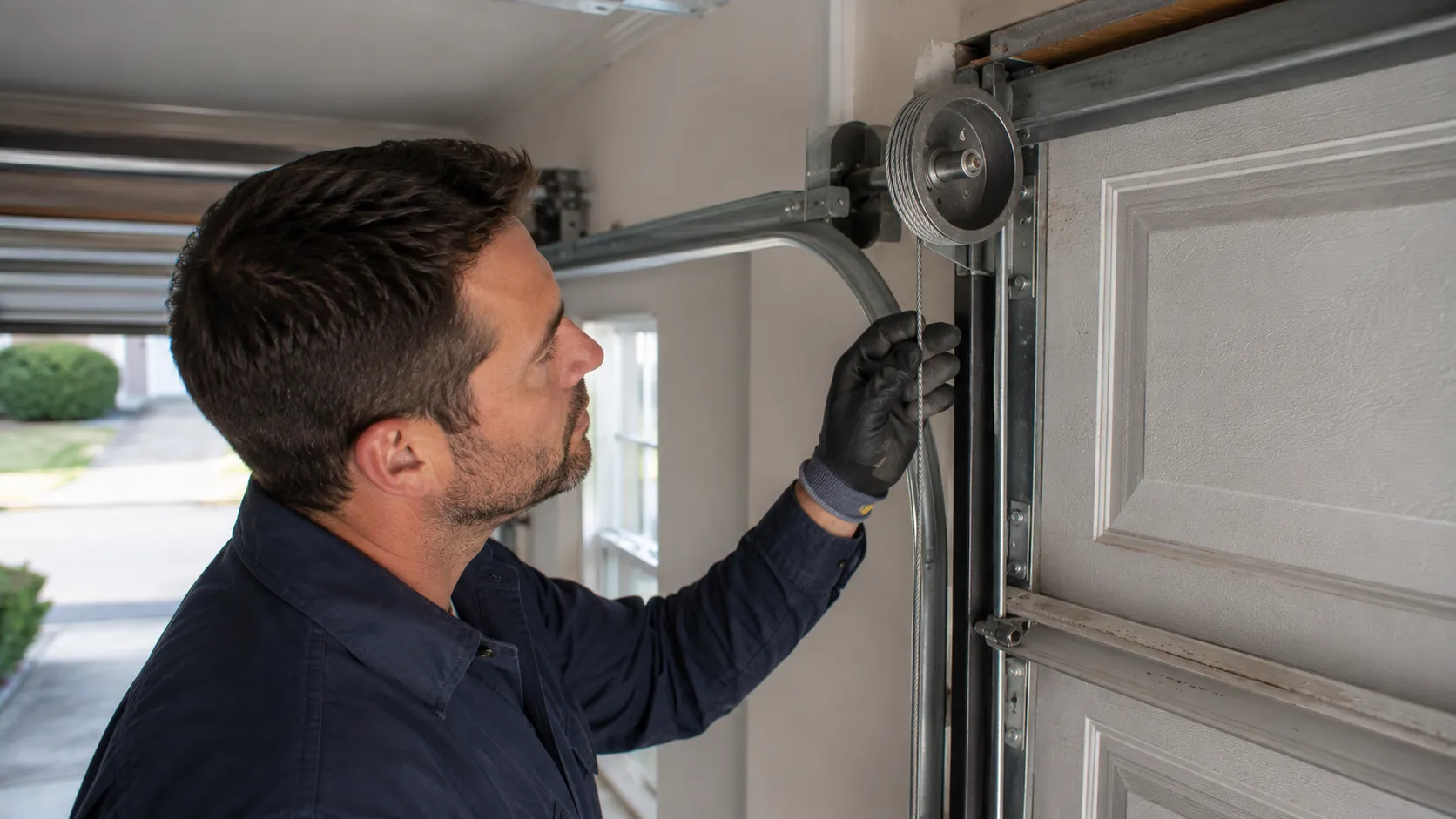
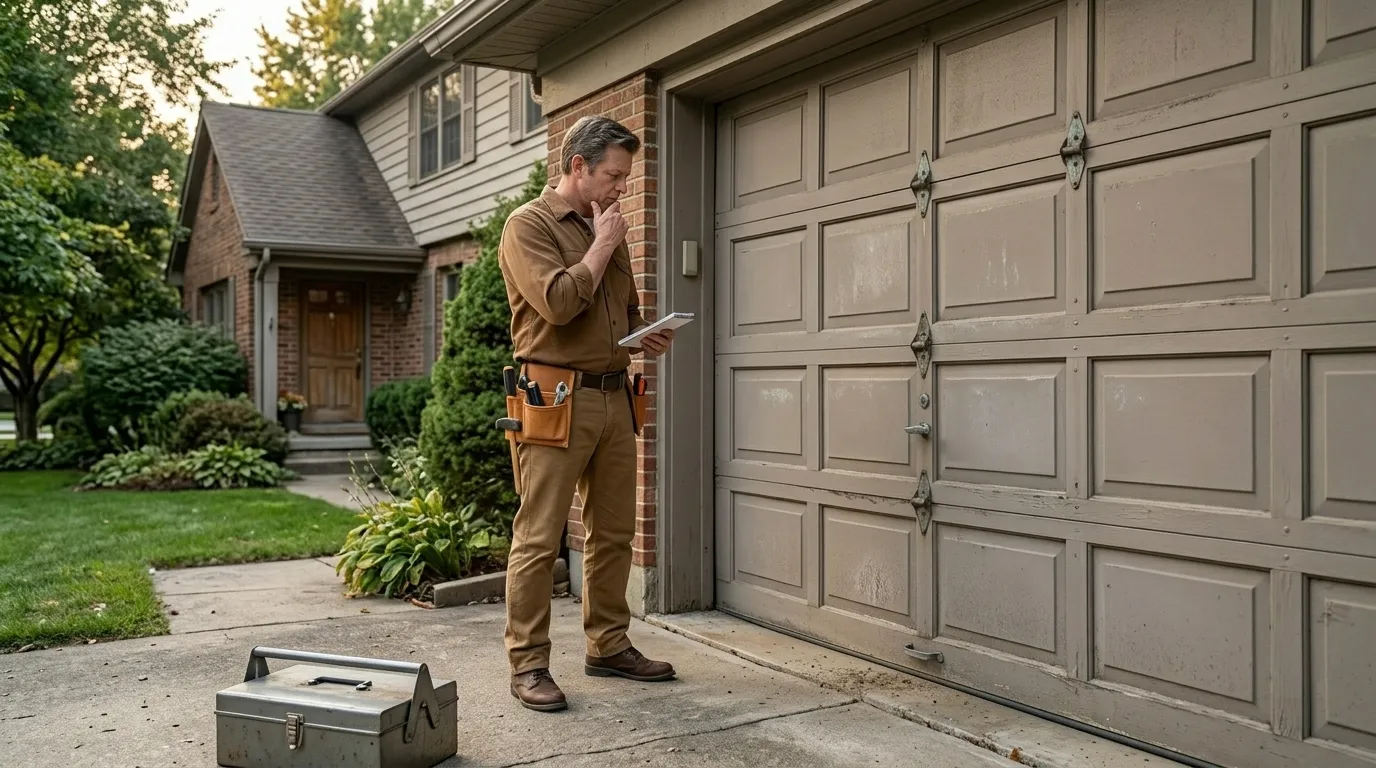
On 1957-era houses, we see a lot of torsion springs that were never upsized when a heavier insulated door replaced a lighter original panel - the spring winds down and the door either won't lift past waist height or slams on the way down. Rollers on steel tracks that have been repainted a few times also seize up more than people expect; the track itself is often original. Openers are usually a second or third-generation unit bolted to framing that wasn't built with a modern opener's mounting pattern in mind, so brackets get improvised.
We also get called for cable fraying on doors that never had a safety cable retrofit added when that became standard practice. None of this is exotic work, but it's not the same punch list you'd get on a house built in 1990.
What we find
What Neighbours Usually Call About
The calls we take from Westchester lean toward doors that bind partway up, openers that run but don't fully close, and springs that let go without warning on a cold morning. That last one ties directly to the area's climate band - classified severe cold - where a torsion spring already carrying decades of wear cycles will often snap on the first hard freeze rather than mid-summer.
We also hear from people whose double door sags on one side; on original 1950s framing, that's frequently a header settling issue as much as a hardware one, and it's worth saying plainly: we can true up a track and adjust hardware, but we don't reframe an opening. If the header itself has shifted enough to be the real problem, that's a carpentry job, not a garage door one, and we'll tell you that instead of patching around it.
How we work
What the Housing Means for Your Door
A door bought for a 1957 opening is rarely a stock size off a truck. Openings from that era run narrower than current standard widths more often than not, and the jamb depth can be shallow enough that modern weatherstripping and bottom seals don't seat the way they're supposed to in severe cold. That's the practical effect of the area's older build year: parts that fit a 2005 house frequently need trimming, shimming, or a different track profile to fit a 1957 one.
It also means torsion spring sizing has to be checked against the actual door weight in front of us, not assumed from a chart built around newer stock. We travel out from Arlington Heights for this work rather than running a shop in Westchester itself, so we plan the trip around what the job needs - if a part has to be special-ordered for an older opening, that adds lead time we'll tell you about up front rather than guess at.
 86 areas covered
Service areas
Other areas we cover near Westchester
Questions
Common questions
Why does my garage door stick partway when it's cold out?
On older Westchester homes, a torsion spring that's been recalibrated once or twice over the decades often loses just enough tension that severe cold - which this area sees as a matter of course - is what finally makes it noticeable. The door doesn't fully break; it just doesn't have the lift it used to. That's almost always a spring adjustment or replacement, not an opener problem.
Will a new standard-size door fit my garage opening?
Not always without modification. Houses from Westchester's 1957 median build year frequently have openings narrower or shallower than current standard sizes. We measure the actual opening before ordering anything, and if trimming or a custom width is needed, we say so before you're committed to a purchase.
Do you have a shop in Westchester?
No. We're based in Arlington Heights and travel out to Westchester for jobs, roughly 18 miles each way. We don't keep a local depot here, so scheduling is built around the drive and the job, not a walk-in counter.
My garage door sags on one side - is that a quick fix?
Sometimes, and sometimes not. On original framing from the 1950s, a sag can be track misalignment, which we can true up, or it can be the header itself settling, which is a structural carpentry issue outside what garage door hardware work can fix. We'll tell you which one we're looking at before doing anything.
Ready when you are
Need a garage door sorted in Arlington Heights?
Arlington Heights Garage Door Pros repairs and installs garage doors, springs and openers in Arlington Heights, IL and the surrounding area.