Glendale Heights, Arlington Heights IL
Garage Door Repair for Glendale Heights, IL Homes
Arlington Heights Garage Door Pros serves Glendale Heights homes built mostly in the late 1970s, fixing torsion springs, openers, and tracks from that era.
Local detail
This Area's Housing
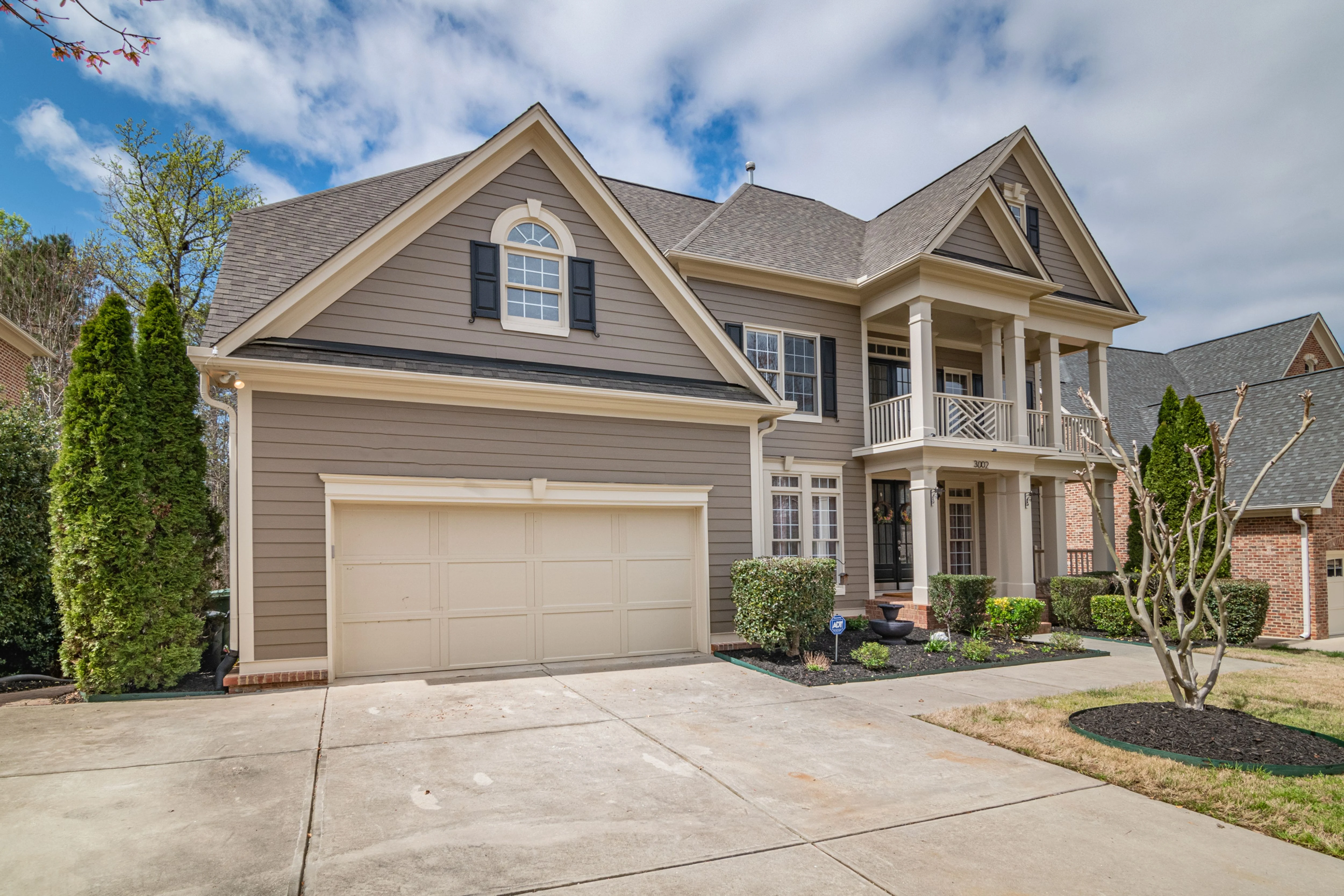
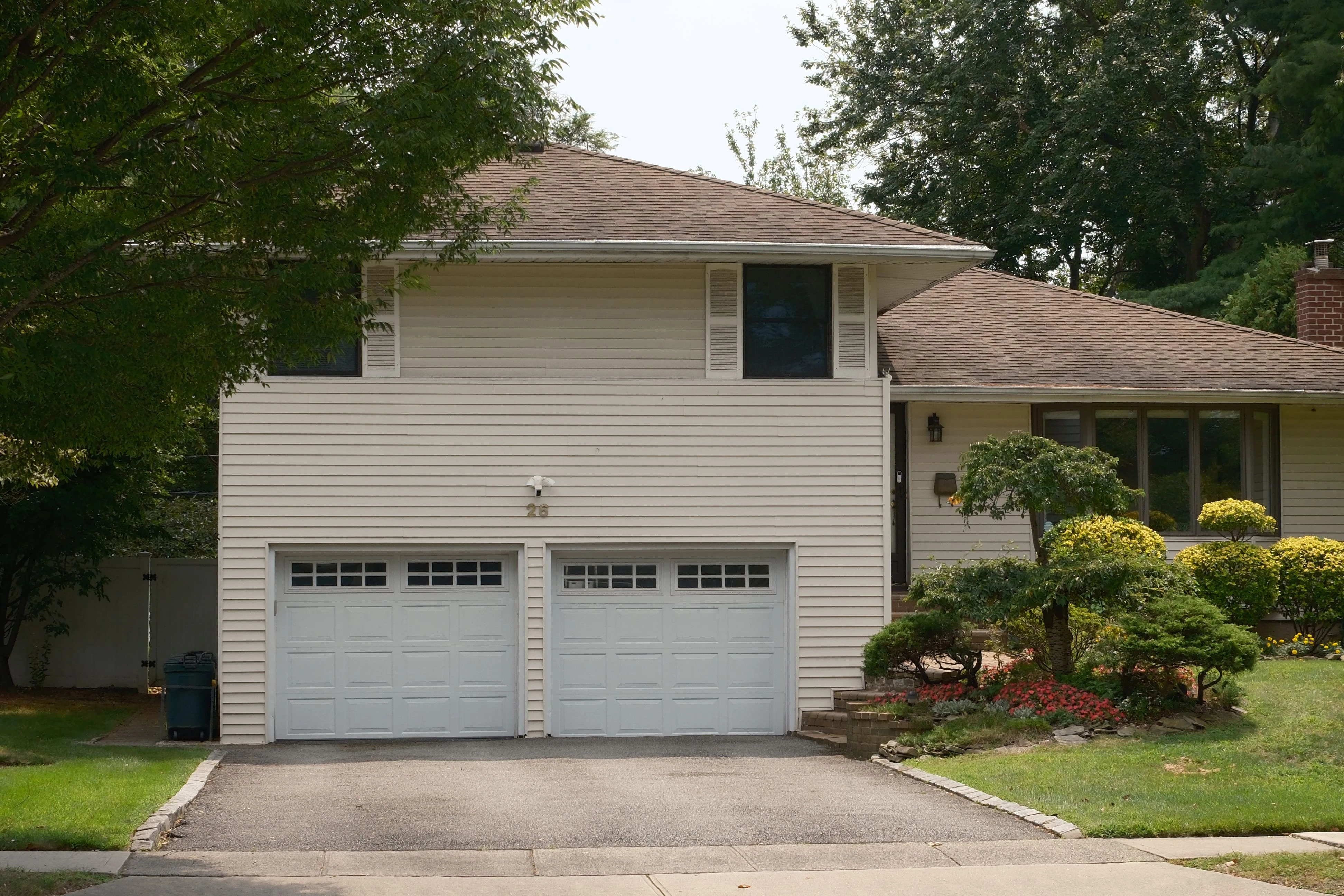
Most houses in Glendale Heights went up around 1978, a bit later than the 1960s-70s stock that dominates much of the wider service area. That gap matters more than it sounds. A door and opener installed in the late 70s used different spring sizing, different track gauges, and often a chain-drive opener that's now on its third or fourth remote. With 11,396 households in this pocket alone, that's a lot of original hardware still hanging on well past its expected life.
The area sits in a severe cold-winter climate band, which is hard on garage doors of any age but especially hard on ones built before modern weatherstripping and insulated panel standards existed. Steel contracts in the cold, lubricant thickens, and springs that were already tired from forty-plus winters give out faster than they would somewhere milder.
Median household income here runs $82,232, noticeably below the $109,454 median across the broader service area. That's worth mentioning because it shapes the calls we get: more repair requests, fewer full replacements, and more questions about whether a part is worth fixing versus swapping the whole door.
The area
Common Jobs Here
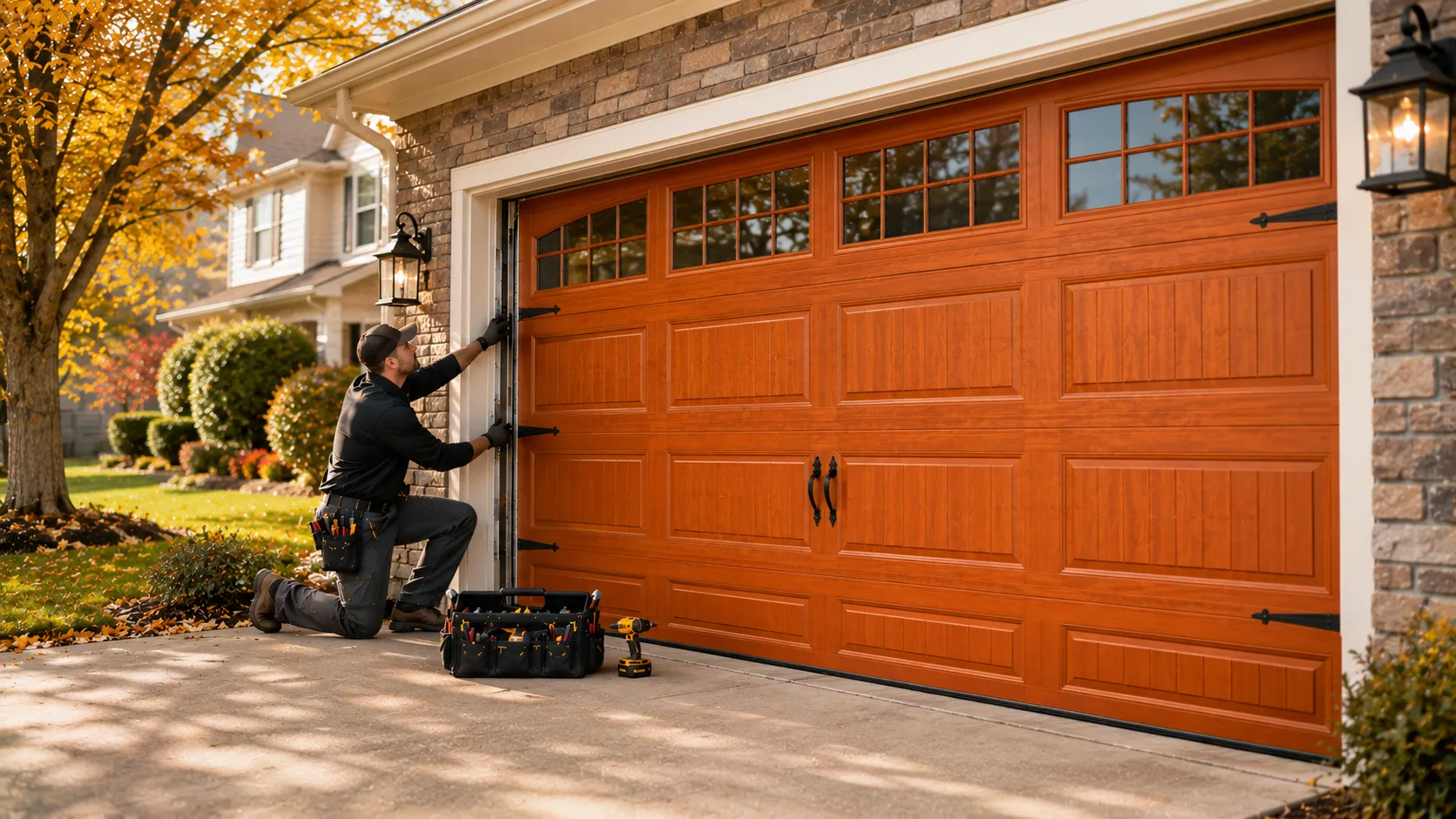
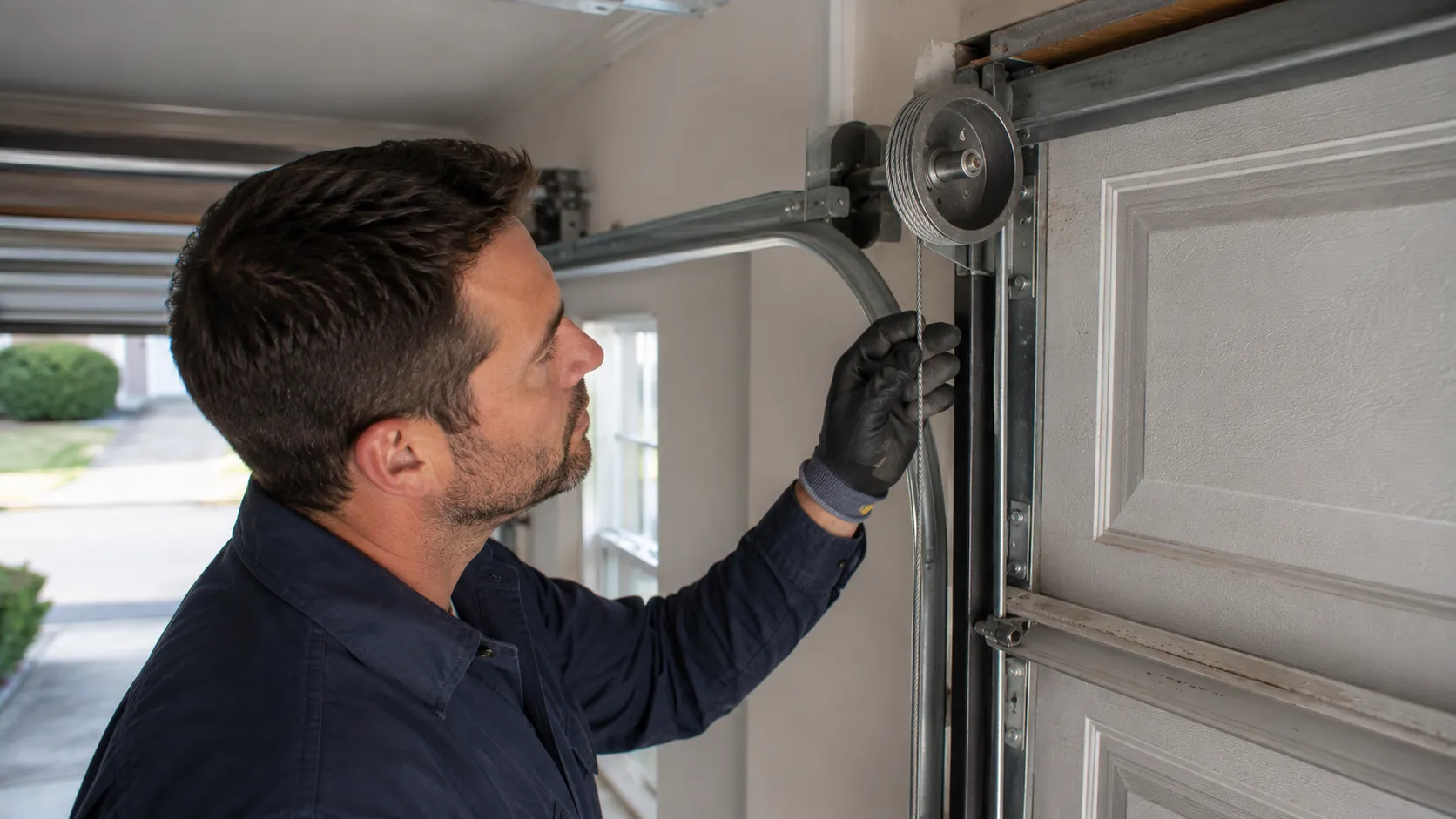
The most common call from this era of house is a broken torsion spring, usually one that's simply reached the end of its cycle count after decades of daily use. Doors from the late 1970s were often built with single-spring setups that carry the whole load alone, so when that spring goes, the door doesn't move at all.
Second most common: opener replacement. A lot of these houses still run chain-drive openers from an earlier remodel, and once the circuit board or drive gear fails, parts for that generation aren't always sitting on a shelf anywhere. We'll tell you straight if a replacement opener makes more sense than hunting down an obsolete board.
Third is track and roller wear. Original steel rollers on 40-plus-year-old track tend to bind up first in cold weather, before they fail outright, so a scraping or grinding noise on a January morning is a familiar complaint. We also see cracked bottom panels on the original steel doors, since that generation wasn't insulated the way newer doors are, and cold makes brittle steel worse.
What we find
What Neighbours Usually Call About
Cold snaps bring the spring calls. A torsion spring that's been fine for years will often let go on the coldest morning of the stretch, because steel loses flexibility as it gets cold and the extra strain finishes off a spring that was already near the end. If your door suddenly won't lift, or lifts a few inches and stops, that's usually it.
After that, the most frequent call is a door that reverses or won't close, which almost always traces back to the safety sensors near the bottom of the track. Sensors get bumped, dirty, or slightly out of alignment, and on older openers there's no diagnostic light to tell you why - just a door that stops and reverses every time.
We also hear from people whose remote stopped working out of nowhere. On original 70s and 80s-era openers, that's often a dying circuit board rather than a dead remote battery, and once that board goes, the whole opener usually needs to come out.
How we work
What the Housing Means for Your Door
Put the pieces together and the picture here is pretty consistent: houses built around 1978, in a climate that punishes aging steel and old spring wire, owned by households where a $600 repair matters more than it would somewhere with a higher median income. That's the job we're usually called out for - keeping an original door and opener running a few more years rather than pushing straight to replacement.
Worth saying plainly: we don't keep a depot in Glendale Heights. We run out of Arlington Heights, about 13 miles away, and that drive is built into how we schedule the day. It doesn't change the repair, but it does mean we're not the crew to call for a same-hour emergency fix - we tell people that upfront rather than promise a truck that isn't around the corner.
One more honest limit: some original hardware from this era, especially certain opener boards and non-standard spring wire gauges, isn't something we can source overnight. When that happens, replacement is usually faster and often cheaper than waiting on a discontinued part.
 86 areas covered
Service areas
Other areas we cover near Glendale Heights
Questions
Common questions
Why do so many garage doors in Glendale Heights fail in winter?
Most of the doors here date to around 1978, and cold makes old spring steel more brittle. A spring that's been marginal for a year or two often finally breaks on the coldest morning of a stretch, since the metal has less give and the extra strain is enough to finish it off.
Do you have a shop in Glendale Heights?
No. We work out of Arlington Heights, about 13 miles from Glendale Heights, and travel here for jobs. We're upfront that this isn't a same-hour emergency setup - we build the drive into scheduling rather than promise a truck that's already nearby.
Is it worth repairing an opener from the 1970s or 80s?
Sometimes. If it's a spring or roller issue, repair almost always makes sense. If the opener's circuit board has failed, parts for that generation aren't always available, and a new opener is often the faster and cheaper route than hunting down a discontinued board.
Are original garage doors from this era insulated?
Most steel doors installed around 1978 in this area predate common insulated-panel standards, so they're thinner and more prone to cracking in cold weather. If you're feeling a lot of cold air through the door, that's usually why, not a sign of damage.
Ready when you are
Need a garage door sorted in Arlington Heights?
Arlington Heights Garage Door Pros repairs and installs garage doors, springs and openers in Arlington Heights, IL and the surrounding area.