
Guide
Why Your Spring Picked the Coldest Night of the Year to Go
A look at why torsion springs on Arlington Heights garage doors snap most often in winter, tied to the area's 1960s-70s housing stock and severe cold climate rating.
Local detail
How Local Conditions Play In
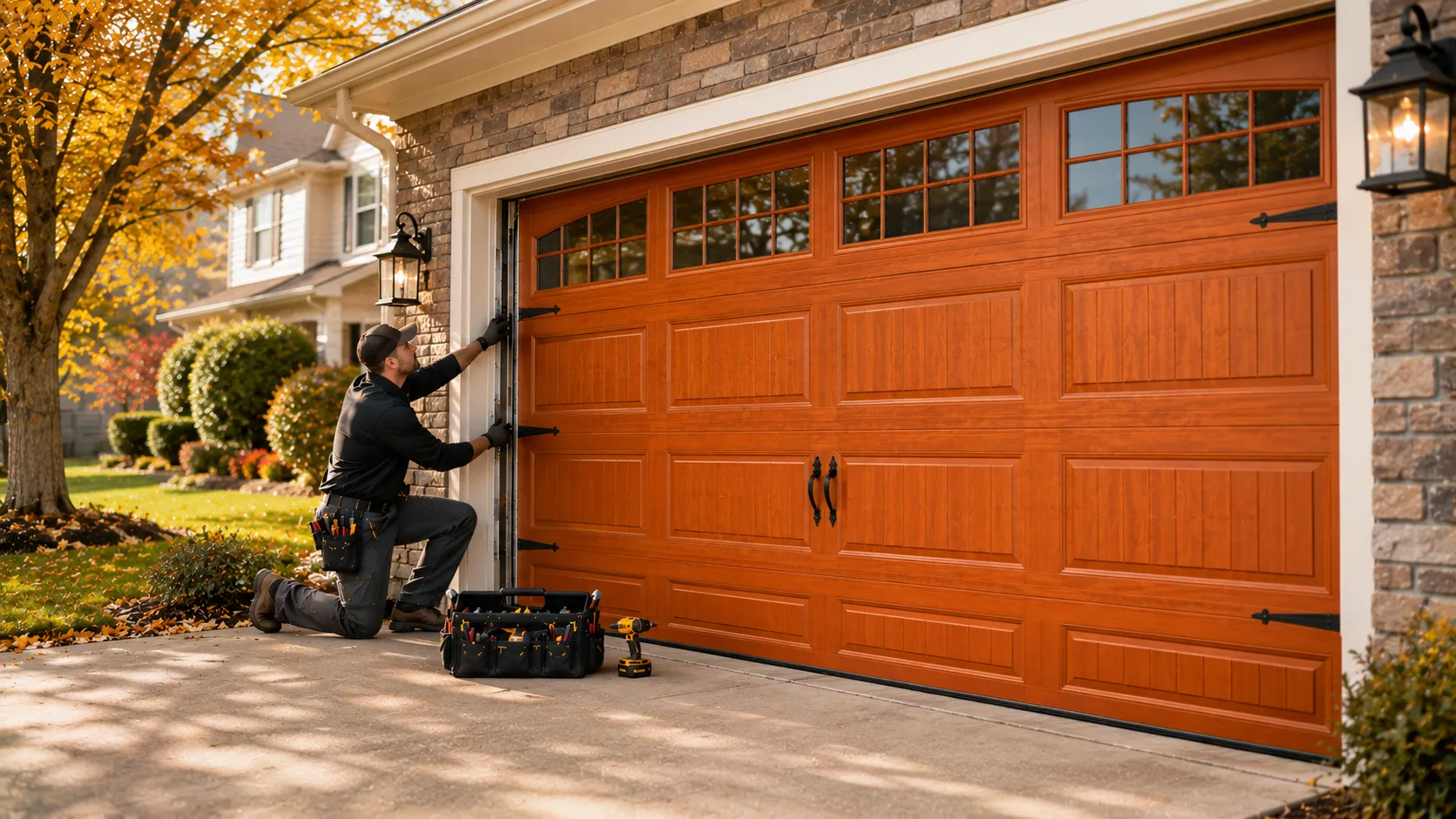
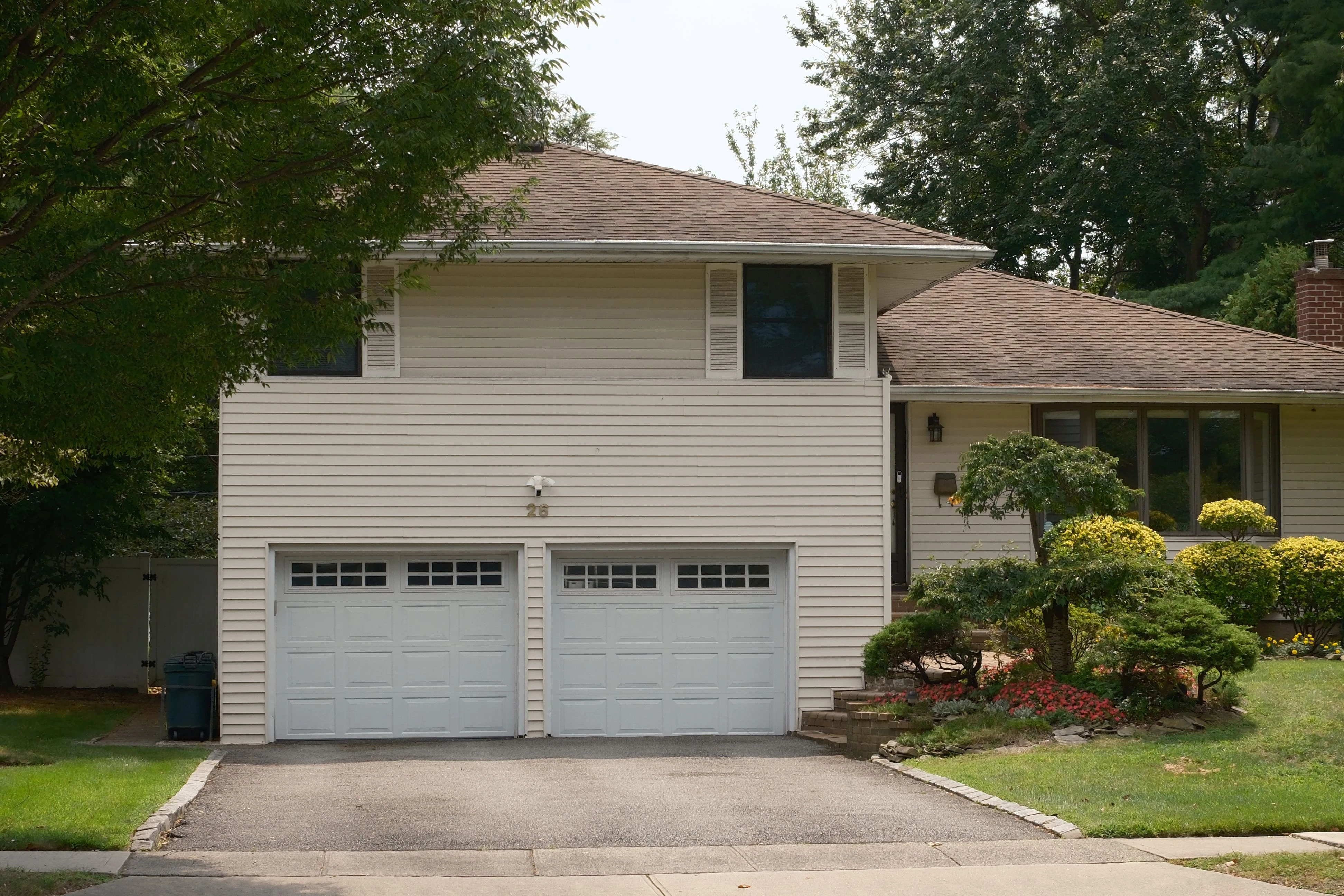
Arlington Heights sits inside a climate band rated cold and severe, and that matters more for springs than almost anything else in the garage. Steel doesn't like temperature swings, and torsion springs live under constant tension whether it's 70 degrees or 5 below. Most houses in this area were built between 1938 and 2009, with the typical build year landing around 1977, and a big share of the surrounding stock - the 86 named areas that make up this service area - leans into 1960s and 70s construction.
That means a lot of original or first-replacement torsion springs on hardware that predates the coil-wound, weather-treated wire that's standard now. Older wire gets brittle faster once it's cycled through enough freeze-thaw swings, and a spring that's been quietly losing tensile strength for a decade will usually pick the coldest week to let go, not the mildest one. It's not bad luck.
It's metal fatigue meeting cold, and it happens on a predictable schedule if nobody's looked at the spring in years. Garages here aren't heated the way living space is, so the door hardware experiences the outdoor swing almost directly, especially on an attached garage with a single layer of drywall between it and the house.
The area
When It Stops Being a DIY Job
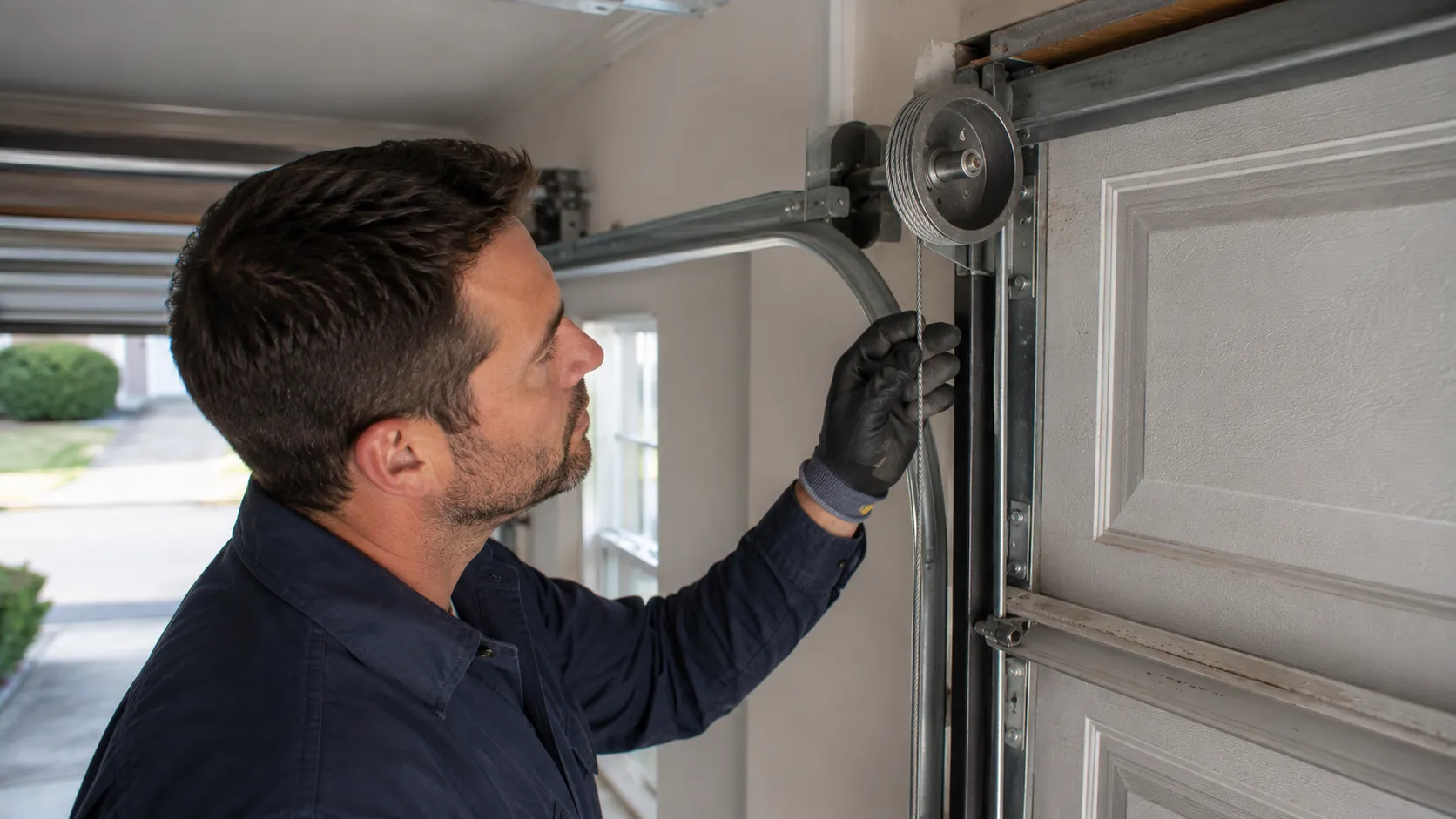
A spring under tension is not a bracket or a sensor - it's the one part of the door that can put someone in the hospital if it lets go while you're working on it. If a torsion spring has snapped, the door is dead weight on cables and a track, and that's a call, not a project. We'll say plainly what we don't do: we don't recommend DIY spring replacement on torsion systems, and we won't walk someone through it over the phone.
Winding bars, a spring rated for the wrong door weight, or a cable that's already frayed from cold-weather stiffness are the three ways this goes wrong fast. If the issue is a noisy roller or a sticking track, that's more forgiving territory and a homeowner with basic tools can often handle it. But once a spring is involved - cracked, unwound, or making that flat metallic pop - it's time to step back and call it in.
What we find
Doing Nothing For Now
Leaving a snapped spring alone through a cold stretch doesn't just mean a stuck door. The opener will keep trying to lift the full weight of the door on its own, and that burns out the motor or strips the gear inside faster than in warmer months when the door isn't already fighting stiff cables and cold-hardened rollers. On the older builds common across this area - plenty from that 1960s-70s wave - a single spring was often sized for a lighter door than what's on the opening now if the door's ever been swapped out. That mismatch gets worse, not better, the longer it sits.
A door stuck open is a security problem and a heat-loss problem in a climate rated this cold. A door stuck shut means no vehicle access until someone deals with it. Waiting doesn't save the spring; it usually costs the opener too.
How we work
What Is Going On
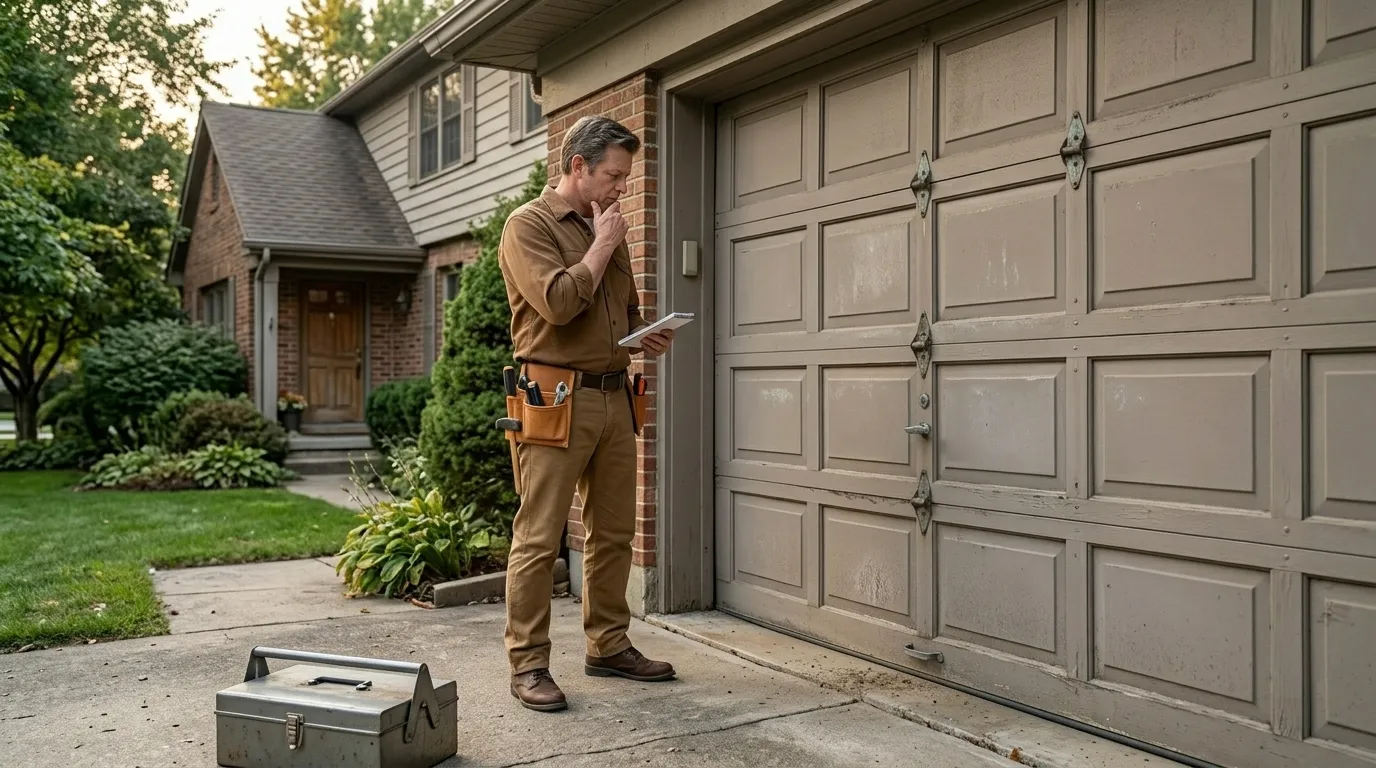
Torsion springs store energy by twisting steel wire around a shaft, and that wire has a fatigue life measured in cycles - open and close counts - not years on the calendar. Cold makes the wire less flexible right at the moment it's asked to flex the same amount it always has. On a house built anywhere in that 1938 to 2009 range, with median construction around 1977, springs original to the house or installed decades ago are well past any reasonable service life, and the cold is just the trigger, not the cause.
With 223,811 owner-occupied houses across this service area and a median household income of $109,454, a lot of owners are dealing with exactly this same aging hardware right now, just at different points on the failure curve. What's actually going on when a spring snaps in January is years of wear finding its moment, not a single bad night of weather.
Questions
Common questions
Why did my spring break on such a cold night specifically?
Cold steel is less flexible, and a torsion spring that's already fatigued from years of cycling has less give left to work with. The wire was going to fail eventually - a hard freeze just tends to be the moment it happens, since the metal is stiffest and least forgiving right then.
Is a spring that broke in winter more dangerous to deal with than one that breaks in summer?
The mechanics are the same, but cold makes cables and rollers stiffer too, so more parts than usual are under stress. It's still not a job to handle solo regardless of season - the spring itself is the hazard, not the weather.
My house is from the 1960s - does that mean my springs are original?
Not necessarily, but it's common on houses from that era for the springs to have been replaced once, maybe twice, and never upgraded to match a heavier replacement door if one was installed later. Worth having it checked rather than assumed.
Should I just replace the opener too if the spring goes?
Only if the opener's already shown signs of strain - grinding, slow travel, or it struggled with the door before the spring broke. A spring failure that's caught quickly usually doesn't take the opener down with it.
Ready when you are
Need a garage door sorted in Arlington Heights?
Arlington Heights Garage Door Pros repairs and installs garage doors, springs and openers in Arlington Heights, IL and the surrounding area.