
Round Lake, Arlington Heights IL
Garage Door Service for Round Lake's 2003-Era Homes
Round Lake homes mostly date to 2003, newer than the wider Arlington Heights service area. We drive 18 miles to fix doors built for severe northern winters.
Local detail
This Area's Housing
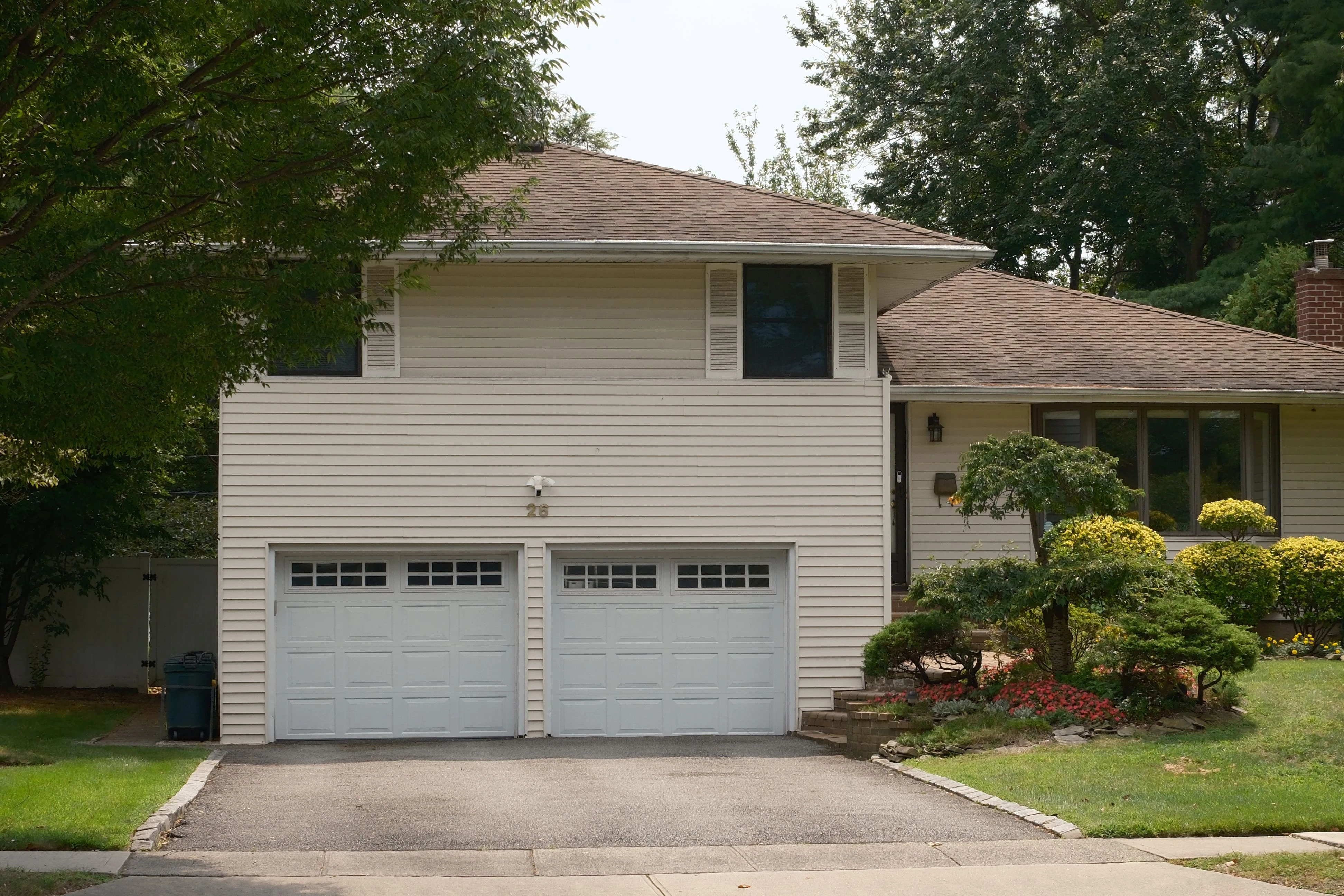
Round Lake's housing stock centers on 2003 as a median build year - noticeably newer than the 1977 median across the rest of the Arlington Heights service area, where most stock still dates to the 1960s and 70s. That gap matters more than it sounds. A door installed in a house built in 2003 came with a factory torsion spring rated for a specific door weight, a chain or belt-drive opener with an early circuit board, and steel rollers that were standard at the time, not the sealed nylon rollers builders spec today.
Twenty-plus years in, that's exactly the hardware that starts failing - not because it was built poorly, but because torsion springs are rated for a cycle count and openers of that generation are reaching the end of their expected service life at the same time, house by house, across the same few subdivisions. With 6,271 households in Round Lake, most sitting inside a fairly narrow build window, we see the same three or four failure points repeat block after block rather than a wide mix of eras and door types.
The area
Common Jobs Here
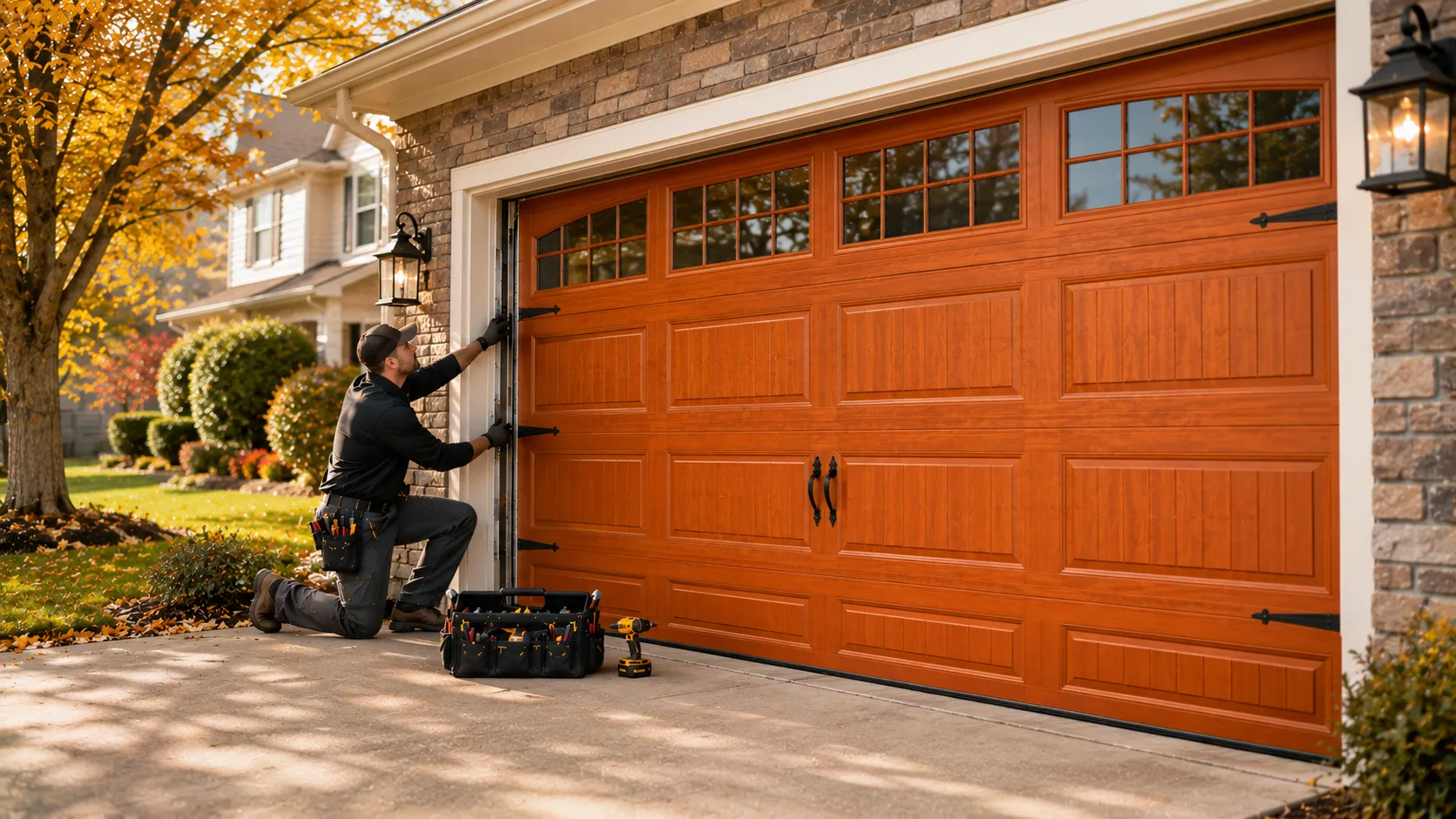
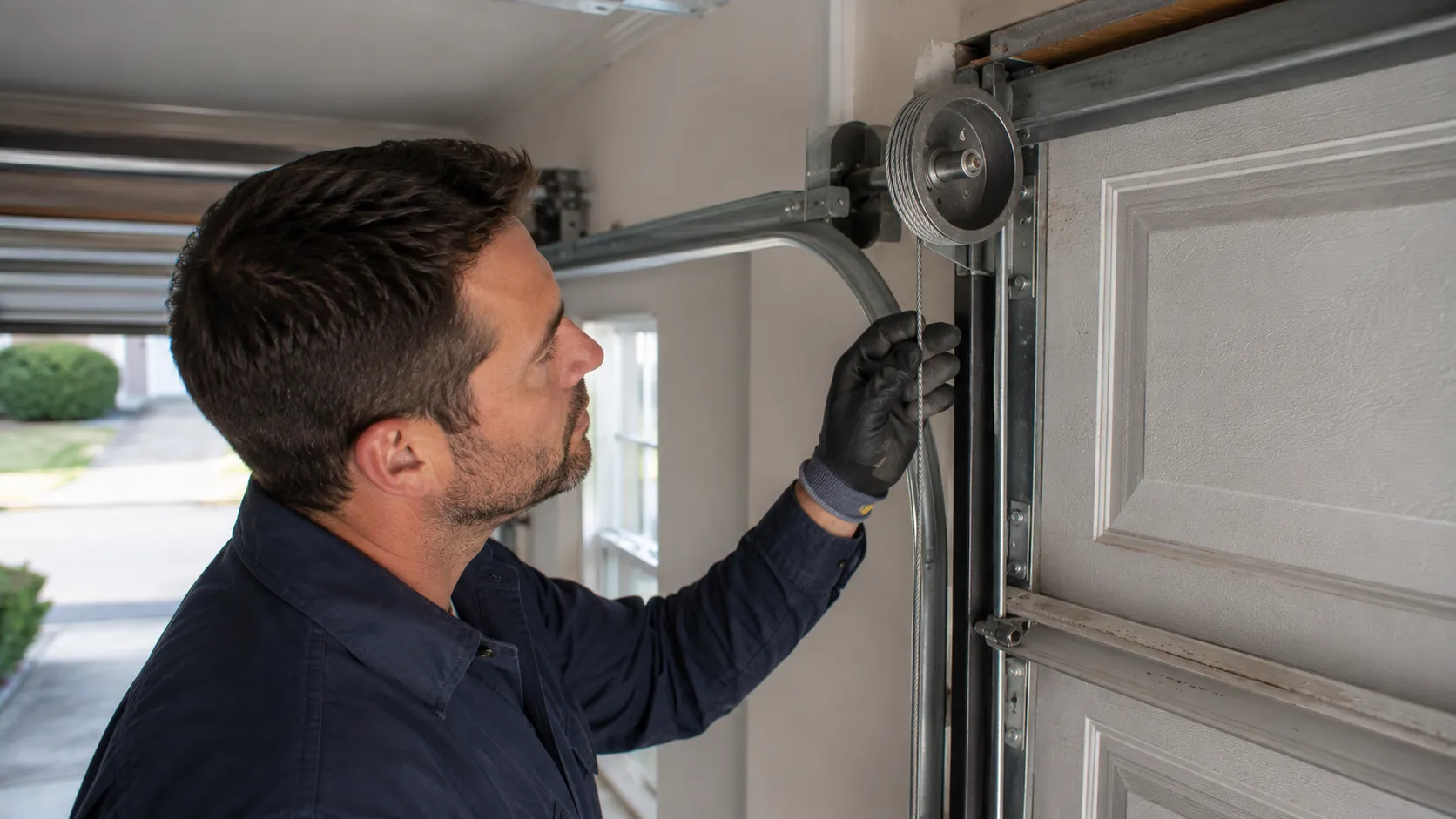
The jobs we run in Round Lake skew toward age-related failure rather than storm damage or accident repair. Torsion springs that shipped with 2003-era doors are past or near their rated cycle count, and when one goes, it usually takes the opener's drive gear or a cable with it if the door's been run on a dying spring for a while. Openers from that build era are also due - the logic boards on chain and screw-drive units from the early 2000s don't have the surge protection or rolling-code security that current units carry, and parts for some of those boards are getting hard to source.
We also see steel rollers wearing grooves into track that was fine for the first fifteen years and isn't fine now. What we don't do is stock every discontinued opener board - if your unit is old enough that the manufacturer no longer makes the part, replacement is usually the honest answer over a repair that won't hold.
What we find
What Neighbours Usually Call About
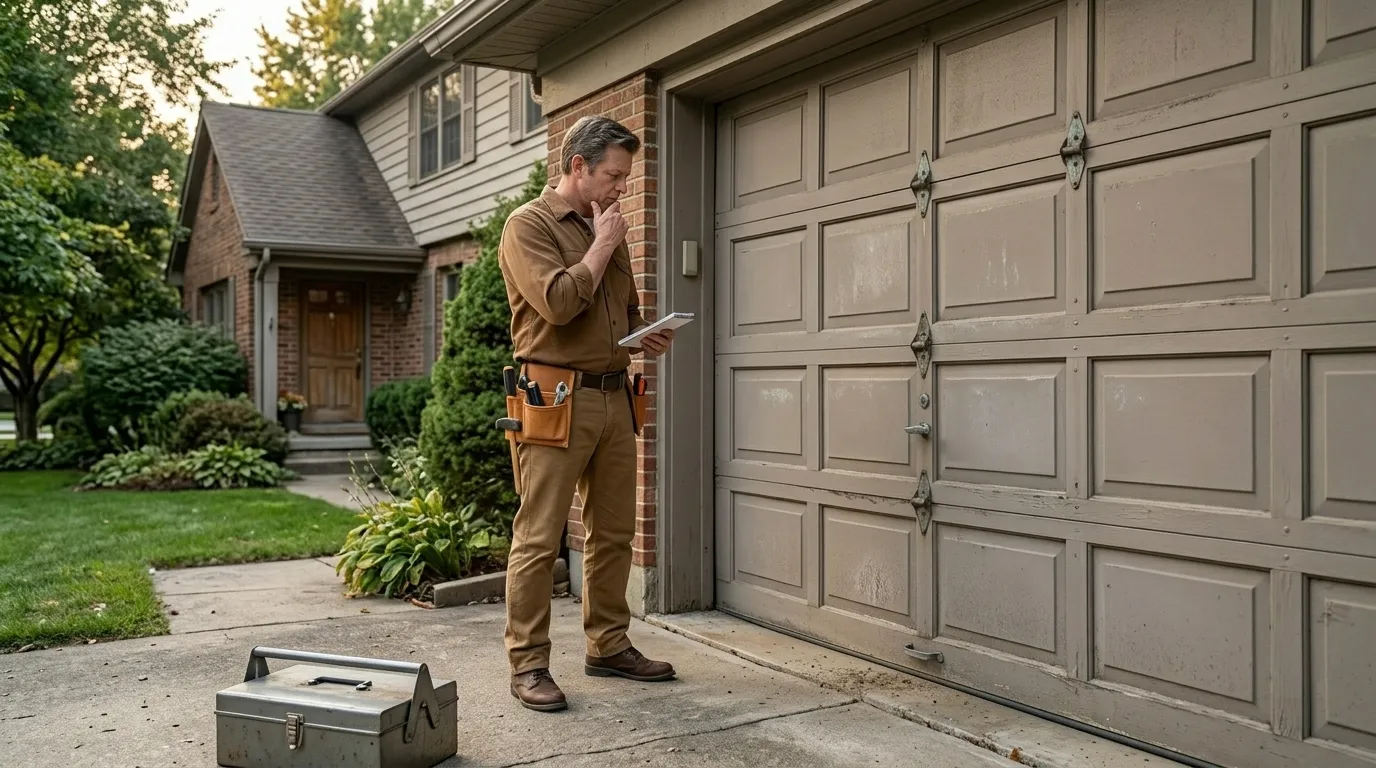
Most calls start the same way: the opener runs but the door doesn't move, or it moves and then reverses partway up. Nine times out of ten with a house from this era, that's a spring that's lost tension, not the opener itself - the opener is just doing what it's told with a door that's suddenly too heavy for it to lift. The second most common call is a remote that stopped working after years of fine service, which is usually the opener's logic board reaching its limit rather than a battery.
Noise complaints cluster in winter, when steel rollers in cold, tightened track bind and grind instead of rolling. A smaller number of calls come from openers with safety sensors that have drifted out of alignment over two decades of settling and seasonal ground movement, which trips the door to reverse or refuse to close at all.
How we work
What the Housing Means for Your Door
Round Lake sits in a cold, severe-winter climate zone, and a door built in 2003 wasn't necessarily insulated to the standard we'd spec on a replacement today. That combination - an original door skin plus two decades of temperature swings - is what drives most of the spring and hardware failures we're called out for. Steel contracts in the cold, torsion springs lose a little tension every cycle, and a spring that was already near the end of its rated life gives out on the coldest morning of the year, not the mildest.
If your door and opener both date to the original build, replacing the spring alone is often the right call; if the opener's logic board is also original, it's worth pricing a new opener at the same visit rather than paying a second trip once that fails too. We're driving in from Arlington Heights for every job here, about 18 miles each way, so we plan the visit around what's actually needed rather than guessing over the phone.
 86 areas covered
Service areas
Other areas we cover near Round Lake
Questions
Common questions
Is Arlington Heights Garage Door Pros based in Round Lake?
No - we're based in Arlington Heights, about 18 miles away, and drive out for every job. We don't keep a local depot in Round Lake, so we schedule around the drive rather than promising a same-day window.
Why do so many Round Lake doors fail around the same age?
Most homes here were built close to 2003, so the original torsion springs, rollers, and openers are all reaching the end of their rated life around the same time. It's less about bad luck and more about a whole subdivision's hardware aging out together.
Should I repair or replace an opener from around 2003?
If the logic board is original, we'll often recommend replacement over repair - parts for boards that old are getting hard to find, and a new opener adds rolling-code security your original unit doesn't have.
Do cold winters really affect garage door springs?
Yes. Round Lake sits in a cold, severe climate zone, and steel torsion springs lose tension faster through repeated cold-weather cycling. A spring near the end of its life is more likely to snap on a hard freeze than during a mild stretch.
Ready when you are
Need a garage door sorted in Arlington Heights?
Arlington Heights Garage Door Pros repairs and installs garage doors, springs and openers in Arlington Heights, IL and the surrounding area.