
Guide
Openers, Power Cuts, and the Reality of Arlington Heights Garages
How Arlington Heights' 1960s-70s housing stock and cold winters affect garage door openers during power cuts, and when a manual release isn't enough.
Local detail
How Local Conditions Play In
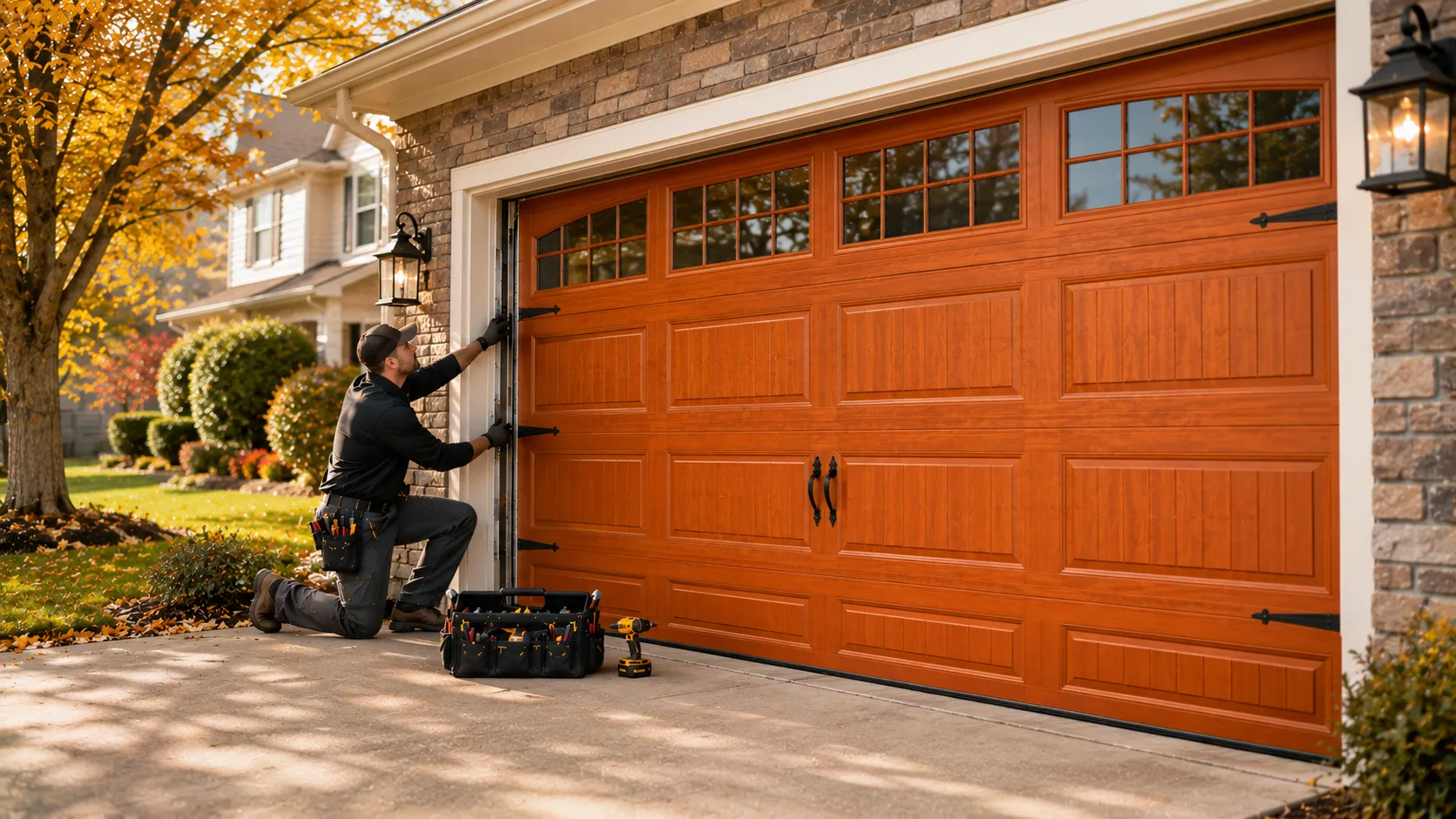
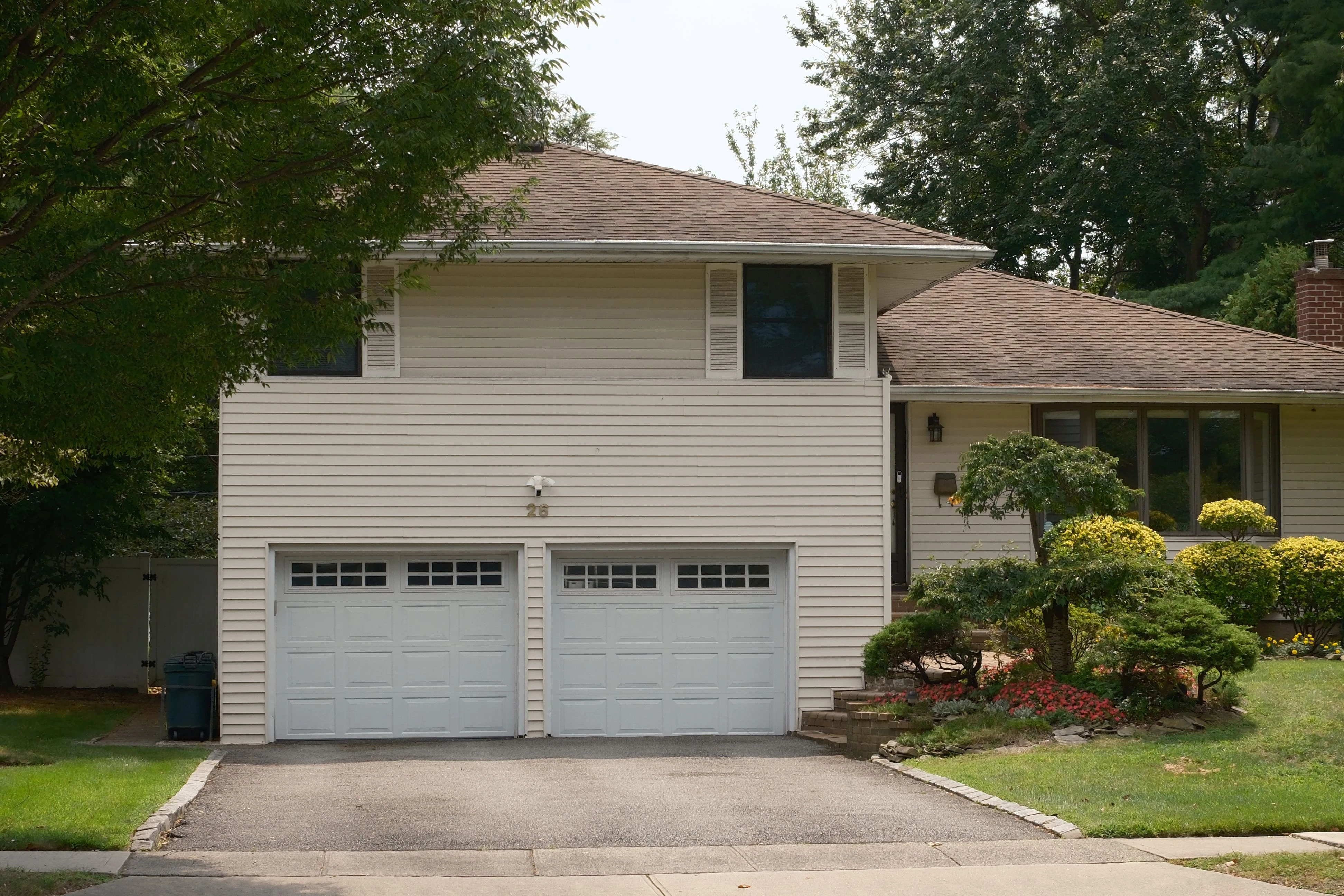
A lot of the garages in this area were built between the 1960s and 70s, part of a broader stretch of housing here that runs from 1938 up through 2009, with the median build year sitting around 1977. That matters for openers because a house from that era usually wasn't wired with a dedicated circuit or surge protection in mind for a motor unit - openers got added or swapped later, sometimes more than once, on brackets and header boards that were never inspected for the load. Combine that with a cold, severe winter climate and you get a specific failure pattern: the opener trips or stalls right when a storm knocks the power out, because the motor was already working harder than it should in low temperatures, and the backup battery (if there is one) wasn't sized for a door that's heavier or older than what the opener was built to lift.
We see openers fail less from age alone and more from age plus a cold snap plus an outage landing on the same night. None of that is really about the opener itself - it's about what's attached to it and when the power drops.
The area
When It Stops Being a DIY Job
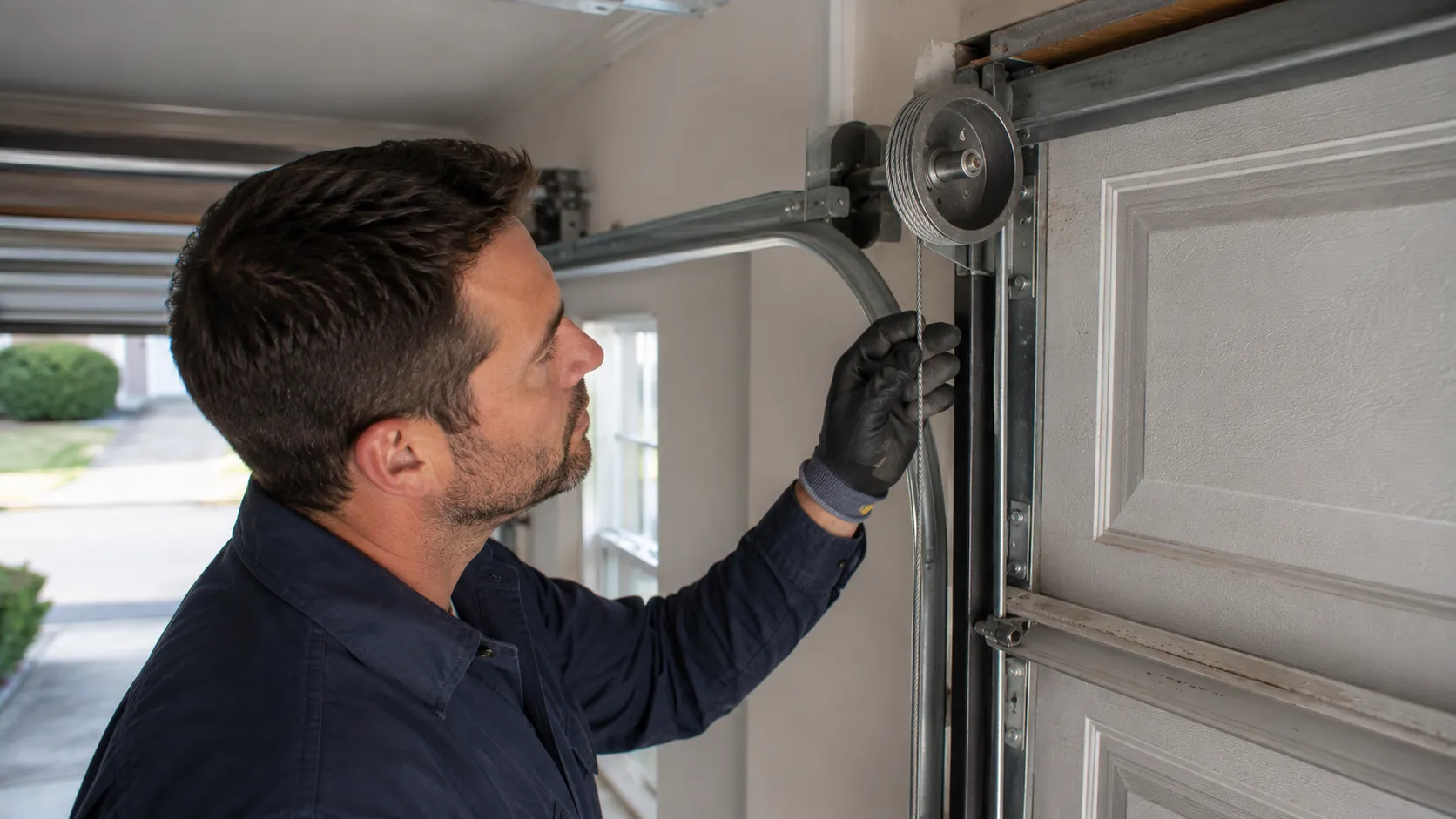
If the power comes back and the opener still won't respond, that's usually not a fuse problem - pull the manual release cord and see if the door moves by hand. If it's heavy, binds, or won't stay up on its own, the springs are doing the work now, not the opener, and that's not a DIY fix. Springs under tension are the one part of this system where a wrong move causes a real injury, not just a redo.
If you've got a chain-drive opener that's original to a 1970s build and the power cut left it clicking without turning the sprocket, that's a stripped gear, and that's a call, not a tutorial. We won't pretend every opener issue after an outage is simple - some are a reset, and some are the motor telling you it's done.
What we find
Doing Nothing For Now
Not every opener hiccup after a power cut needs a same-day fix. If the door operates fine on manual release and the opener just needs to be reprogrammed to the remote, that can wait a day without risk.
Where waiting gets expensive is when the door itself won't come down evenly or drifts open on its own - a sign the opener is fighting spring tension it shouldn't have to fight, and that's how you burn out a motor that would've otherwise lasted years. We'd rather tell an owner in Arlington Heights to wait a week for a scheduling slot than push a repair that isn't urgent, but we won't tell you a struggling motor is fine when it isn't.
How we work
What Is Going On
Most opener trouble tied to a power cut comes down to one of three things: the backup battery is dead or undersized, the logic board reset and lost its travel limits, or the outage happened mid-cycle and the door is now sitting between fully open and closed with the opener confused about where it is. On older homes in this area - plenty built well before smart openers existed - that third scenario is the most common, because the opener has no memory of position once power drops mid-travel. None of this is unique to any one house, but it shows up more here simply because so much of the housing stock is old enough to be on a second or third-generation opener, not the original.
Questions
Common questions
Why does my opener fail specifically during a power outage, not just randomly?
If it happens mid-cycle, the opener loses track of the door's position when power cuts, since older units have no memory of travel limits. On a house with an original or older opener setup - common in homes here built well before 2000 - that confusion is more likely because there's no backup logic to fall back on.
Is a battery backup worth adding to an older opener?
If your opener predates battery backup as a standard feature, adding a separate backup unit is usually cheaper than replacing the whole opener, and it solves the actual problem - losing power mid-cycle - rather than working around it. It's a reasonable upgrade on any door still running its original motor.
My door won't move at all after the power came back - what now?
Pull the manual release cord and try moving the door by hand. If it's smooth, the problem is electrical - likely the opener's logic board or a blown fuse. If it's heavy or won't hold position, that's a spring issue, and that's not something to push through with the opener.
Do cold winters actually make opener problems worse here?
Yes - a severe cold climate puts more strain on the motor before an outage even happens, since the door itself moves harder in freezing temperatures. When a power cut lands on top of that extra strain, an opener that was already close to its limit is more likely to fail outright.
Ready when you are
Need a garage door sorted in Arlington Heights?
Arlington Heights Garage Door Pros repairs and installs garage doors, springs and openers in Arlington Heights, IL and the surrounding area.