
Nylon and steel roller inventory
That's useful for us: we stock nylon rollers in the common stem lengths and shaft sizes that fit doors from the 1960s and 70s, plus the steel rollers that some of those same houses still run on original hardware.
Mount Prospect, Arlington Heights
Mount Prospect's 22,003 households sit mostly in 1960s-70s built homes, and steel rollers on original tracks are wearing out. We travel from Arlington Heights to replace them.
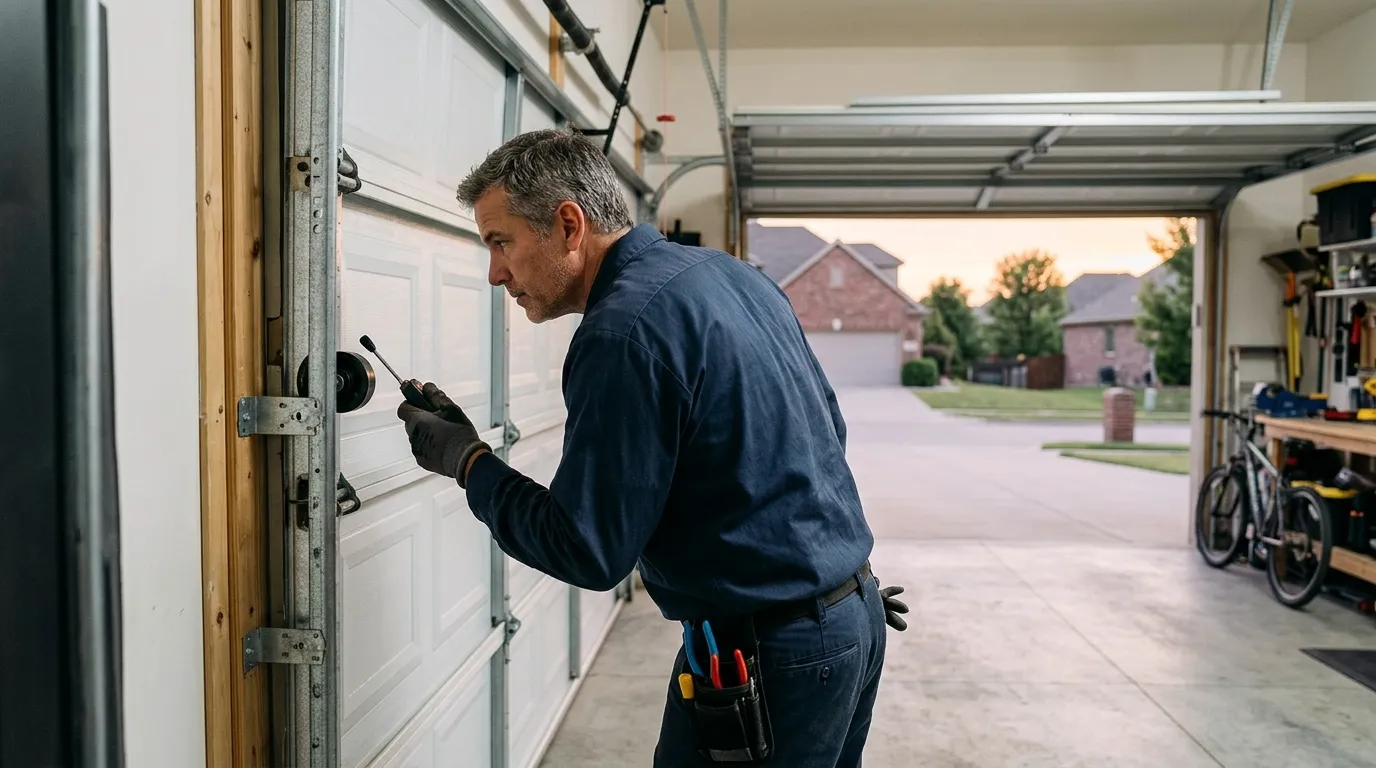
Popular Services
On the truck
Mount Prospect is a town of roughly 22,000 households, which means a lot of doors built to the same handful of specs, going up in the same handful of years.
That's useful for us: we stock nylon rollers in the common stem lengths and shaft sizes that fit doors from the 1960s and 70s, plus the steel rollers that some of those same houses still run on original hardware.
Nylon rollers run quieter and don't need the grease that steel rollers do, which matters if your door sits under a bedroom. We also carry the sealed-bearing versions for owners who want fewer moving parts to fail later.
What we don't carry on the truck is every obscure stem length ever made - if your track uses an odd bracket spacing from a builder-grade door nobody sells anymore, that can mean a short wait on a part. We'll tell you straight if that's the case rather than force a fit that'll bind in six months.
Watch-outs
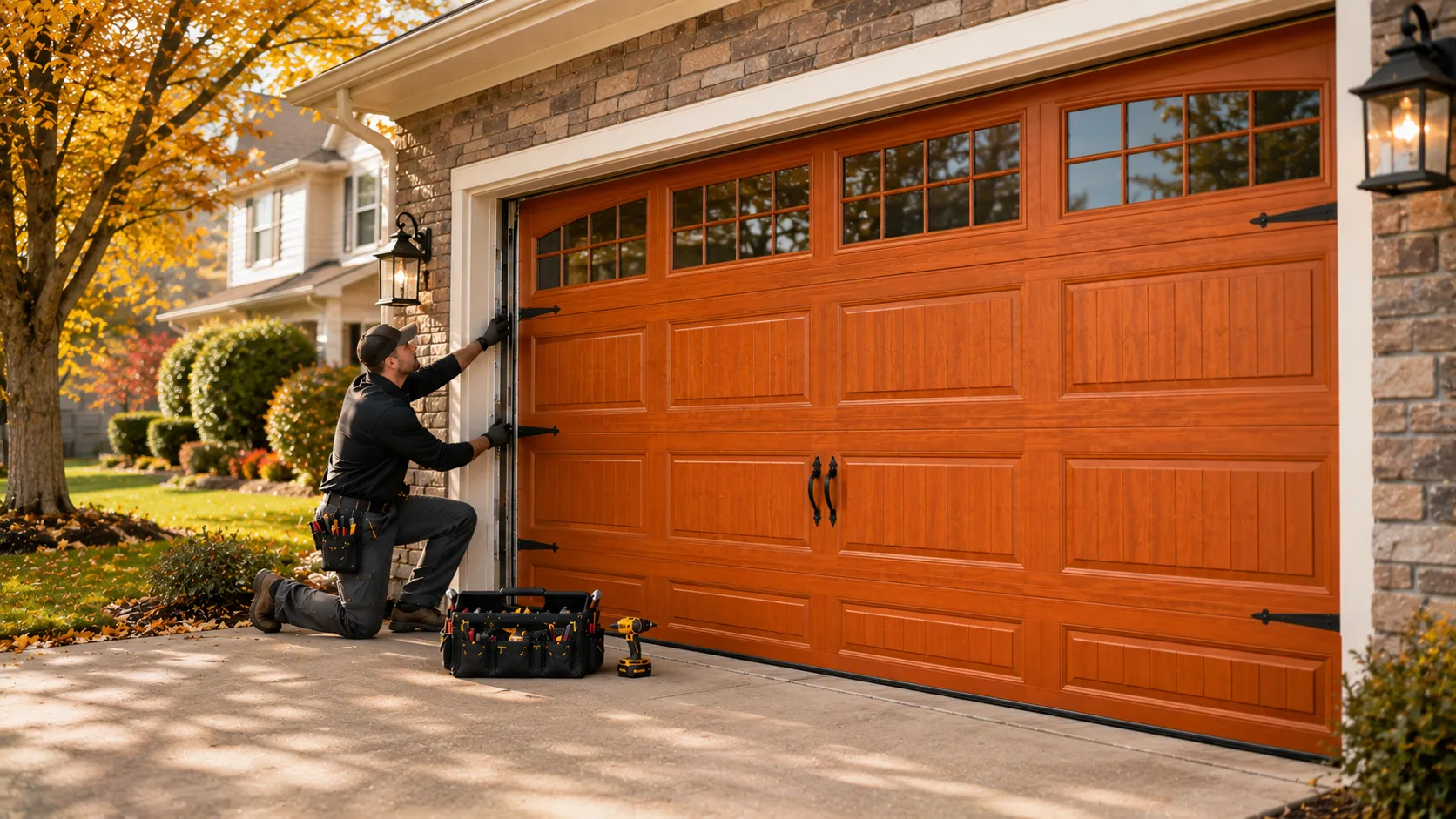
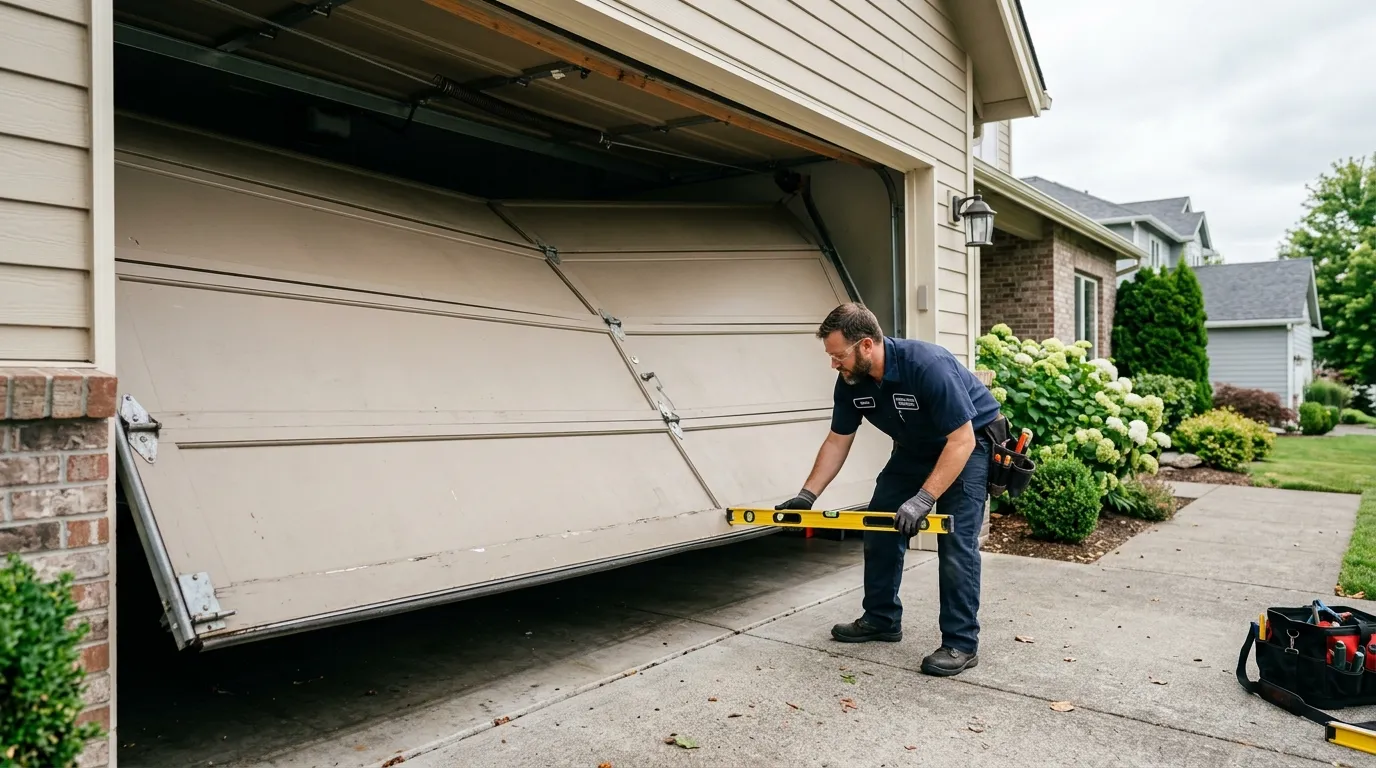
A worn roller rarely fails alone. On a door built when Mount Prospect's housing stock was going up - the bulk of it dates to the 1960s and 70s - the track brackets have usually loosened a little over five decades of use, and the roller that's grinding against a bent or misaligned track wears three times faster than one running true. Replace the roller without checking the track and you're back at the same door in a year. We also see steel rollers that have worn a groove into the track itself, which means the track needs straightening or swapping, not just the roller. The complication isn't the part, it's diagnosing what wore the part out in the first place.
Local causes
This area sits in a cold, severe climate band, and that matters more for rollers than most owners expect.
Steel rollers with open bearings pick up moisture in winter, then that moisture freezes and thaws through the season, which pits the bearing race and makes the roller bind rather than turn. A door with a bound roller gets forced through the track by the opener anyway, which is what turns a $30 roller problem into a bent track or a stripped opener gear.
Combine that climate pattern with a housing stock built mostly in the 1960s and 70s and you get a specific, predictable failure: original steel rollers on original tracks, twenty or thirty years past when they should've been swapped, finally giving out in the first hard cold snap.
DIY or pro
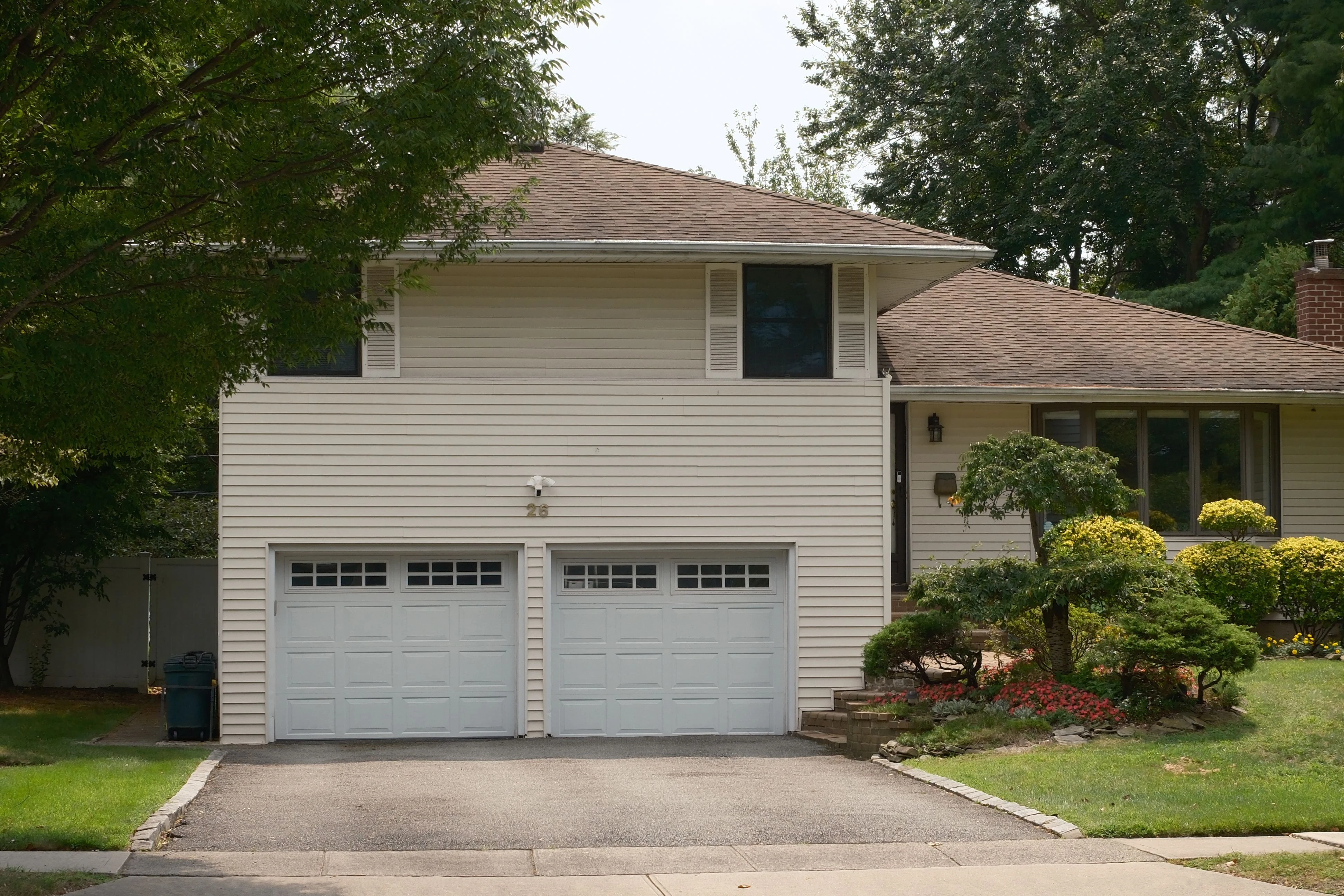
Swapping a roller on a door that's disconnected from the opener and fully down is within reach for a careful homeowner, one roller at a time, without ever removing a cable or touching the bottom bracket near a spring. That's the honest limit. If your door has a broken cable, a roller stuck in a bent section of track, or you're dealing with the two bottom rollers near the torsion spring assembly, that's not a DIY job - the bottom brackets carry spring tension and letting one go wrong there is how people get hurt. If you're not sure which situation you're in, that uncertainty is itself the answer: call it in.
Warning signs
Most calls start the same way: a grinding or rattling sound that gets louder over a few weeks, then a door that hesitates or jerks at one specific spot on the track every time it opens.
Some owners notice it first as a door that's suddenly louder than it used to be, especially first thing in the morning after a cold night - that's the steel roller bearing seizing slightly overnight and thawing loose again by midday.
If you see a roller with a visibly flat or chipped edge where it rides the track, or metal shavings collecting near the bottom of the track, the roller's past due, not just noisy.

Booking
We run out of Arlington Heights, about 3 miles from Mount Prospect, and we come out for roller jobs on that route regularly. Tell us the sound it's making and roughly which section of track it happens on - that alone often tells us whether we're bringing a bag of nylon rollers or planning to check the whole track while we're there. You can see how we describe the same job for Arlington Heights itself, or check our coverage for Mount Prospect specifically, before you call.
Questions
Most residential doors run 10 to 12 rollers total. We rarely replace just one - if a roller's worn enough to grind, the ones next to it on the same track are usually close behind, so we typically quote the full set rather than come back in six months for the next one.
Usually, yes, especially if the noise is a grinding or rattling sound rather than a bang. Nylon rollers run quieter and don't need periodic grease. If the noise is coming from a bent track instead of the roller itself, swapping to nylon helps but won't fully fix it - the track needs attention too.
Depends on the track and the panels. If the track's straight and the panels are solid, new rollers can add years to a door that's otherwise fine. If the track's grooved from worn steel rollers or the panels are dented and rusted, we'll say so - sometimes a full door is the better spend.
Explore more
Ready when you are
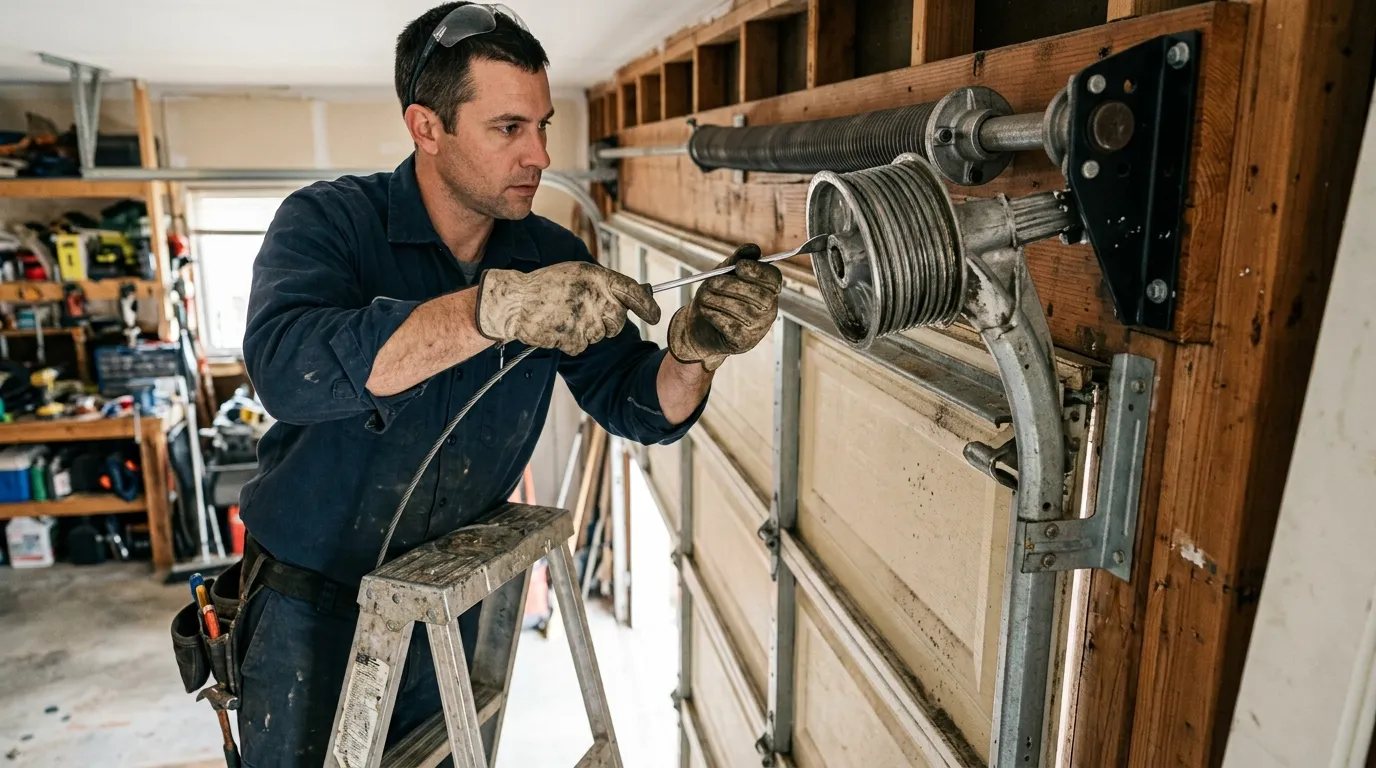
Arlington Heights Garage Door Pros repairs and installs garage doors, springs and openers in Arlington Heights, IL and the surrounding area.