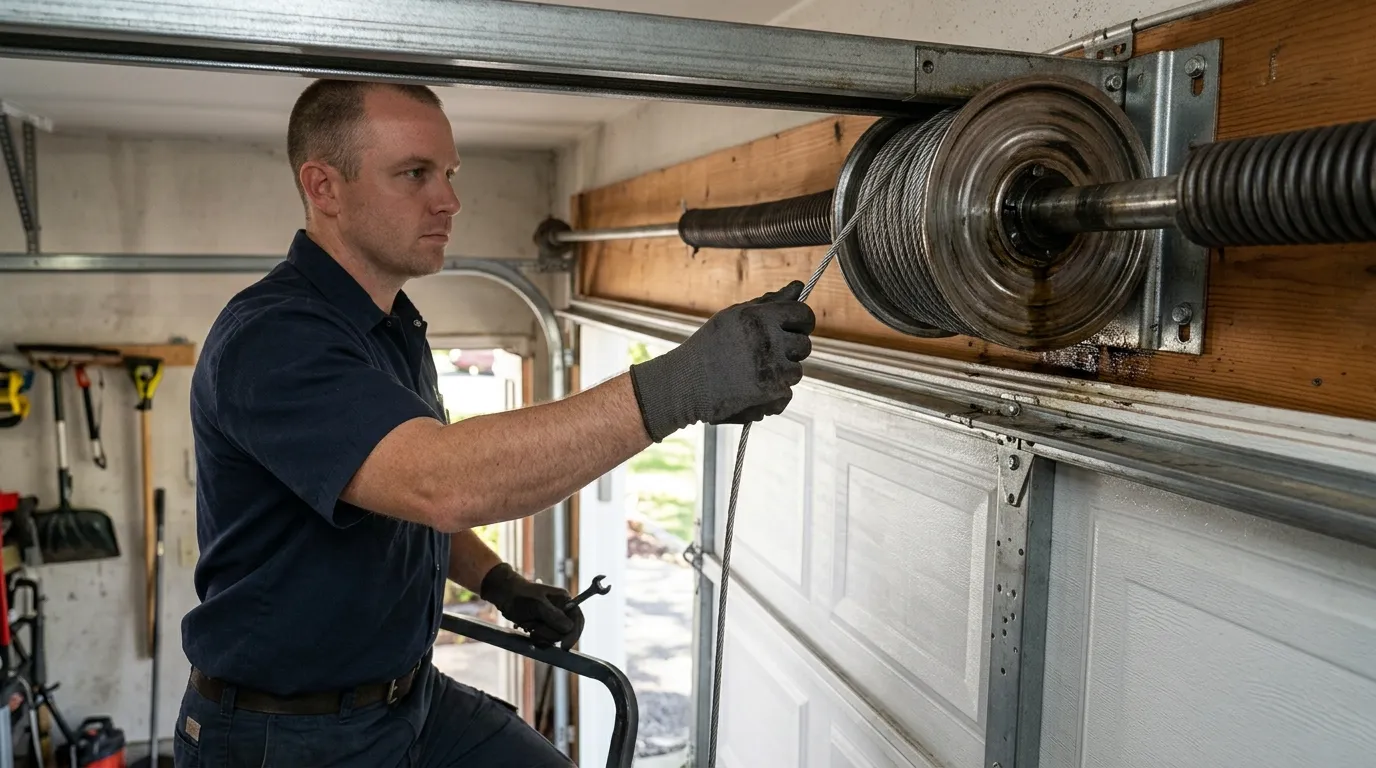
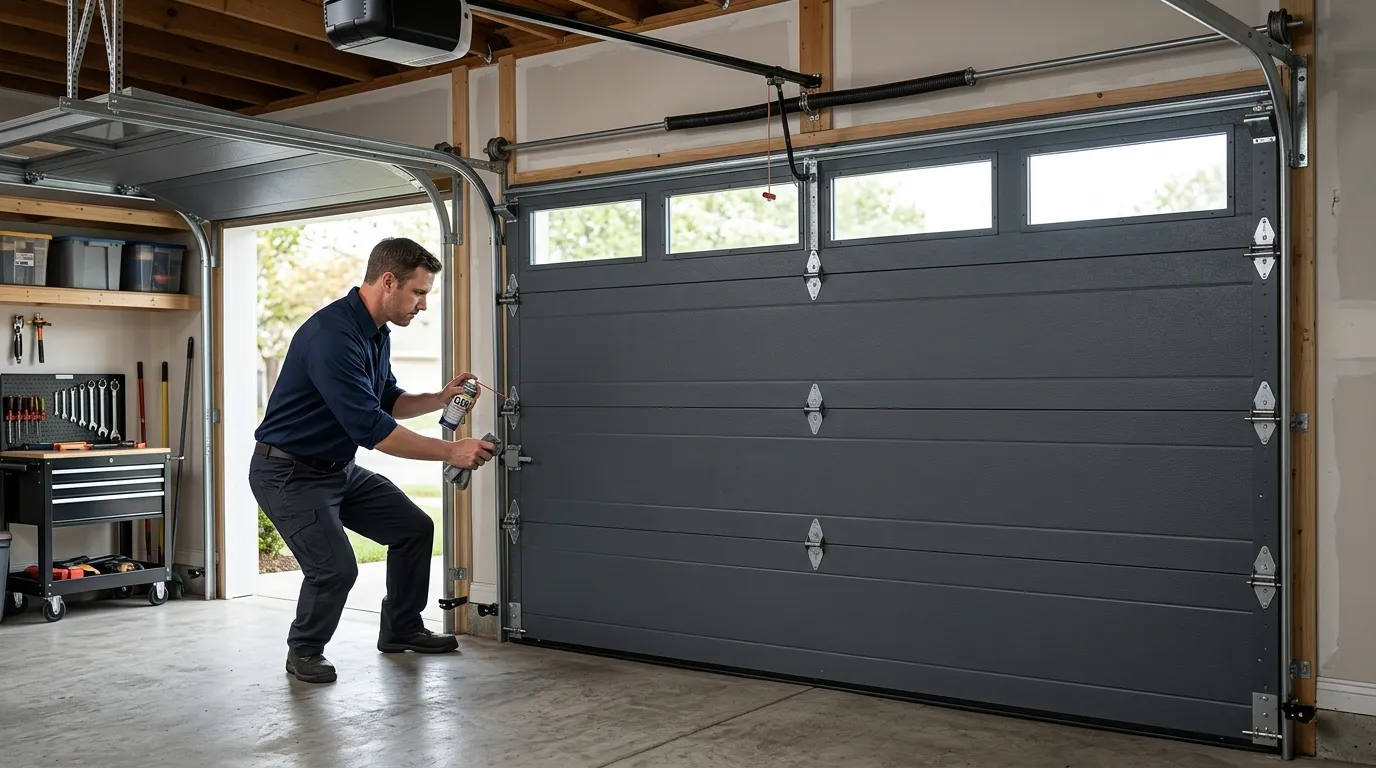
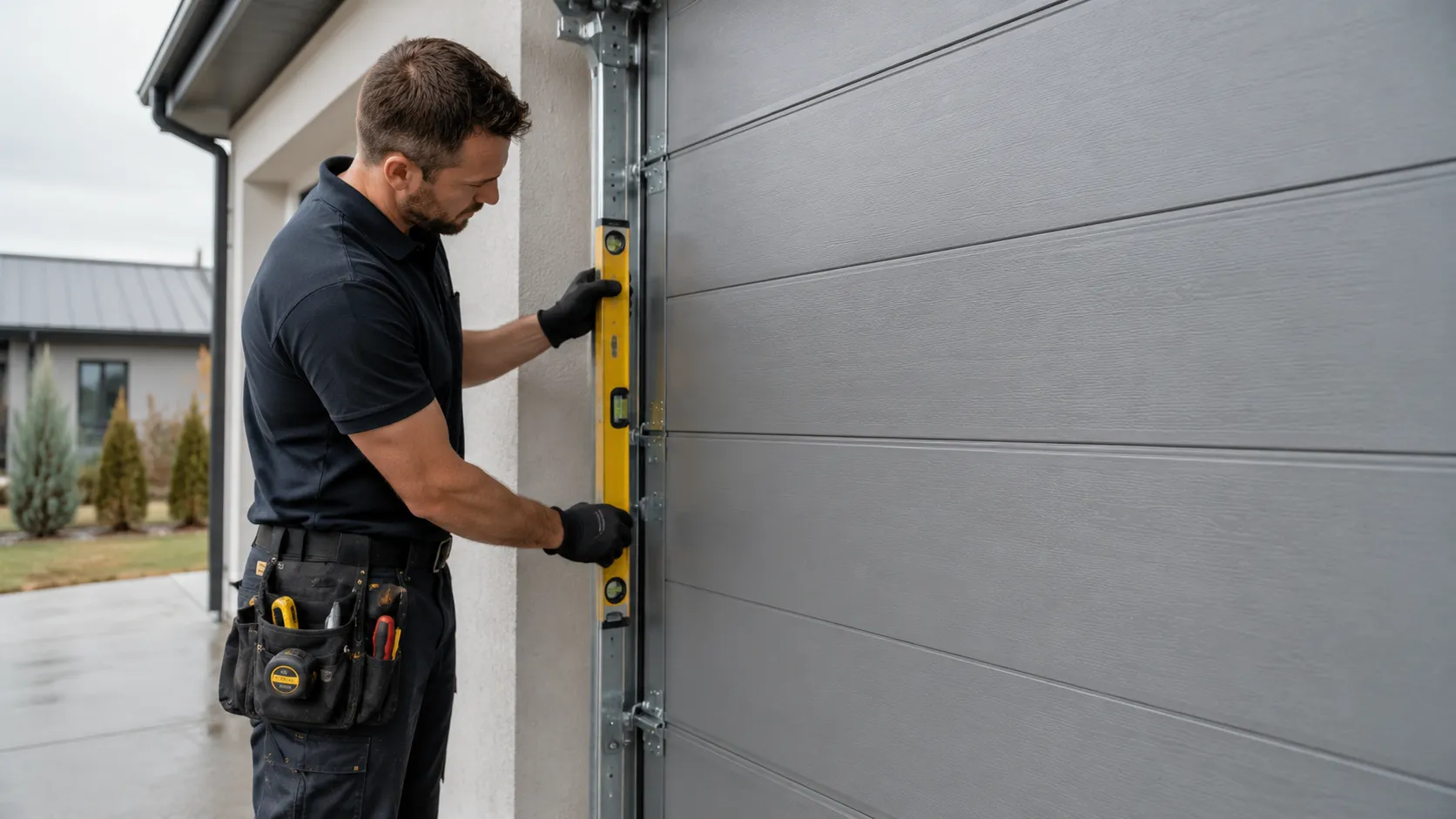
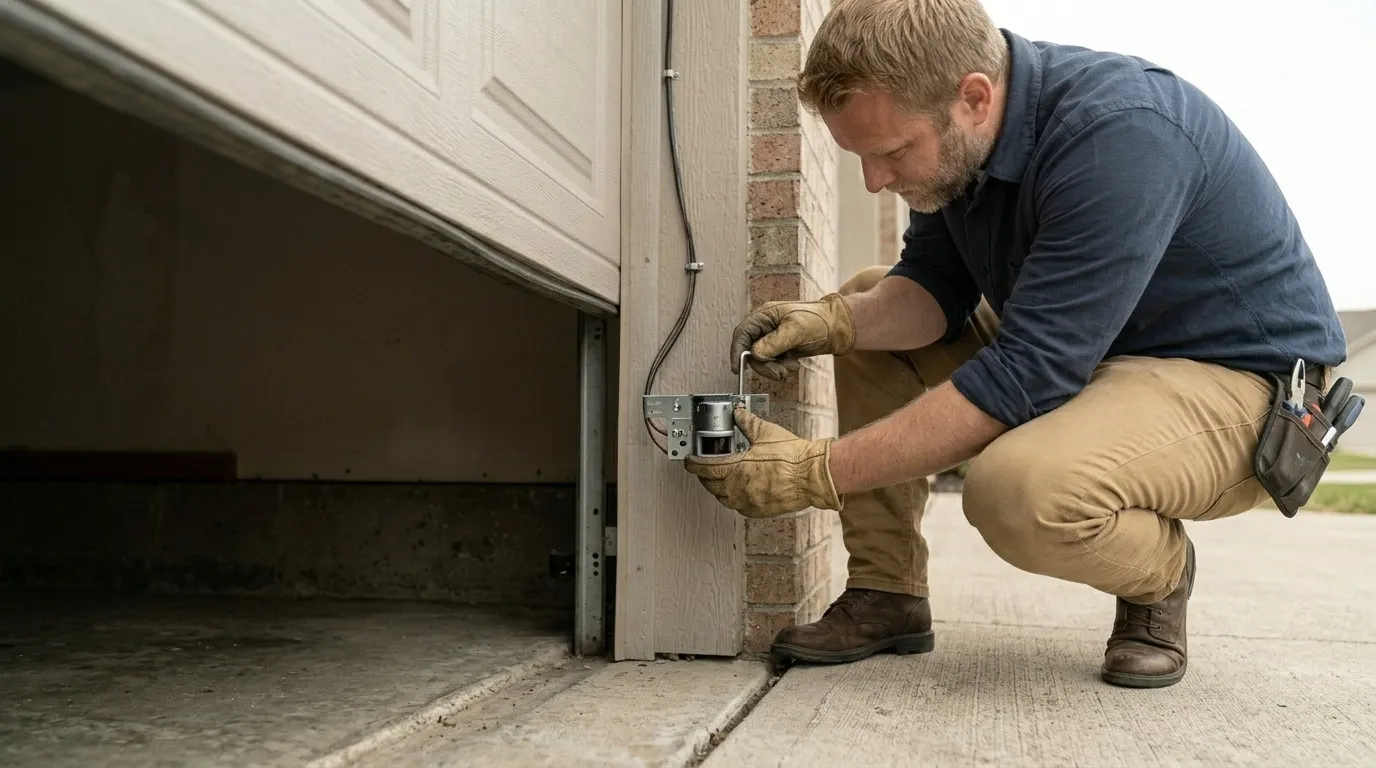
Two things push installation issues here in a specific direction: the age of the housing stock and the winter climate. With homes built anywhere from 1938 up through 2009 and a median around 1977, there's no single "standard" opening size across the area - a door sized right for a 1980s split-level won't necessarily fit a 1950s ranch three streets over. That means measuring twice matters more here than it would in a subdivision built in one pass in a single decade.
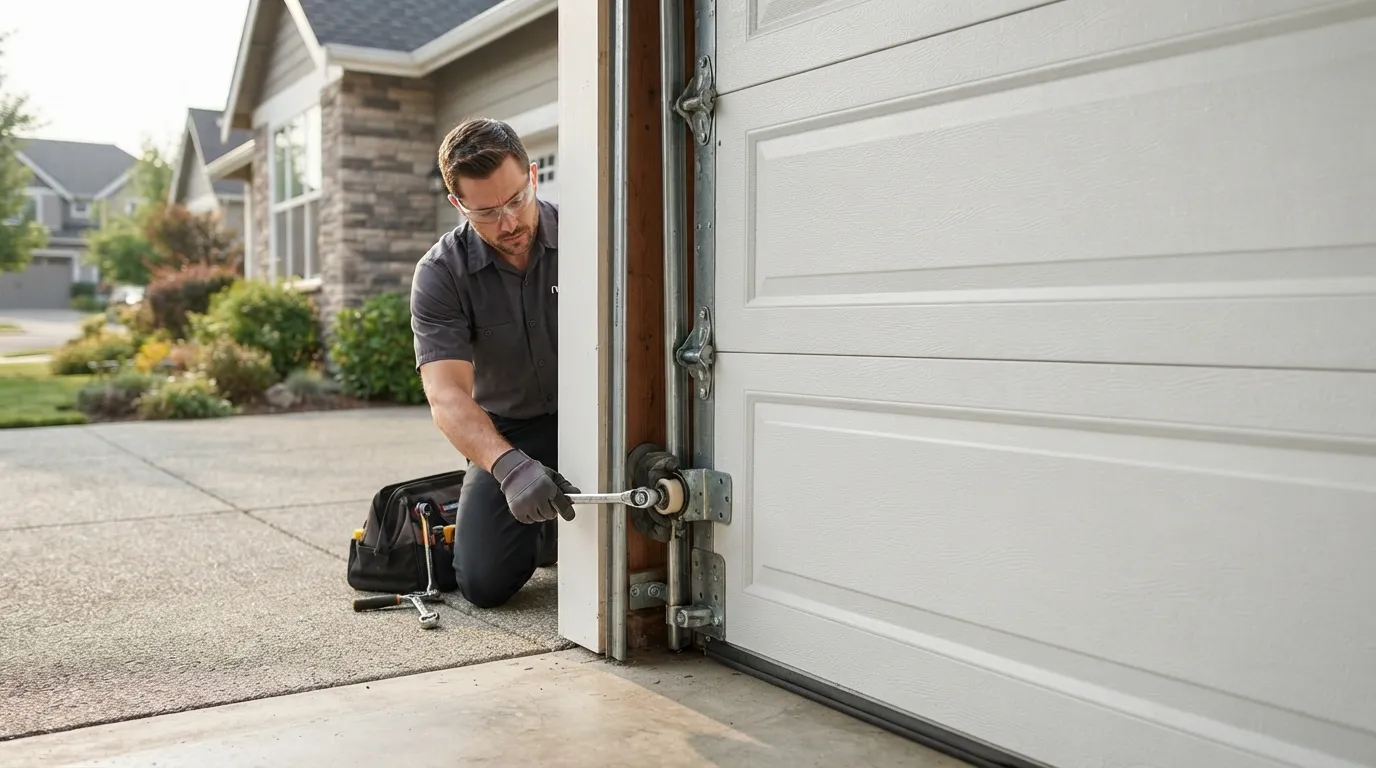
The cold is the other driver. This area sits in a severe cold climate band, and an older door with a thin panel and a worn bottom seal loses its grip on that seal every time the concrete slab contracts in a hard freeze. Once the seal compresses unevenly, cold air finds the gap, and the door starts working harder to close square - which speeds up wear on rollers and hinges that were already original to the house.
Household income in the service area runs a median of $109,454, and we mention that only because it shapes the range of doors we're asked to spec - a fair number of jobs here are full insulated replacements, not the cheapest panel on the lot, specifically because owners want the door to actually hold heat through the winter.