
Housing built 1938-2009
The trouble is that a lot of homes here were built between 1938 and 2009, with the bulk of the stock going up in the 1960s and '70s.
Arlington Heights, IL
Garage door maintenance for Arlington Heights homes built 1938-2009, where original hardware and severe cold combine to wear springs, rollers, and openers faster.
Popular Services
Watch-outs
Most maintenance calls we get in Arlington Heights aren't about a door that's already broken. They're about a door that's starting to groan, sag, or hesitate - and the owner wants to catch it before a spring snaps on a Tuesday morning with the car trapped inside.
The trouble is that a lot of homes here were built between 1938 and 2009, with the bulk of the stock going up in the 1960s and '70s.
That's a long span of hardware generations under one roof style, and it means the fix that worked on your neighbor's door from 1978 doesn't always apply to the one built in 1995 down the block. A door that's 25 to 45 years old has usually been through at least one prior repair, sometimes done fast and cheap.
Layer on Chicago-area winters that swing hard into severe cold, and you get moving parts - springs, cables, rollers, hinges - that have been stressed by temperature swings for decades. Maintenance on a door like this isn't a bolt-tightening exercise. It's diagnosing which parts are original, which were swapped out, and which are about to fail together.
Warning signs
The complaint is almost always the same three things: the door is louder than it used to be, it doesn't close all the way on the first try, or the opener strains and reverses partway up.
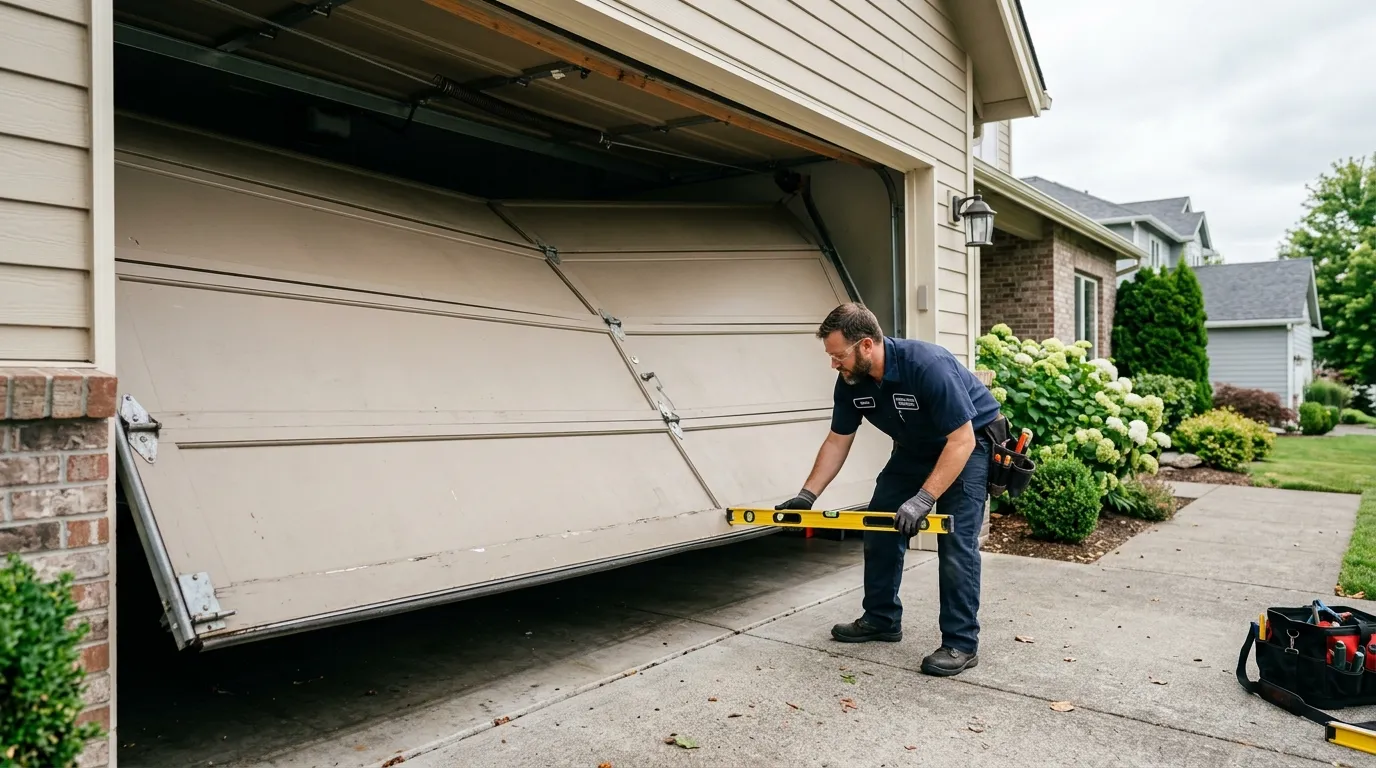
On older torsion systems from the 1960s-70s wave of construction, we see springs that have lost tension unevenly - one side pulling harder than the other, which shows up as a door that runs crooked in the track.
On the newer end of the housing range, closer to the 1990s and 2000s builds, the complaint is more often a worn nylon roller or a photo-eye sensor knocked out of alignment. Cold makes all of this worse before it makes it obvious. A spring or cable that's marginal in October can bind or snap in January once the metal contracts and the lubricant thickens.
Owners often notice the noise first - a scrape or a thud at the same point in the door's travel every time - months before the door actually fails. That gap between 'sounds off' and 'stopped working' is exactly the window regular maintenance is meant to catch.
Local causes
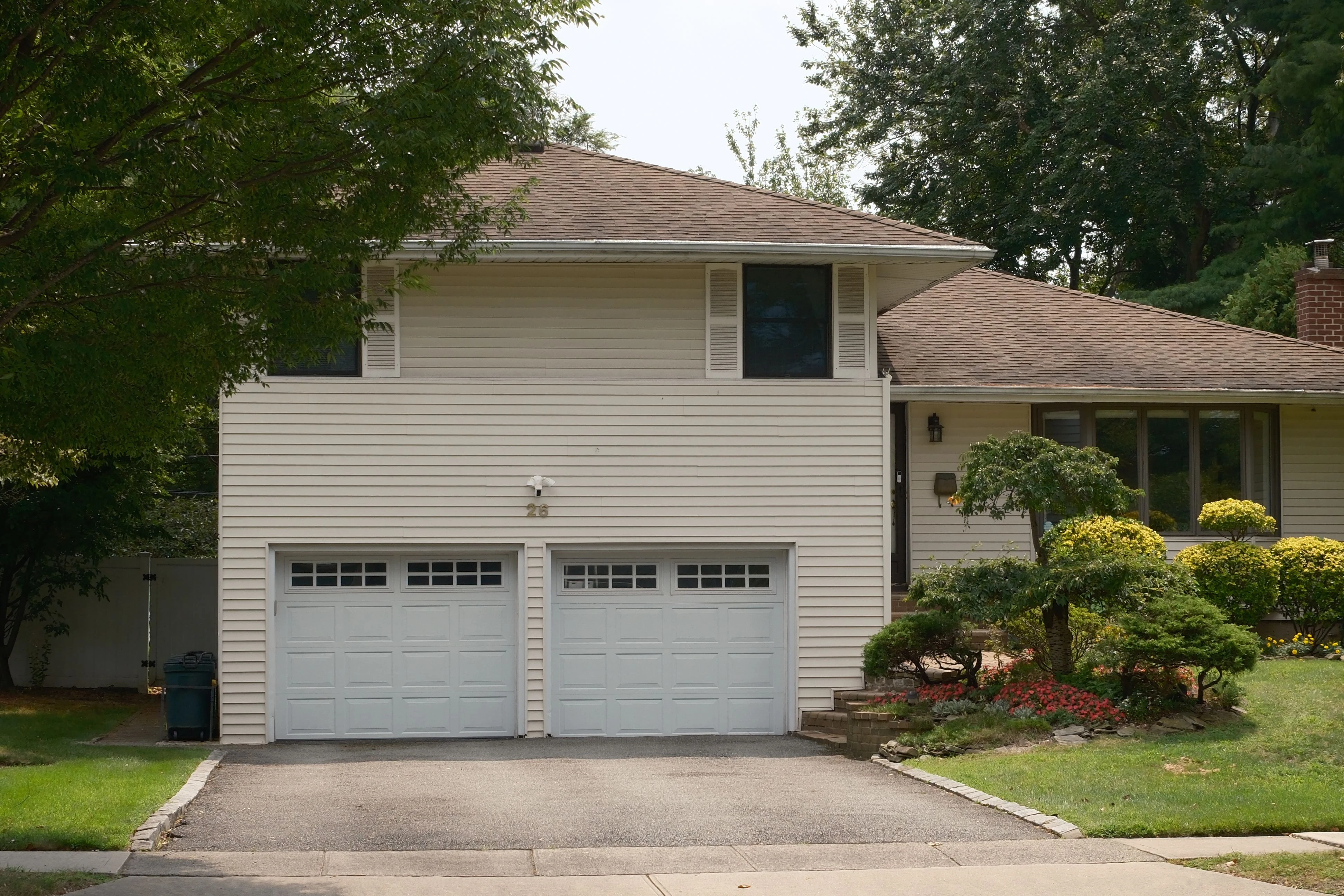
Two things stack on top of each other in this area: the age of the housing and the severity of the winters. With homes dated from 1938 through 2009 and a median build year of 1977, a huge share of doors in Arlington Heights and the towns around it - Prospect Heights, Mount Prospect, Wheeling, and the rest of this service area - are running on hardware that predates modern galvanized coatings and sealed bearings. Steel components from that era corrode and fatigue faster, especially where a door faces north or sits close to grade.
Then there's the cold. This region sits in a severe cold climate band, which means real freeze-thaw cycling every winter, not just a few cold weeks. Torsion springs lose a measurable amount of lift force as temperature drops, cables stiffen, and grease that was fine in August turns gummy in January. A door that's marginal in fall will often fail in the first hard cold snap, not gradually. That combination - old steel, real winters - is why maintenance here has to be seasonal and specific, not a once-and-done tune-up.
The repair
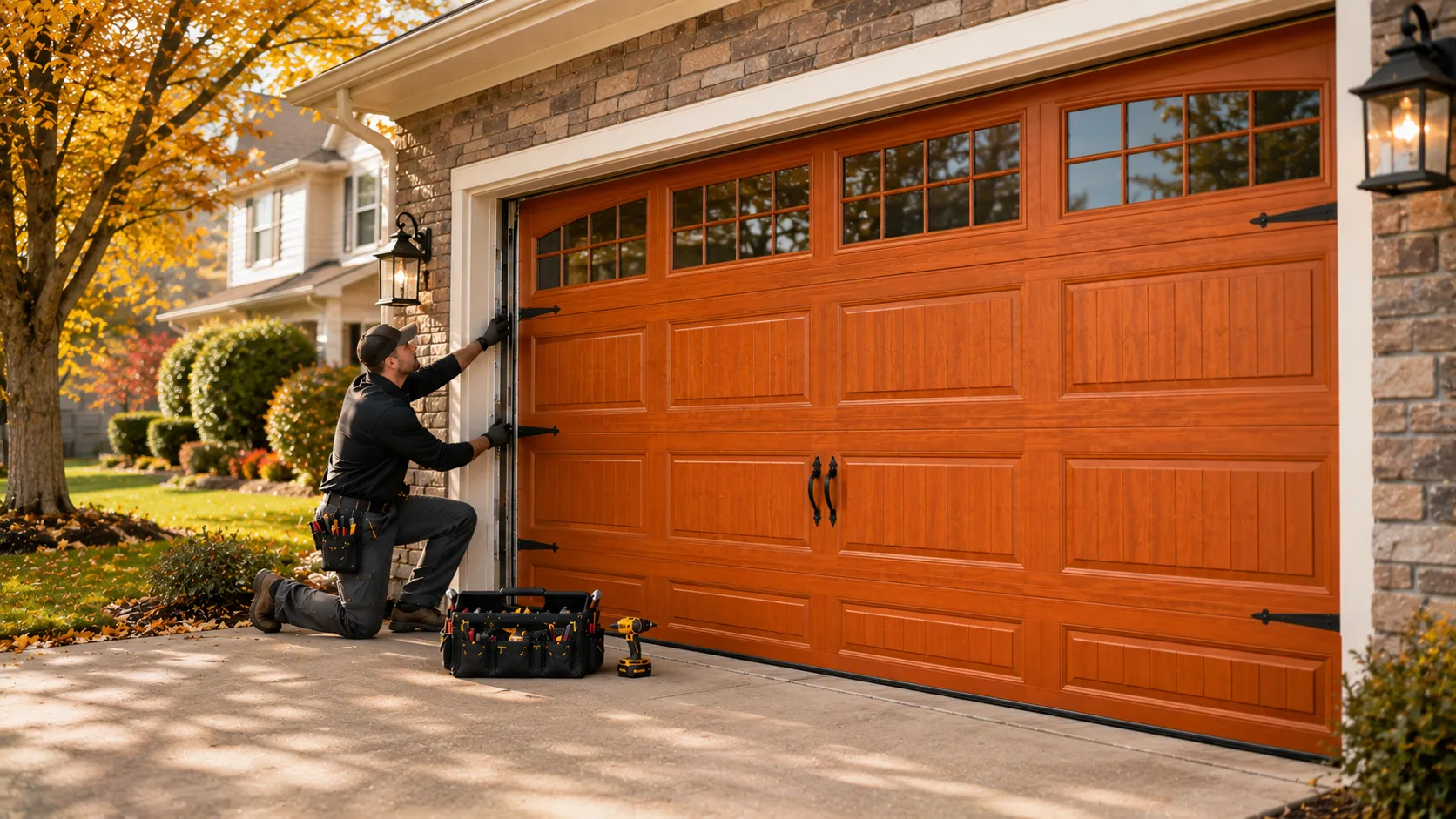
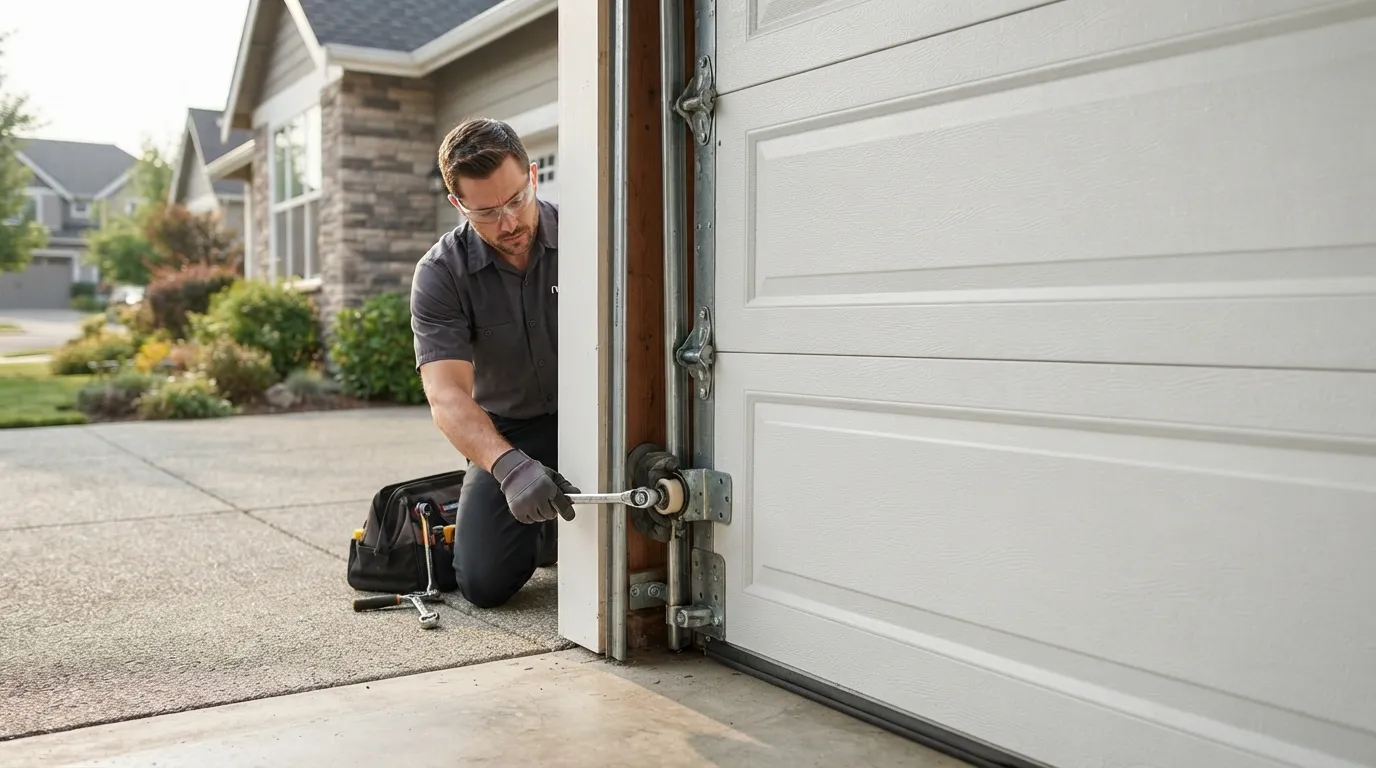
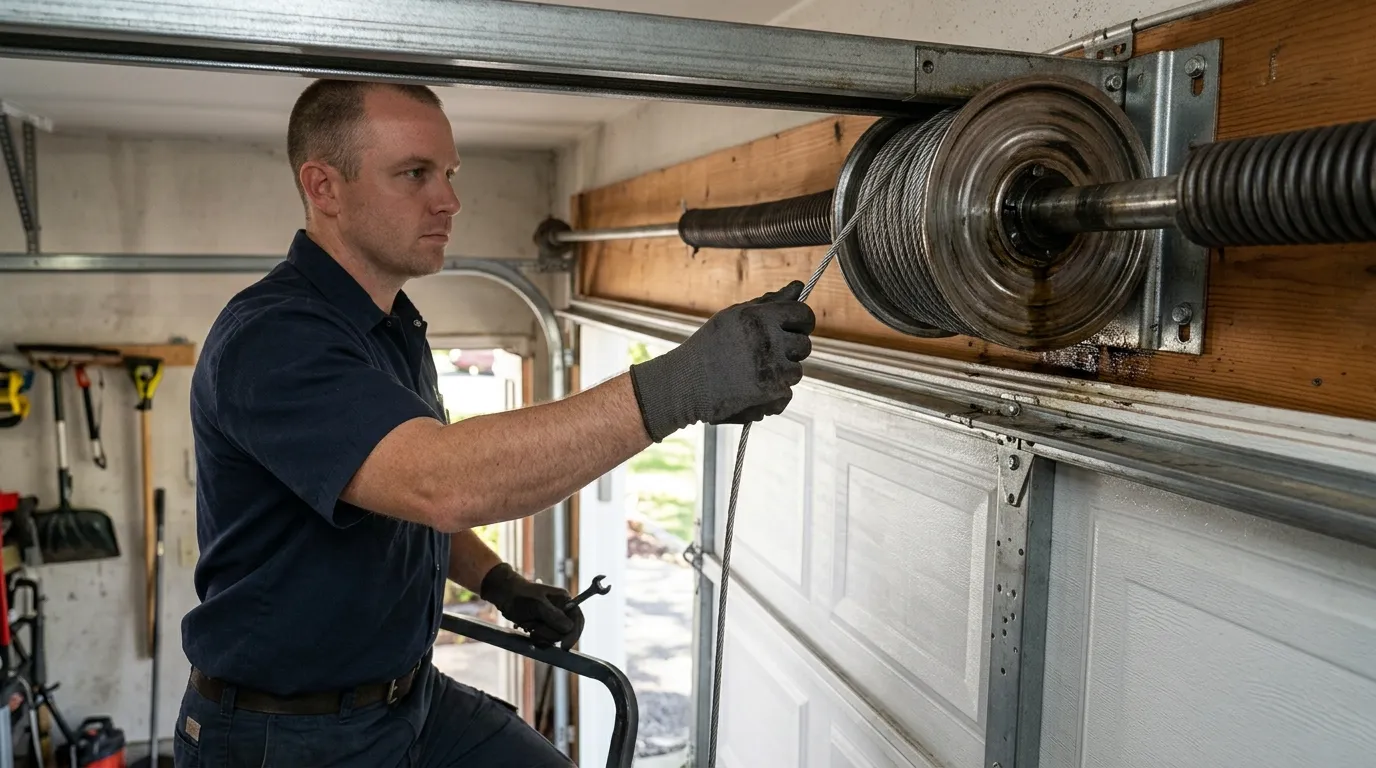
A proper maintenance visit starts with the springs - checking tension balance on both sides, not just whether the door moves. On a torsion system from the 1960s or '70s, that often means we're working with hardware that hasn't seen adjustment in years and may already be past its safe fatigue life; we'll tell you straight if a spring needs replacing rather than adjusting, since a spring that's about to go isn't worth patching.
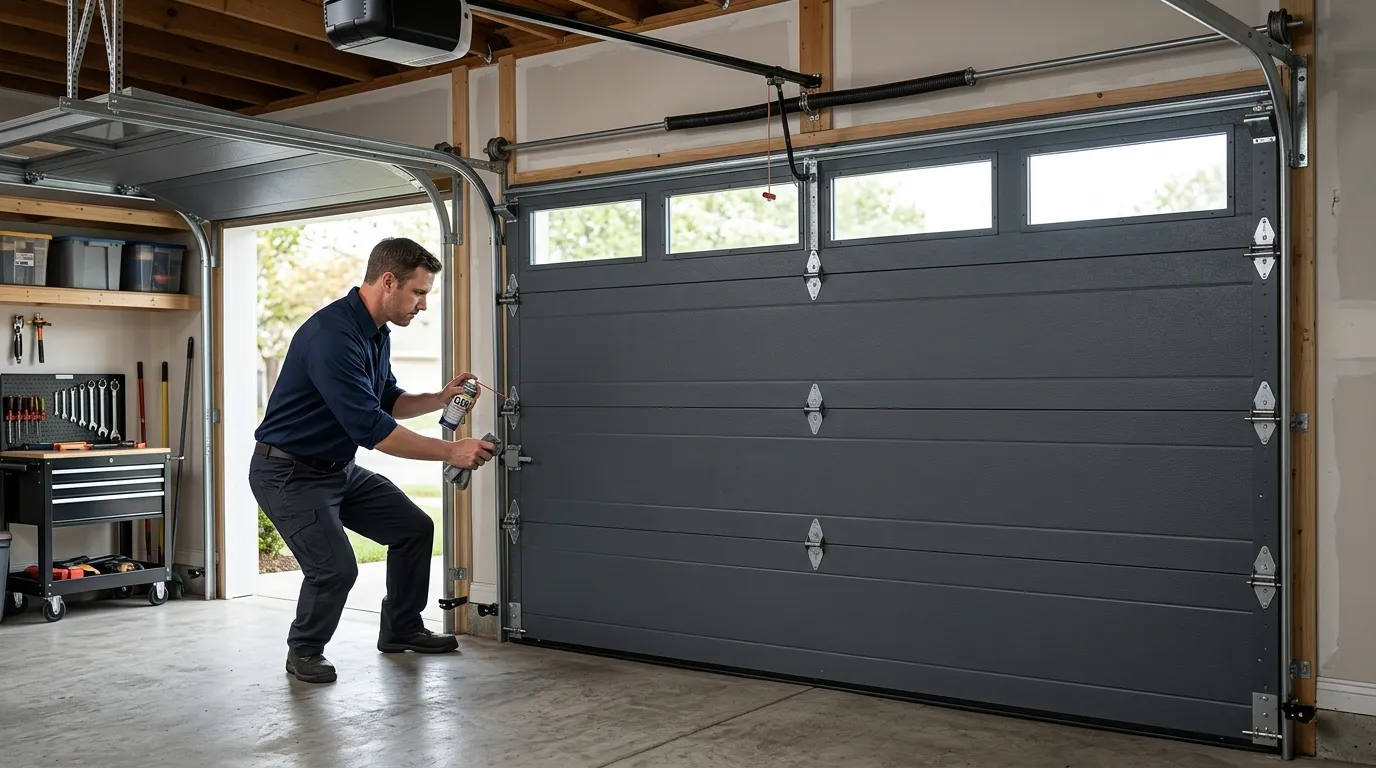
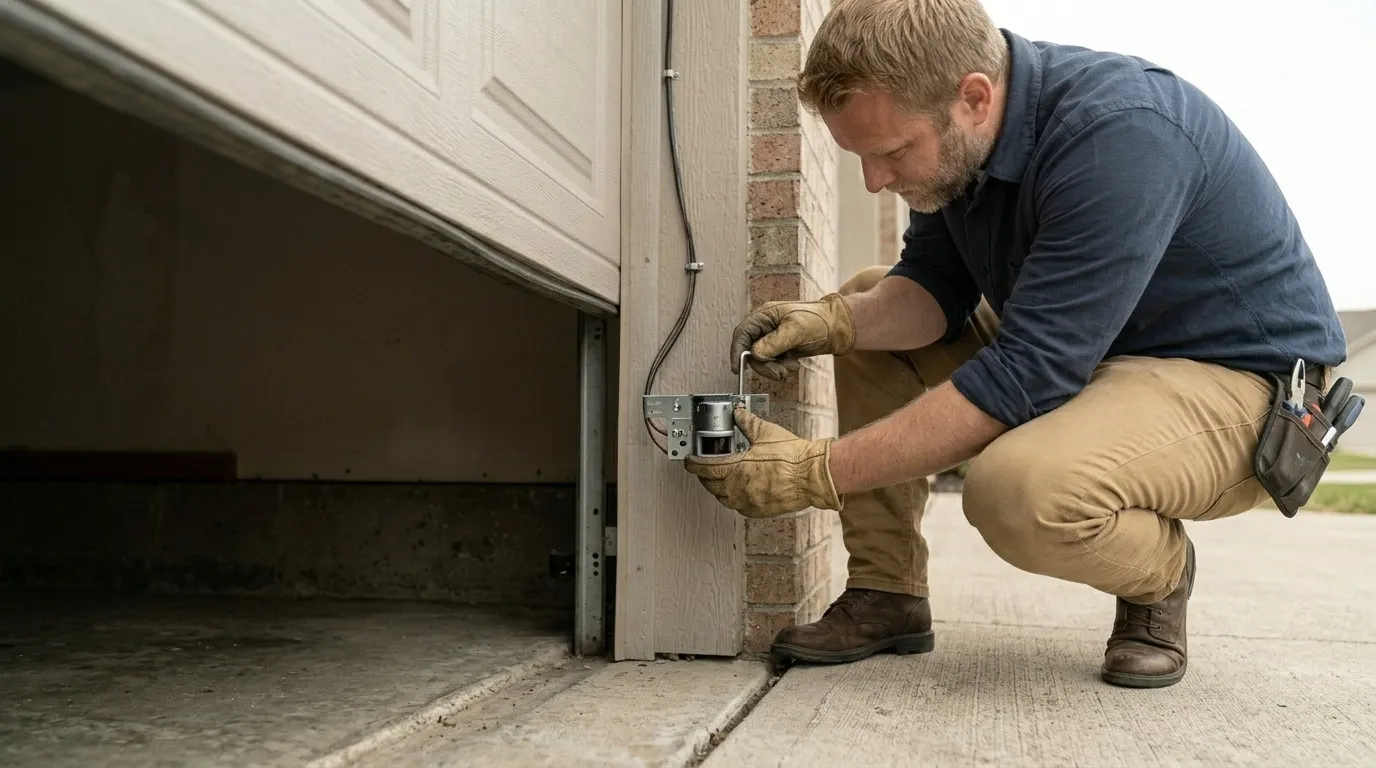
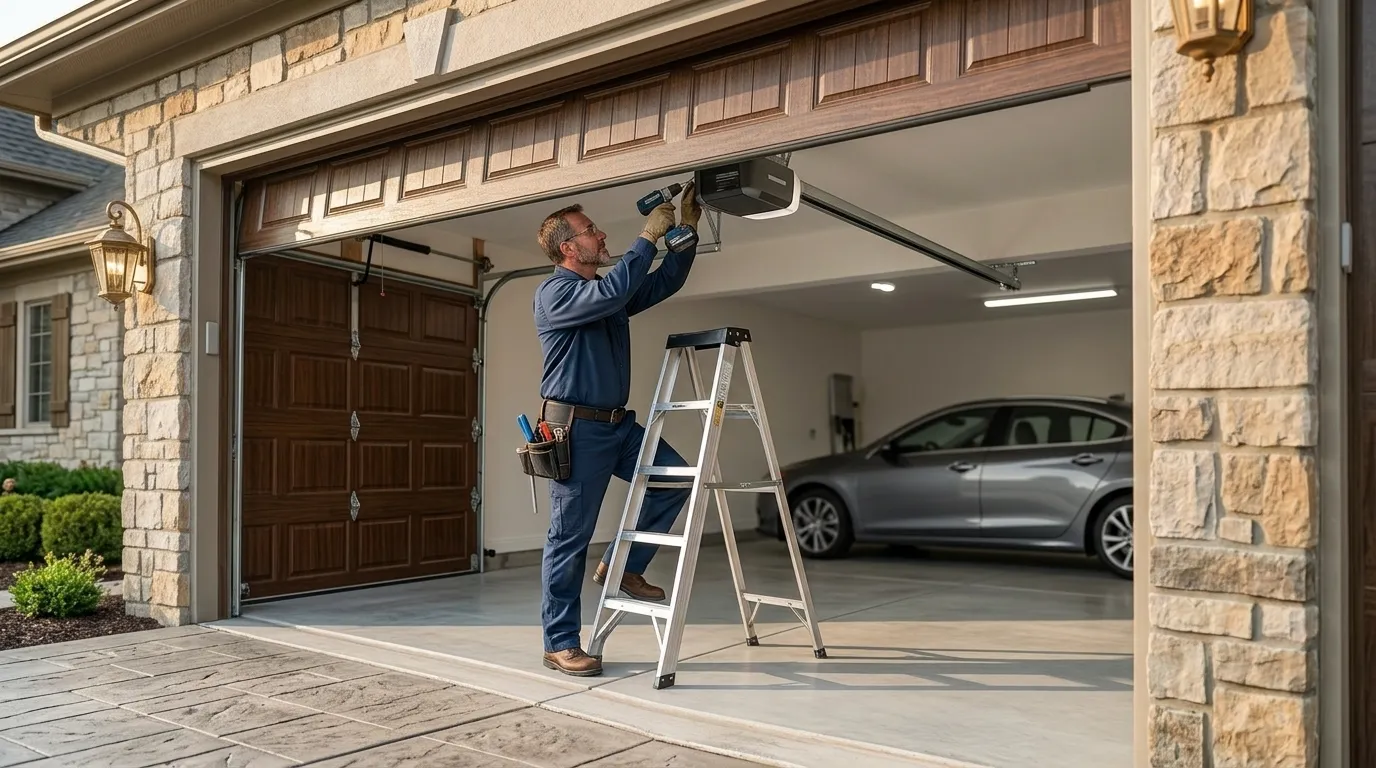
After springs, it's rollers, hinges, and track alignment, followed by cable inspection for fraying at the drum. We lubricate with a grease rated for cold, not the light household oil that gums up at low temperatures. Opener sensors and limit settings get checked last, since a misaligned photo-eye is a common cause of a door that reverses for no obvious reason.
One honest limitation: if a door's springs, cables, and rollers are all near end of life at once - which happens on a lot of the older stock in this area - maintenance turns into a repair estimate, not a tune-up. We won't pad a small visit into unnecessary work, but we also won't tell you a 40-year-old spring just needs grease when it needs replacing.
Questions
Once a year is the baseline, ideally in fall before the severe cold sets in. If your house was built before the 1980s and still has original hardware, twice a year - spring and fall - catches problems before winter stress finds them for you.
Cold thickens lubricant and shrinks metal slightly, so springs, cables, and rollers that were fine in warm weather start binding or losing tension. In this area's severe cold climate, that seasonal swing is large enough to turn a quiet door into a loud one almost overnight.
If the springs, cables, and rollers are all wearing out together, a tune-up won't fix much and replacement is the better spend. If it's one worn part on an otherwise sound door, maintenance extends its life for a lot less money.
Explore more
Ready when you are
Arlington Heights Garage Door Pros repairs and installs garage doors, springs and openers in Arlington Heights, IL and the surrounding area.