
Slipping chain drive
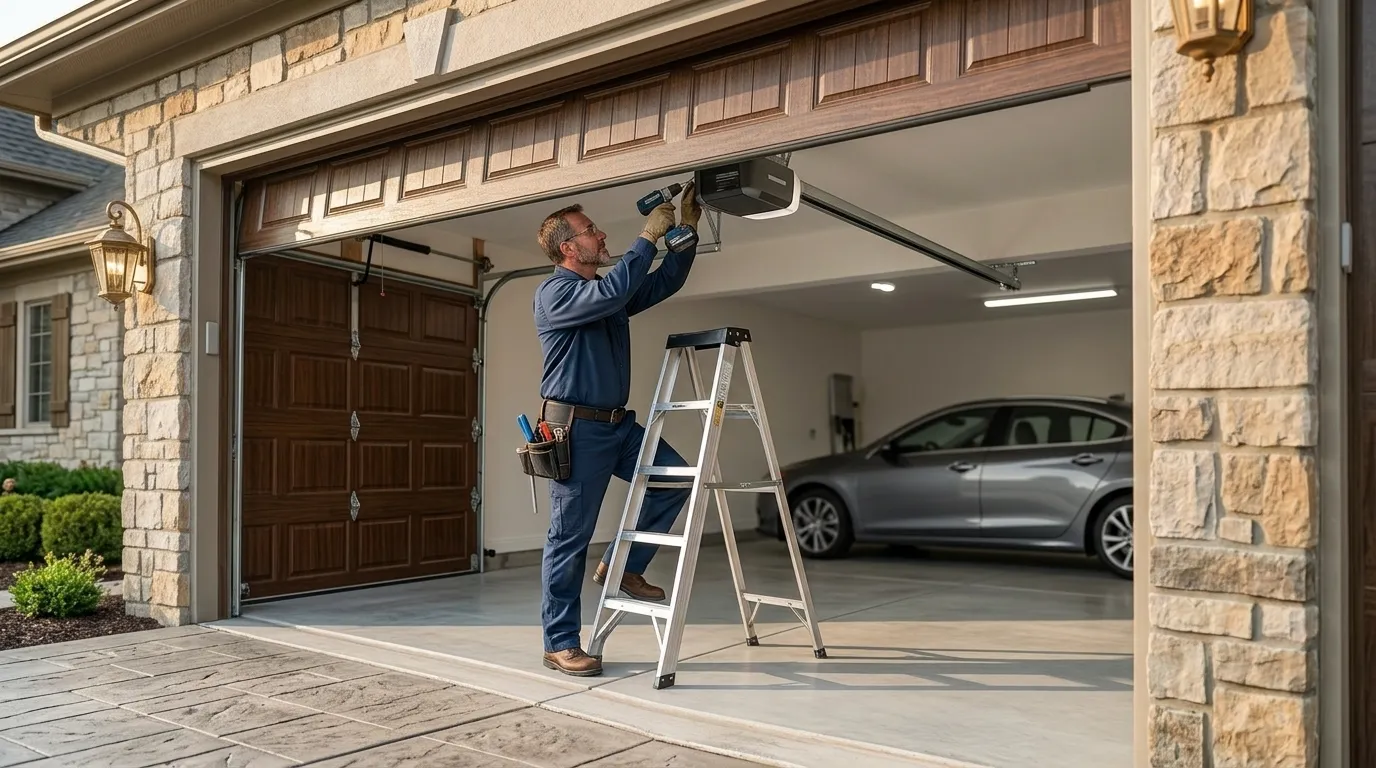
When a chain-drive unit from that era starts slipping, the gear housing underneath is usually already cracked, and the motor is compensating by drawing more current than it should.
Arlington Heights, IL
Opener repair for Arlington Heights homes built mostly in the 1960s and 70s, where cold-weather strain on aging drive systems is the most common call we get.
Popular Services
Watch-outs
An opener that grinds, hesitates, or reverses halfway up is rarely a standalone problem. Across this service area of roughly 454,992 households, the housing stock runs from 1938 through 2009, with a median build year of 1977 - which puts a large share of garages on original or first-replacement drive systems that were never rated for what a Chicago-area winter does to steel and grease over four or five decades.
When a chain-drive unit from that era starts slipping, the gear housing underneath is usually already cracked, and the motor is compensating by drawing more current than it should.
That's the complication: the symptom you see (a stalling door) is downstream of a part that's been degrading quietly for years. On a lot of these older openers, the circuit board and the drive gear are matched to a door weight and spring tension set when the house was built.
If a spring was ever swapped without recalibrating the opener's force setting, the motor has been fighting the door on every cycle since - and that shortens the life of the whole unit, not just the gear.
Warning signs
Most calls start the same way: the door works, then it doesn't, then it works again if you unplug the unit and plug it back in.
That intermittent behavior points at a logic board losing its grip on the signal, not a dead motor. Other times the door reverses on its own partway up, which usually means the travel limits have drifted or a sensor connection has corroded - common in garages that see temperature swings of 60-plus degrees between January and July.
A third pattern: the opener runs, you hear the motor, but the door doesn't move, or moves an inch and stops. That's almost always the drive gear itself, stripped down to plastic dust inside the housing.
None of these are surprises to us - they're the predictable failure points on units installed when this area's housing stock was going up, and they show up in a fairly narrow order as a unit ages out.
Local causes
This region sits in a cold-severe climate band, and that matters more for openers than most homeowners expect. Grease inside a gear housing thickens as temperatures drop, which forces the motor to work harder on every cold start - and a motor that's been working harder for years wears out its capacitor and bearings sooner than the same unit would in a milder climate. Combine that with a housing stock where a large share of garages date to the 1960s and 70s, and you get a specific, common failure: drive systems reaching the end of their service life in clusters, not one at a time.
Household income in the service area runs a median of $109,454, and across the roughly 223,811 owner-occupied houses here, that means most people replacing an opener are doing it once and want it done right rather than doing it twice. We see the same wear patterns repeat house to house on streets built in the same decade, because the doors, springs, and original openers were all sized to the same era's building standards.
The repair
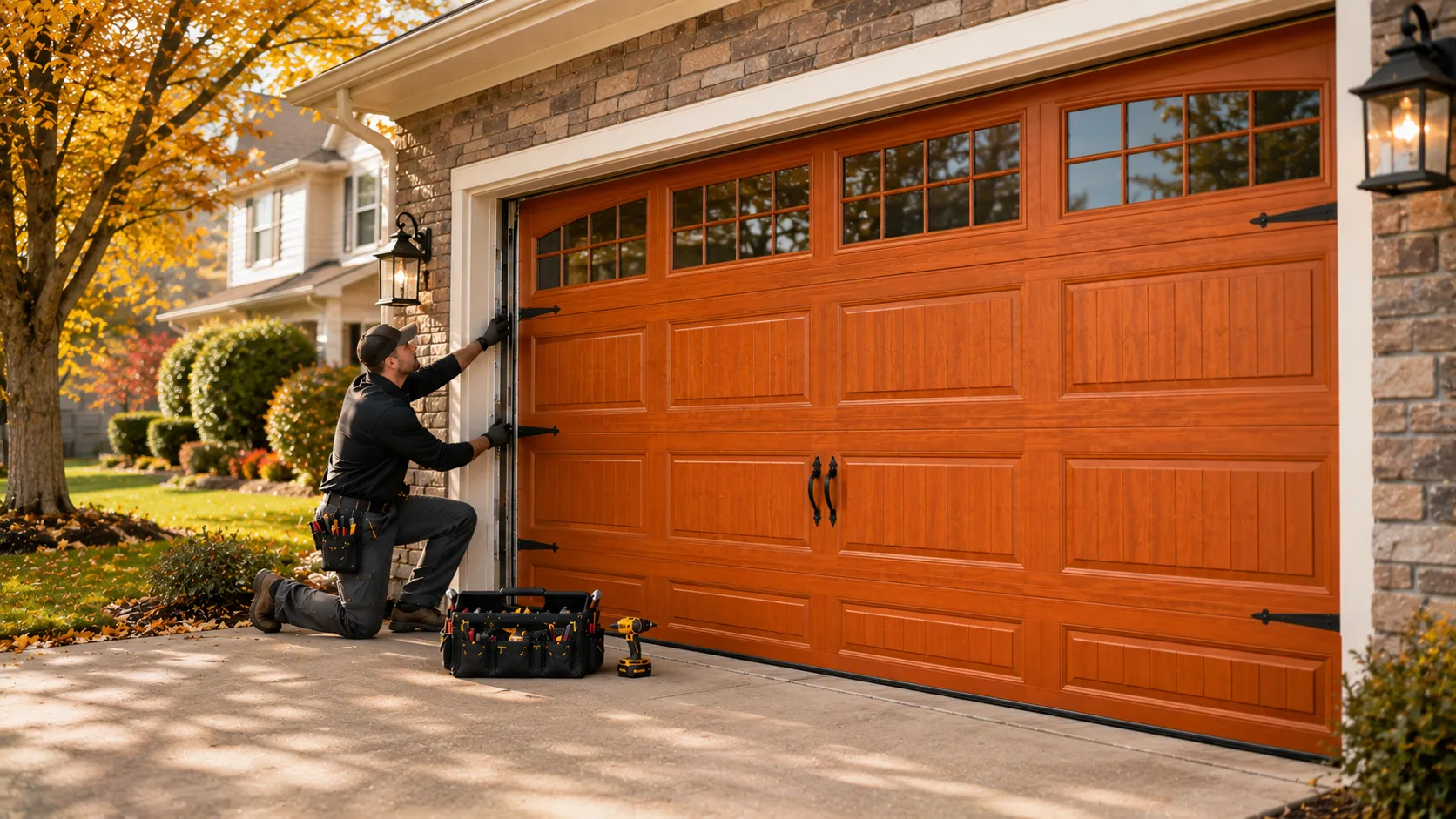
We start by running the opener through a full cycle with the door disconnected from the carriage, which isolates whether the problem is the motor and gearing or the door and spring system pulling against it.
If the gear is stripped, that's a parts swap, not a full unit replacement, as long as the circuit board and motor test out fine. If the board itself is failing intermittently, that's the part we can't stretch out - a board that drops signal once a week now will drop it daily within a few months, and we tell customers that instead of patching it.
One honest limitation: on units older than about 15 years, replacement parts for that specific model are often out of production, and we won't quote a repair on a gear or board we can't source.
In that case, a new opener sized to your door's actual weight and spring tension is the straighter path, and we'll say so rather than charge for a temporary fix. Every job includes retesting the auto-reverse safety function before we leave, since that's not optional on a working system.
Questions
Grease inside the gear housing thickens as temperatures drop, so the motor has to work harder on every cold start. In a cold-severe climate band like this one, that extra strain adds up over years and is a leading reason openers installed in the 1960s-70s housing stock common here start failing in winter specifically.
A stripped gear is usually the cheaper, more contained fix - a parts swap if the motor and board test fine. A failing circuit board is the one we can't stretch out: once it starts dropping signal intermittently, it will fail more often, not less, so we recommend replacing it rather than patching it.
Often yes, if the motor and board are still functioning and parts are available. Given the median 1977 build year across this area, we see this exact scenario often. On units older than about 15 years, though, parts availability gets thin, and we'll tell you honestly if replacement is the straighter path instead.
Explore more
Ready when you are
Arlington Heights Garage Door Pros repairs and installs garage doors, springs and openers in Arlington Heights, IL and the surrounding area.