Arlington Heights, IL

Garage Door Cable Repair for Arlington Heights Homes

Frayed or snapped garage door cables on the older torsion setups common in Arlington Heights homes. We explain why it happens here and what a proper repair involves.

Garage Door Cable Repair for Arlington Heights Homes in Arlington Heights
On-time arrivalInsured & guaranteedPrice before we startCommunity trusted
Local
Crews that work this area daily
Same-day
Response for most repair calls
Upfront
Pricing agreed before we start
Insured
Background-checked technicians

Watch-outs

The Complications

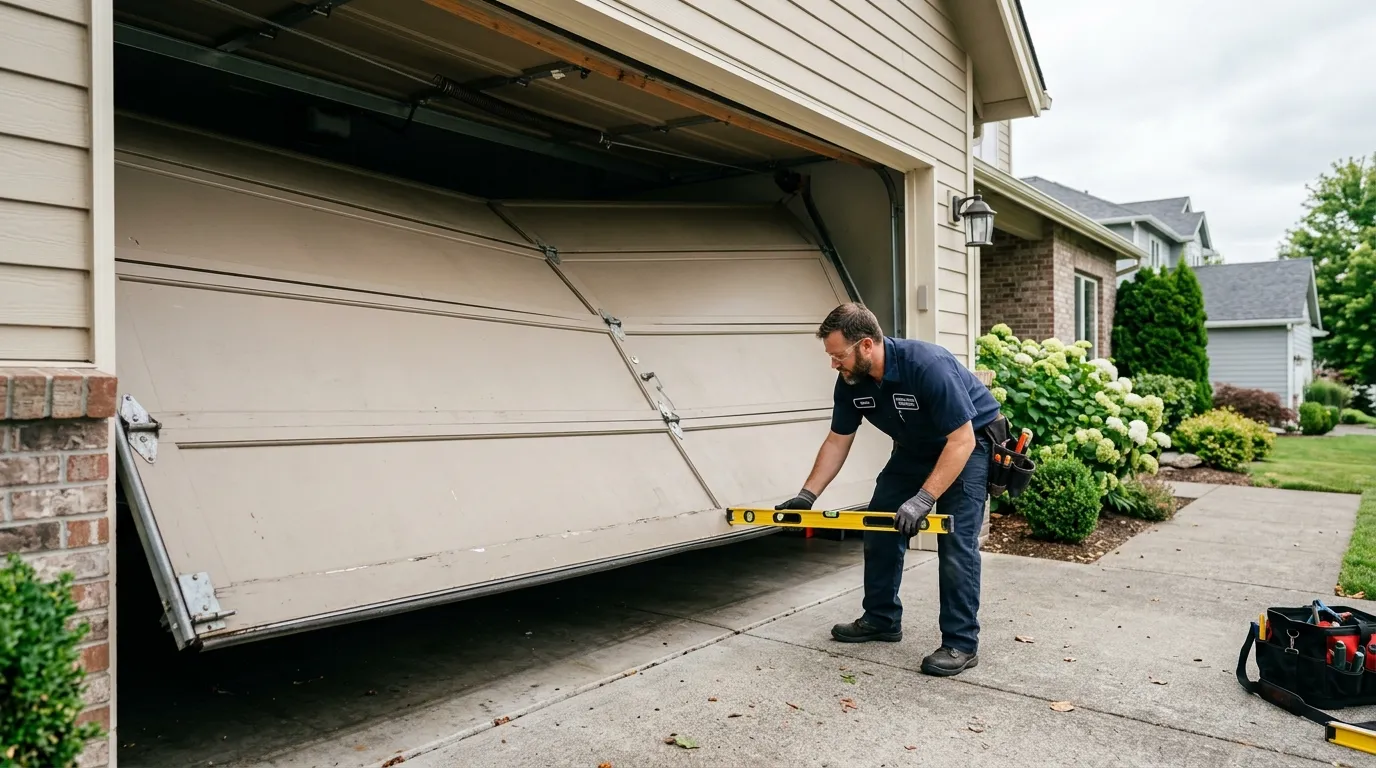
A snapped cable isn't just a noise problem. On a door with two lift cables, when one goes, the door can hang crooked in the track, jam a roller, or drop hard on one side if the other cable follows.

Motor burnout and damage

If your opener keeps trying to run the door on a bad cable, you can burn out the motor or bend the top panel where the cable drum grabs it. Across the houses this crew works on - homes built between 1938 and 2009, with a lot of stock from the 1960s and 70s - the cable setup varies more than people expect.

Mismatched drum cable

Some doors still run older galvanized cable on drums that were never updated when the spring was swapped out. Mixing an old drum with new cable, or a new spring with an old drum, is a common way a "quick fix" turns into a second call.

Patch repair limitations

The honest limitation here: if the drums or the track are worn out along with the cable, replacing just the cable is a short-term patch. We'll tell you when that's the case instead of billing you twice for the same job.

Warning signs

How It Shows Up

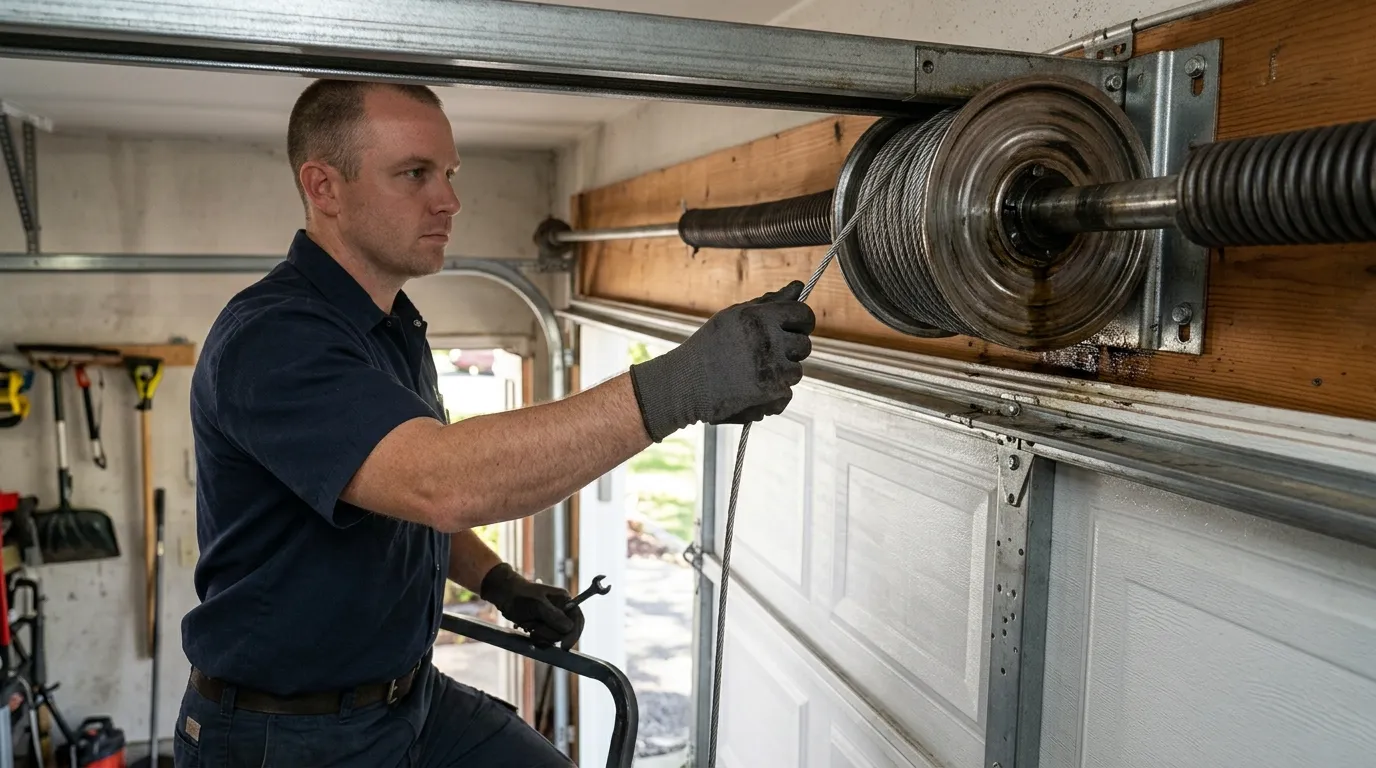
Most cable failures don't announce themselves ahead of time. You'll notice one of a few patterns: the door tips to one side as it opens or closes, there's a sudden loud bang followed by the door refusing to move, or you see frayed strands bunched up near the bottom bracket before the cable actually lets go.

Sometimes it's slower - a door that's started drifting off-track over weeks, scraping one side of the frame, because a cable has been stretching or slipping off its drum a little at a time. On older torsion setups, this often shows up as uneven roller wear on one side of the track before the cable itself gives out.

If the door won't move at all and the opener is straining or clicking, stop hitting the button. A cable under tension that's already partly broken can whip when it finally separates, and it's not something to be near while it happens.

How It Shows Up
Why It Happens Here

Local causes

Why It Happens Here

This area's housing stock matters more for cable wear than most owners realize. With homes dating from 1938 through 2009 and a median build year of 1977, a large share of the doors in this service area are running original or first-replacement hardware from that 1960s-70s wave. Galvanized cable from that era wasn't built for the cycle counts a modern opener puts on it, and it wasn't built for this climate either.

The cold band here is severe, and that's the other half of it. Repeated freeze-thaw swings make the cable's zinc coating crack and the strands underneath rust from the inside, which you can't always see from outside the cable. A cable that looks fine in October can be down to half its strands by February. Garages that aren't insulated - common in houses from this build era - see the widest temperature swings, and that's exactly where we find the most cable failures each winter.

The repair

What the Fix Involves

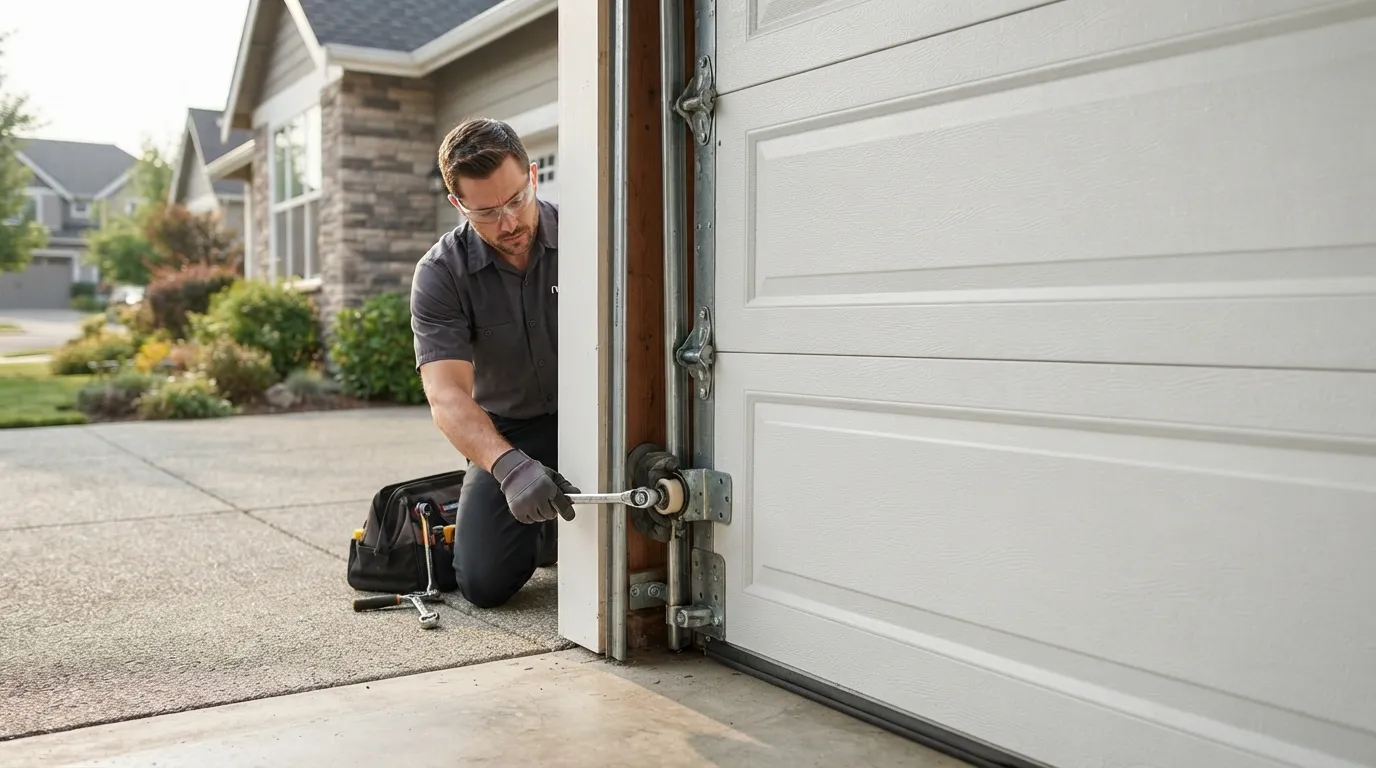
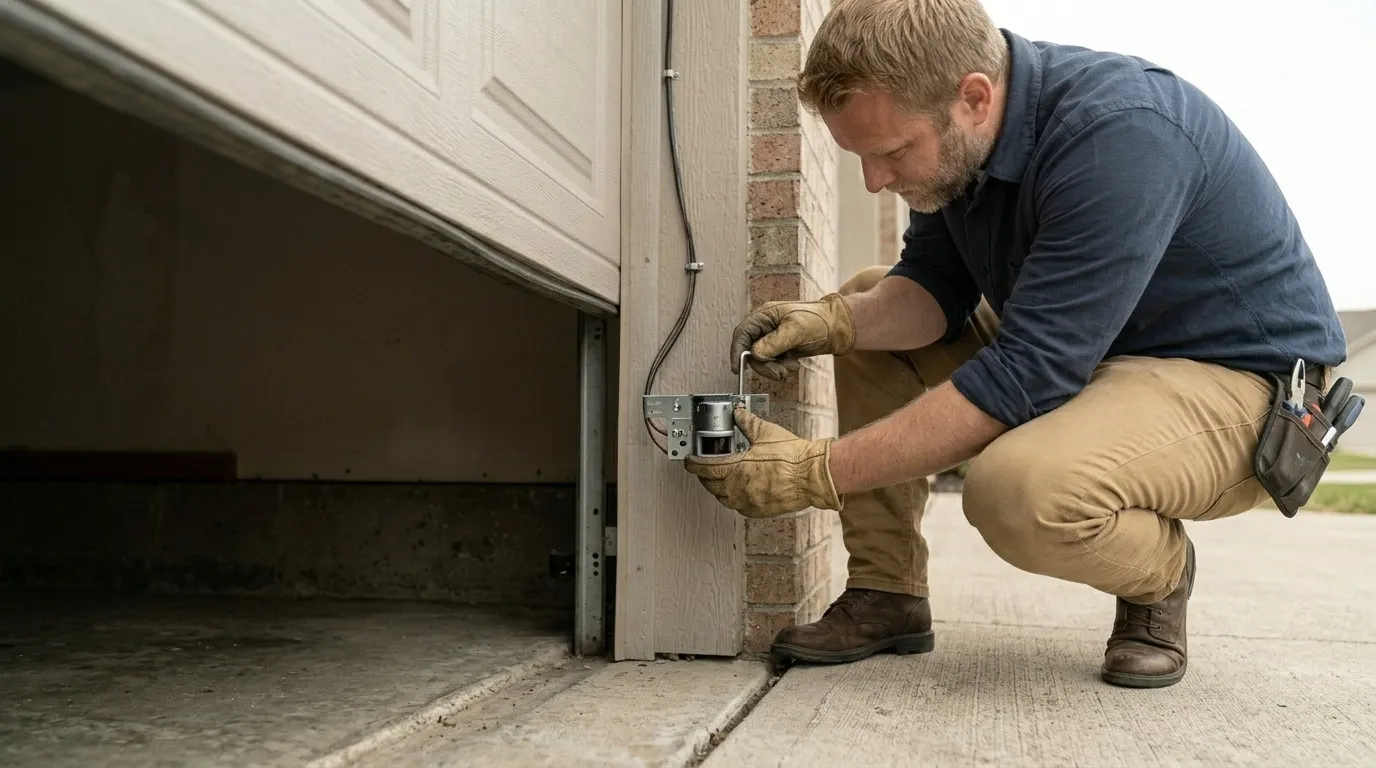
A proper cable repair starts with releasing spring tension safely, since the cable can't be swapped with the spring still loaded. We check the drums, the bottom brackets, and the track alignment at the same time, because a cable rarely fails in isolation on a door this age - if the drum grooves are worn, a new cable will just wear again fast.

  1. Paired cable replacement

    We replace cables in pairs, even if only one has broken. A cable that's stretched or corroded on one side of the door is usually close behind on the other side, and running mismatched cable tension is how doors end up tipping again within months.

  2. Balance verification

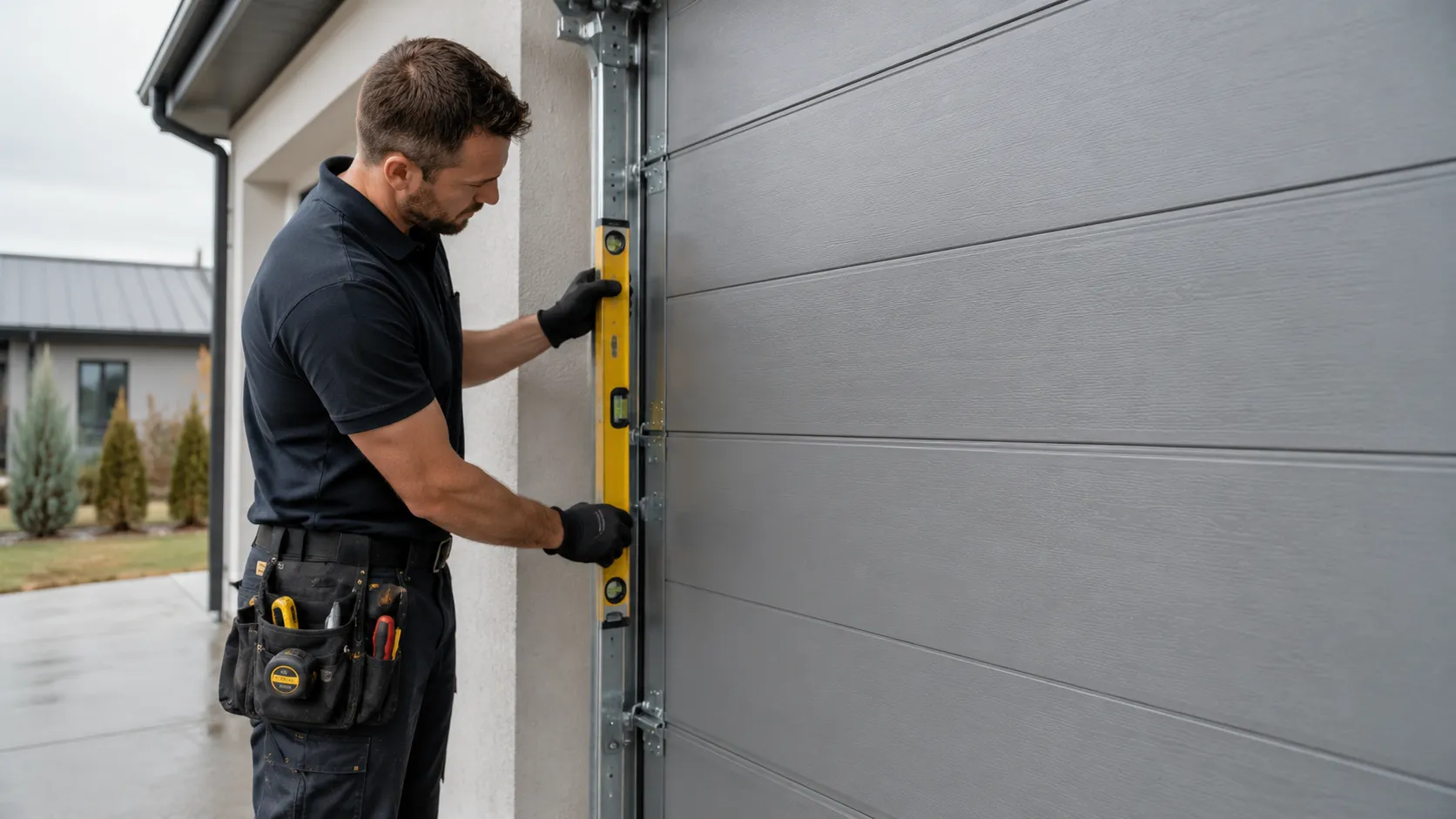
    Once the new cable is set and tensioned, we run the door through a full open-close cycle and check the balance point by hand, not just by opener feel.

  3. Worn hardware assessment

    If the track or rollers are worn beyond what a cable swap can fix, we'll say so rather than send you out the door with a repair that won't hold. This is one job where doing it right the first time costs less than doing it twice.

Questions

Common questions

Can I just replace the one cable that broke?

You can, but it's not what we recommend. On doors from this area's common build era - mostly 1960s-70s stock - the second cable is usually close to the same age and wear level. Replacing both keeps tension even on both sides, which is what keeps the door from tipping again a few months later.

Why did my cable snap in winter and not summer?

Cold is hard on aging galvanized cable. In this climate's severe cold band, repeated freeze-thaw cycles crack the zinc coating and let the steel strands underneath rust from inside, where you can't see it. A cable that looked fine in fall can fail once temperatures drop.

Is it safe to open the door manually if a cable looks frayed?

No. A cable under tension that's partly frayed can separate suddenly, and the door or the remaining cable can whip when it does. Leave the door as it is and call for a repair rather than forcing it open or closed by hand.

Do you work outside Arlington Heights itself?

Yes, this service covers the wider area, including Prospect Heights, Mount Prospect, Wheeling, and other towns within roughly ten miles. Each town has its own page with specifics, but the repair approach and the housing-era issues described here apply across the service area.

Ready when you are

Need a garage door sorted in Arlington Heights?

Arlington Heights Garage Door Pros repairs and installs garage doors, springs and openers in Arlington Heights, IL and the surrounding area.

CallGet a quote